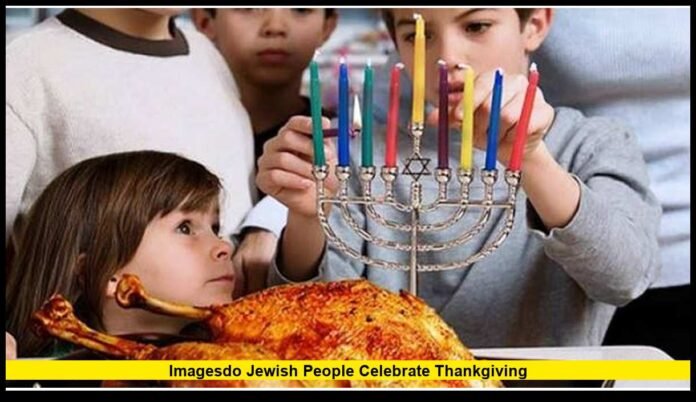

Thanksgiving is a major American holiday built around family gatherings, food, appreciation, and reflection, but its traditions can look different across religious and cultural communities. Many people ask, do Jewish people celebrate Thanksgiving, and whether the holiday has any special religious significance in Judaism. The answer is that many Jewish Americans celebrate Thanksgiving as a secular national holiday, while others approach it differently depending on their religious beliefs, family customs, and personal values.
Thanksgiving is not a Jewish religious festival, and it does not have a place among the traditional Jewish holidays established by the Hebrew calendar. Nevertheless, its central message of gratitude connects naturally with Jewish teachings about appreciating life’s blessings, recognizing kindness, helping others, and expressing thankfulness.
For many Jewish families across the United States, Thanksgiving is an opportunity to enjoy familiar American traditions while remaining connected to their Jewish identity. Families may gather around a dinner table, prepare turkey and side dishes, share stories, invite friends, and reflect on the things that matter most.
Do Jewish People Celebrate Thanksgiving in the United States?
Yes, many Jewish people celebrate Thanksgiving in the United States. Because the holiday is generally considered secular rather than religious, Jewish Americans can participate in it as part of the broader American cultural tradition.
Thanksgiving is celebrated annually on the fourth Thursday of November. It is commonly associated with family reunions, large meals, travel, football, community activities, charitable giving, and expressions of gratitude.
Jewish families who celebrate Thanksgiving may follow traditions similar to those of other American households. Some host a large dinner with extended family, while others prefer a smaller gathering with close friends. Families may travel across the country to spend the holiday together or invite people who might otherwise have nowhere to celebrate.
For many Jewish Americans, Thanksgiving is also a reminder that religious identity and national identity can coexist. A person can observe Jewish traditions throughout the year while participating in American holidays that do not conflict with their religious beliefs.
Thanksgiving does not require Jewish people to adopt another religion’s beliefs or practices. This is one reason many families view it as an enjoyable and appropriate occasion.
Is Thanksgiving a Jewish Religious Holiday?
Thanksgiving is not a Jewish religious holiday. It is a national American celebration rather than an observance established by Jewish religious law.
The Jewish calendar includes several major holidays, including Rosh Hashanah, Yom Kippur, Sukkot, Passover, Shavuot, and Hanukkah. Each has its own history, traditions, religious significance, and customs.
Thanksgiving does not have the same status. There is no requirement in Judaism to celebrate Thanksgiving, attend a religious service for the holiday, prepare a particular meal, or follow a specific Thanksgiving ritual.
Jewish families may choose to celebrate because they appreciate the holiday’s focus on gratitude, family, generosity, and community. Others may decide not to participate for religious, historical, cultural, or personal reasons.
The absence of a religious requirement means Thanksgiving is generally a matter of individual and family choice.
Why Thanksgiving’s Message of Gratitude Resonates With Judaism
One of the strongest connections between Thanksgiving and Jewish traditions is gratitude.
Judaism places considerable importance on recognizing blessings and expressing appreciation. Jewish prayers and customs frequently encourage people to acknowledge the good in their lives, including food, health, relationships, opportunities, and daily experiences.
Gratitude is not limited to major occasions. Traditional Jewish practices include blessings throughout the day, encouraging people to recognize ordinary moments that might otherwise be overlooked.
The concept of hakarat hatov, commonly understood as recognizing or appreciating the good, reflects the importance of acknowledging kindness and positive experiences.
Thanksgiving can therefore be meaningful for Jewish families even though it is not a religious holiday. The day provides an opportunity to pause, reflect on the year, and appreciate the people and experiences that have contributed to their lives.
Some families may discuss their blessings during dinner, while others may encourage children to share what they are thankful for. These practices can help connect the American holiday with values already emphasized in Jewish life.
For many households, the connection is not about making Thanksgiving a Jewish festival. Instead, it is about using a national holiday as an opportunity to practice gratitude.
How Jewish Families Celebrate Thanksgiving
Jewish Thanksgiving celebrations vary widely, but many are similar to celebrations in other American households. The day often revolves around preparing food, welcoming relatives, spending time together, and creating memories.
Some families begin cooking the day before Thanksgiving, especially when they are expecting a large group. Others keep the menu simple and focus on spending time with guests rather than preparing an elaborate meal.
Common Thanksgiving traditions among Jewish families may include:
- Hosting relatives and friends for dinner
- Preparing turkey and traditional Thanksgiving side dishes
- Sharing personal stories and memories
- Watching football or Thanksgiving television programming
- Traveling to visit family members
- Giving food or money to charitable organizations
- Saying blessings before the meal
- Discussing gratitude and important moments from the year
Thanksgiving can also be an opportunity to welcome guests from different backgrounds. Some Jewish families invite friends, neighbors, coworkers, or people who are away from their own families during the holiday.
For families with children, Thanksgiving can be a chance to teach the importance of hospitality, generosity, appreciation, and helping others. These lessons may be incorporated into the holiday through conversations, volunteer activities, or family traditions.
The way each household celebrates is often shaped by its religious observance, cultural background, family history, and personal preferences.
Do Jewish People Eat Turkey on Thanksgiving?
Yes, turkey is a popular Thanksgiving food among Jewish Americans, just as it is among many other American families.
Turkey is generally permitted under kosher dietary laws when it comes from a kosher-certified source and is prepared according to the applicable requirements. Jewish families who do not keep kosher may prepare turkey and other traditional foods without following kosher restrictions.
A traditional Thanksgiving meal in a Jewish household may include:
- Roast turkey
- Mashed potatoes
- Sweet potatoes
- Stuffing
- Cranberry sauce
- Roasted vegetables
- Green beans
- Challah or other bread
- Pumpkin pie
- Apple pie
Some Jewish families add dishes that reflect their own heritage or family recipes. Depending on their backgrounds, Thanksgiving tables may include Ashkenazi, Sephardic, Middle Eastern, Mediterranean, Eastern European, or other culinary traditions.
For example, a family might serve traditional American Thanksgiving foods alongside kugel, challah, roasted vegetables seasoned with family recipes, or other dishes that have been passed down across generations.
The holiday menu is often a reflection of the family’s history rather than a fixed Thanksgiving tradition specific to Judaism.
What Is a Kosher Thanksgiving Dinner?
Jewish families who observe kosher dietary laws can celebrate Thanksgiving, but they may need to plan their menu and food preparation carefully.
Keeping kosher involves specific rules concerning permitted foods, preparation methods, food combinations, and kitchen practices. One of the most widely known requirements is that meat and dairy products are not eaten together.
Because turkey is a meat food, families preparing a kosher Thanksgiving dinner generally avoid serving dairy ingredients alongside the turkey. This may require making adjustments to traditional recipes.
For example, mashed potatoes may be prepared with non-dairy ingredients instead of butter or milk. Stuffing may be made without dairy products, and desserts served after a meat meal may be prepared using ingredients that comply with the family’s kosher standards.
Kosher-observant families may also purchase products bearing reliable kosher certification and ensure that food preparation follows their household’s standards.
These adjustments do not mean a kosher Thanksgiving dinner has to be less traditional. Many families can enjoy turkey, potatoes, vegetables, cranberry sauce, stuffing, and desserts while maintaining their dietary practices.
Do Orthodox Jewish People Celebrate Thanksgiving?
Thanksgiving observance among Orthodox Jewish families varies.
Some Orthodox families celebrate Thanksgiving as a secular American holiday. They may host dinners, gather with relatives, prepare turkey, and use the occasion to express gratitude.
Other Orthodox families may avoid celebrating Thanksgiving as an established annual holiday because of concerns about adopting traditions that are not part of Jewish religious life.
Religious discussions about Thanksgiving have considered whether the holiday is purely civic and cultural or whether celebrating it regularly could be viewed as adopting a non-Jewish religious or customary practice.
Some rabbinic authorities have permitted Thanksgiving meals because the holiday is generally understood to be secular. Other religious opinions have expressed caution about treating Thanksgiving as a recurring holiday.
As a result, practices can differ between Orthodox communities and even between individual families. Some may celebrate fully, some may enjoy a family meal without formally marking the holiday, and others may not observe it at all.
It is therefore inaccurate to assume that every Orthodox Jewish person has the same Thanksgiving tradition.
Do Reform and Conservative Jewish Families Celebrate Thanksgiving?
Many Reform and Conservative Jewish families celebrate Thanksgiving, although individual practices vary.
Thanksgiving is generally viewed as a cultural and civic holiday rather than a religious event. For many Jewish Americans, this makes it an opportunity to participate in American traditions while continuing to observe Jewish religious practices.
Some families may incorporate Jewish blessings into their dinner. Others may keep the celebration entirely secular, focusing on food, family, and gratitude.
Jewish families who identify as culturally Jewish or secular may also celebrate Thanksgiving without connecting the day to religious observance.
The holiday is often particularly important for families with relatives living in different parts of the country. Thanksgiving can provide a convenient opportunity for reunions, family traditions, and reconnecting with loved ones.
There is no universal rule requiring every Jewish family to celebrate Thanksgiving or prohibiting them from doing so.
Can Jewish Families Say Prayers on Thanksgiving?
There is no specific Jewish prayer required for Thanksgiving. However, families who celebrate may incorporate traditional blessings or personal expressions of gratitude into their meal.
For example, some families may recite Hamotzi, the traditional blessing over bread, before eating. Depending on the foods consumed and their religious practices, they may also say traditional blessings after the meal.
Other families may take a few moments for everyone at the table to share something they appreciate. These conversations can be especially meaningful for children, helping them understand that Thanksgiving is not only about eating but also about recognizing the positive things in their lives.
A Thanksgiving gathering might include gratitude for:
- Family members and friendships
- Health and personal well-being
- Educational and professional opportunities
- Freedom and safety
- Community support
- Personal achievements
- Food, shelter, and everyday necessities
- The opportunity to help people in need
Some families may offer a personal prayer, while others may simply express appreciation in their own words. Thanksgiving does not require a particular religious ceremony, allowing households to create traditions that reflect their values.
Thanksgiving and Jewish-American Identity
Thanksgiving is also significant for many Jewish Americans because it offers an opportunity to celebrate their American identity while maintaining their Jewish heritage.
Jewish communities have been part of American society for generations. Many Jewish Americans participate in national holidays, cultural traditions, community events, and civic activities while also observing religious customs and celebrating Jewish holidays.
For some families, Thanksgiving represents appreciation for the opportunities and freedoms they have experienced in the United States. It may also be a time to reflect on the experiences of previous generations, including relatives who immigrated to America in search of safety, opportunity, education, or a better life.
Family discussions may include stories about immigration, cultural traditions, the challenges faced by ancestors, and the importance of preserving family history.
Thanksgiving can therefore serve as a bridge between generations. Grandparents may share memories of earlier celebrations, parents may introduce traditional recipes, and younger family members may develop their own holiday customs.
These experiences can help strengthen both family connections and cultural identity.
Is Thanksgiving Similar to Sukkot?
Some people compare Thanksgiving with Sukkot, a Jewish festival celebrated during the fall season.
Sukkot is a major Jewish holiday associated with the harvest, gratitude, and the historical experience of the Israelites in the wilderness. It includes traditions such as building and spending time in a sukkah, a temporary outdoor structure, and celebrating the agricultural season.
Thanksgiving also has historical associations with harvest celebrations and gratitude for food and abundance.
Because both occasions occur during the fall season and include themes of appreciation, some people see similarities between them. However, Thanksgiving is not part of the Jewish religious calendar, and it is not considered a Jewish festival.
The comparison is generally cultural rather than religious. Sukkot has specific religious obligations and traditions rooted in Jewish history and scripture, while Thanksgiving is an American national holiday.
Jewish families may celebrate both holidays, each for its own reasons and significance.
Do Jewish People Celebrate Thanksgiving in Israel?
Thanksgiving is not an official holiday in Israel, and it is not widely celebrated by the general population.
Jewish Americans who move to Israel may continue celebrating Thanksgiving because of their American background, family traditions, or personal attachment to the holiday.
Some American expatriates and international communities may organize Thanksgiving dinners, gatherings, or special meals. Families may also celebrate privately when relatives visit from the United States.
However, Thanksgiving does not typically affect Israel’s national work schedule, schools, or public calendar. Most people continue their normal activities because the holiday is primarily associated with the United States.
Jewish people living in other countries may also celebrate Thanksgiving if they have American connections, although the extent of participation depends on their location and family traditions.
Why Some Jewish People Do Not Celebrate Thanksgiving
Although Thanksgiving is popular among many Jewish Americans, not everyone celebrates it.
Some families prefer to focus on Jewish holidays and avoid adopting additional annual celebrations that are not part of Jewish religious tradition. Others may have personal reasons for not observing Thanksgiving.
Historical perspectives can also influence people’s decisions. Some individuals prefer to acknowledge the complicated history surrounding Thanksgiving, including the experiences and treatment of Indigenous peoples.
Others may simply view Thanksgiving as an ordinary day or choose to spend the long weekend differently.
Not celebrating Thanksgiving does not necessarily mean someone is opposed to gratitude, family gatherings, or American culture. It may reflect religious interpretation, personal preference, historical awareness, or a family’s own traditions.
Jewish communities are diverse, and their approach to Thanksgiving reflects that diversity.
Why the Thanksgiving Question Matters to Jewish Families
The question do jewish people celebrate thanksgiving reflects a broader curiosity about how religious communities participate in national traditions while maintaining their own beliefs and customs.
Jewish Americans are not a single group with identical religious practices or cultural experiences. Some families are deeply religious, others are culturally Jewish, and many fall somewhere between those descriptions. Their Thanksgiving traditions may therefore differ considerably.
For some, the holiday is a large family gathering with traditional foods and familiar activities. For others, it is a quieter day spent with close friends. Some may incorporate blessings, charitable giving, or conversations about gratitude, while others simply enjoy the holiday as part of American life.
The most important point is that Thanksgiving is generally considered a secular American holiday. Jewish people who celebrate it do not need to treat it as a Jewish religious festival. They can participate in the holiday while continuing to observe their Jewish traditions and beliefs.
Frequently Asked Questions
Do Jewish people celebrate Thanksgiving every year?
Many Jewish Americans celebrate Thanksgiving every year, while others participate occasionally or do not celebrate it. Family customs, religious beliefs, and personal preferences influence whether Thanksgiving becomes an annual tradition.
Is Thanksgiving forbidden in Judaism?
Thanksgiving is not universally considered forbidden in Judaism. Some religious authorities permit celebrating it as a secular civic holiday, while others express reservations about establishing it as a recurring annual celebration. Practices differ among communities and families.
Can Jewish people eat turkey on Thanksgiving?
Yes. Turkey is generally permitted under kosher dietary laws when it is appropriately certified and prepared according to kosher requirements. Jewish families who do not keep kosher may prepare turkey according to their own preferences.
Do Jewish families celebrate Thanksgiving with non-Jewish people?
Yes. Many Jewish families attend Thanksgiving gatherings hosted by non-Jewish friends or invite people from different backgrounds into their homes. Thanksgiving is commonly viewed as an inclusive American holiday centered on food, family, and gratitude.
Do Jewish people have their own Thanksgiving holiday?
Judaism has holidays and traditions that emphasize gratitude, including Sukkot and daily prayers and blessings. However, Thanksgiving itself is an American holiday rather than a Jewish religious festival.
Do Jewish people celebrate Thanksgiving in 2026?
Many Jewish Americans are expected to celebrate Thanksgiving in 2026, as the holiday falls on Thursday, November 26. Families may gather for dinner, travel, participate in charitable activities, or enjoy the holiday weekend according to their own traditions.
Final Thoughts
Thanksgiving is widely celebrated by Jewish Americans, although it is not a Jewish religious holiday. For many families, it offers a meaningful opportunity to gather with loved ones, enjoy traditional foods, reflect on life’s blessings, and express gratitude.
Jewish traditions place considerable importance on appreciating the good, recognizing kindness, and helping others. These values make Thanksgiving meaningful for many Jewish families, even though the holiday is rooted in American culture rather than Judaism.
Ultimately, Jewish Thanksgiving traditions vary from family to family. Some celebrate enthusiastically, others observe the day quietly, and some choose not to participate. All of these approaches reflect the diversity of Jewish life in the United States.
Do you have a Thanksgiving tradition that brings your family together? Share your thoughts in the comments and stay tuned for more stories about American culture, traditions, and celebrations.