
As homeowners become more aware of the air they breathe indoors, one unusual phrase is gaining attention: what is house burping. The term may sound playful, but it describes a serious and increasingly popular method of refreshing indoor air, controlling moisture, and improving overall home comfort using a simple, time-tested approach.
House burping is not a product, a machine, or a renovation trend. It is a deliberate ventilation practice that involves opening windows for short, controlled periods to replace stale indoor air with fresh outdoor air. This method is now being adopted in many U.S. homes as people search for natural ways to maintain healthier living environments, especially during colder months when houses stay tightly sealed.
What Is House Burping in Simple Terms
House burping means briefly opening windows — usually for 5 to 15 minutes — once or several times a day to allow a complete exchange of indoor and outdoor air. The goal is to release trapped humidity, odors, and indoor pollutants while bringing in fresh oxygen-rich air.
Unlike leaving windows cracked all day, which can waste energy, house burping focuses on short, efficient air changes. The quick burst of ventilation refreshes the air without significantly lowering indoor temperatures, even in winter.
This practice has existed for decades in parts of Europe, where daily window ventilation is considered basic home hygiene. The term “house burping” has recently become popular in the U.S. because it vividly describes the idea of letting a building “exhale” the way the human body does.
Why American Homes Are Adopting House Burping
Modern houses are built to be more airtight than ever before. Advanced insulation, sealed windows, and energy-efficient construction help reduce heating and cooling costs, but they also trap indoor air.
Inside a closed home, the air can slowly accumulate:
- Carbon dioxide from breathing
- Water vapor from cooking and showers
- Odors from pets and food
- Chemical vapors from furniture, paints, and cleaners
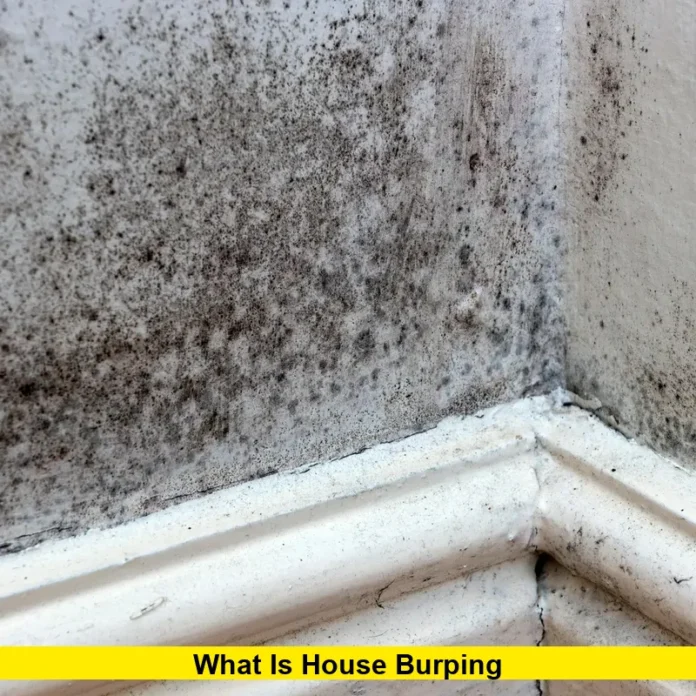
Without regular air exchange, this mixture can make rooms feel stuffy and humid. Over time, excess moisture may also contribute to condensation on windows and the growth of mold in hidden areas.
House burping offers a simple way to counter these issues using natural airflow instead of relying only on mechanical systems.
How House Burping Works
When windows are opened wide for a short period, pressure differences between indoor and outdoor air cause a rapid exchange. Warm, stale air escapes, and cooler, denser air flows in. This process:
- Lowers indoor humidity
- Dilutes airborne pollutants
- Replenishes oxygen levels
- Removes lingering odors
Creating a cross-breeze by opening windows on opposite sides of the home speeds up this process and allows a full air change in just a few minutes.
Best Times to Burp Your House
Many homeowners find the following moments most effective:
Morning Ventilation
Opening windows after waking up clears out air that accumulated overnight and replaces it with fresh air to start the day.
After Cooking
Steam, grease particles, and odors linger in kitchens. A short ventilation burst helps remove them quickly.
After Showers
Bathrooms are major moisture sources. Releasing humid air helps prevent condensation and mold formation.
Before Bedtime
Some people prefer sleeping in freshly ventilated rooms, especially during mild weather.
Benefits of Regular House Burping
Improved Indoor Air Quality
Indoor air can contain higher concentrations of pollutants than outdoor air, particularly in sealed buildings. Short ventilation cycles reduce the buildup of carbon dioxide and volatile organic compounds, making the air feel cleaner and easier to breathe.
Better Moisture Control
Moisture from daily activities accumulates in walls, ceilings, and windows. Lowering humidity through ventilation helps protect building materials and reduces the conditions mold needs to grow.
Odor Reduction
Fresh air exchange quickly removes cooking smells, pet odors, and stale air without relying on air fresheners or chemicals.
Enhanced Comfort
Well-ventilated homes often feel more comfortable and less “heavy,” even when temperatures remain the same.
House Burping in Winter: Does It Really Work?
Many people hesitate to open windows during cold weather. However, house burping is designed to be brief. Opening windows fully for a short time allows air to change without cooling walls, floors, and furniture significantly. Once the windows are closed, indoor temperatures recover quickly.
This approach is often more energy-efficient than keeping windows slightly open for long periods.
How Often Should You Burp Your Home?
There is no single rule for every house, but many homeowners follow these general guidelines:
- Once in the morning
- Once in the evening
- After high-moisture activities
Even two short ventilation sessions per day can noticeably improve indoor air freshness.
Rooms That Benefit the Most
Bedrooms
Carbon dioxide levels rise during sleep. Morning ventilation refreshes the air and reduces overnight humidity.
Bathrooms
Quick air exchange after showers limits moisture buildup.
Kitchens
Ventilating after cooking helps remove heat, steam, and lingering smells.
Living Areas
Regular fresh air improves comfort in rooms where people spend most of their time.
House Burping vs. Mechanical Ventilation
Modern HVAC systems circulate air but do not always replace it with fresh outdoor air unless designed for that purpose. House burping adds natural ventilation without equipment or energy consumption.
In homes with heat recovery ventilators or energy recovery ventilators, house burping can still be useful during mild weather as an additional air-refreshing method.
Common Mistakes to Avoid
- Leaving windows open too long in extreme cold or heat
- Ventilating during periods of poor outdoor air quality
- Forgetting high-humidity rooms like bathrooms and laundry areas
- Relying on small window cracks instead of full, short openings
Why the Term “House Burping” Resonates
The phrase captures the idea of a building releasing what it no longer needs and taking in what it does. Just as the body benefits from breathing deeply, a home benefits from periodic air exchange. The term’s simplicity and humor have helped the concept spread quickly across social platforms and lifestyle discussions.
The Growing Role of Natural Ventilation in Healthy Homes
As awareness of indoor environmental quality grows, more homeowners are paying attention to airflow, humidity, and freshness. House burping fits naturally into this movement because it requires no special equipment, no cost, and very little time.
It is a reminder that sometimes, the most effective solutions are also the simplest.
Have you tried house burping in your home, and did you notice a difference in comfort or air freshness? Join the conversation and stay tuned for more practical home insights.