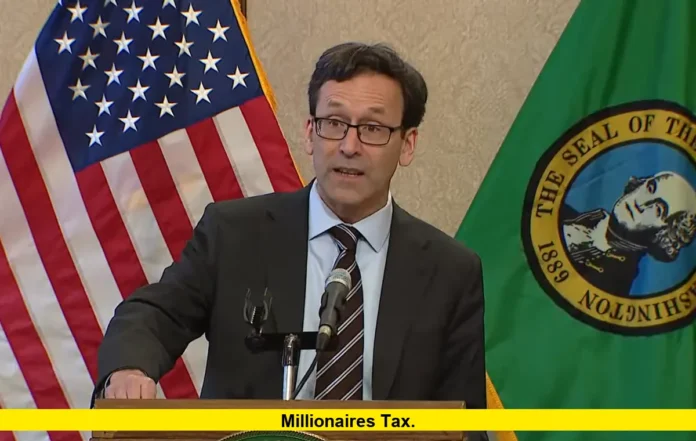

Washington state is moving closer to a historic shift in its tax structure as lawmakers advance a proposal often called the millionaires tax. The plan would impose a new tax on the state’s highest earners, and Governor Bob Ferguson has indicated he is prepared to sign the legislation if it reaches his desk.
The proposal has already cleared a major hurdle in the Washington State Senate, where lawmakers voted 27–22 to approve the measure. If enacted, it would place a 9.9% tax on annual personal income above $1 million, affecting only a small share of the state’s wealthiest residents.
Washington has long been known as one of the few states without a personal income tax. The latest debate over a tax on million-dollar earners is therefore drawing strong attention across the state and nationally.
If you want more updates on major Washington policy changes and how they affect residents, keep reading as we break down what the proposal means and what happens next.
Why Washington Lawmakers Are Pushing the Plan
Supporters say the proposal aims to address what many policymakers describe as an uneven tax structure. Washington relies heavily on sales taxes and property taxes, which tend to take a larger share of income from lower-income households.
By contrast, high-income households often pay a smaller percentage of their earnings toward state taxes. Lawmakers backing the plan argue that adding a tax on income above $1 million would help balance the system.
Advocates say the measure could generate billions in state revenue over time. Much of that money would go into the state’s general fund, helping finance essential services such as education, infrastructure, and other public programs.
Governor Ferguson has also emphasized that a portion of the revenue should be returned to residents through tax relief measures, particularly for working families and small businesses.
How the Proposed Tax Would Work
Under the legislation currently under consideration, the tax would apply only to income exceeding $1 million per year.
For example:
- A household earning $1.2 million would pay the tax only on the $200,000 above the threshold.
- Earnings below $1 million would not be affected.
The proposal also focuses specifically on annual income, not a person’s total wealth or assets. The value of someone’s home, retirement savings, or similar holdings would not count toward the threshold.
Supporters say the design ensures the tax targets only the wealthiest residents. State leaders estimate fewer than one-half of one percent of Washington residents would fall into this category.
A Major Shift for a No-Income-Tax State
Washington has historically resisted income taxes. Voters have rejected statewide income tax proposals several times over the past century.
Because of this history, the current debate represents a major policy moment for the state.
Washington lawmakers have already taken steps toward taxing certain forms of wealth in recent years. In 2021, the state enacted a capital gains tax on high-value investment profits, with revenue largely dedicated to education programs.
The proposed tax on million-dollar earners would go further by applying directly to personal income above a specific threshold.
Supporters believe the change would modernize the state’s tax system and help reduce reliance on consumption-based taxes.
What Governor Ferguson Has Said
Governor Bob Ferguson has repeatedly voiced support for the concept of taxing very high incomes.
He has said any version he signs must ensure that a meaningful share of the revenue benefits residents broadly. His approach focuses on returning funds to Washingtonians through measures that improve affordability.
These ideas include expanding the state’s Working Families Tax Credit, reducing certain taxes for small businesses, and lowering costs on everyday necessities.
Ferguson has also stressed that the proposal targets only the state’s highest earners and should not affect the vast majority of residents.
Criticism and Concerns
The proposal has also sparked strong opposition.
Critics argue the tax could discourage entrepreneurs, investors, and high-earning professionals from living in Washington. Some business groups warn that individuals with significant income may relocate to nearby states with lower tax burdens.
Others raise concerns about potential legal challenges. Washington’s constitution has historically limited graduated income taxes, and opponents say the measure could face court scrutiny if enacted.
Republican lawmakers have also warned that introducing a tax on millionaires could open the door to broader income taxes in the future.
Despite those concerns, Democratic lawmakers say the measure is narrowly designed and would only apply to extremely high incomes.
What Happens Next
The proposal now faces continued debate in the Washington State House. Lawmakers will examine potential amendments and decide whether to move the bill forward before the legislative session concludes.
If the House passes the measure, it would head to Governor Ferguson’s desk for final approval.
Should the governor sign the bill, Washington could soon join a growing list of states exploring taxes on very high incomes as part of broader fiscal reforms.
The debate will likely remain one of the most closely watched policy discussions in the state this year.
What the Debate Means for Washington Residents
Even though the plan targets only the highest earners, its implications extend beyond those directly affected.
The outcome could reshape how Washington funds public services and balances its tax system in the years ahead. It may also influence similar discussions in other states considering taxes on top earners.
For now, the proposal remains under legislative review, but momentum behind the idea has clearly grown in Olympia.
If you want to follow how the millionaires tax debate unfolds and what it could mean for Washington’s economy, keep checking back for the latest updates and share your thoughts below.
Stay tuned and share your perspective in the comments as Washington’s tax debate continues to unfold.