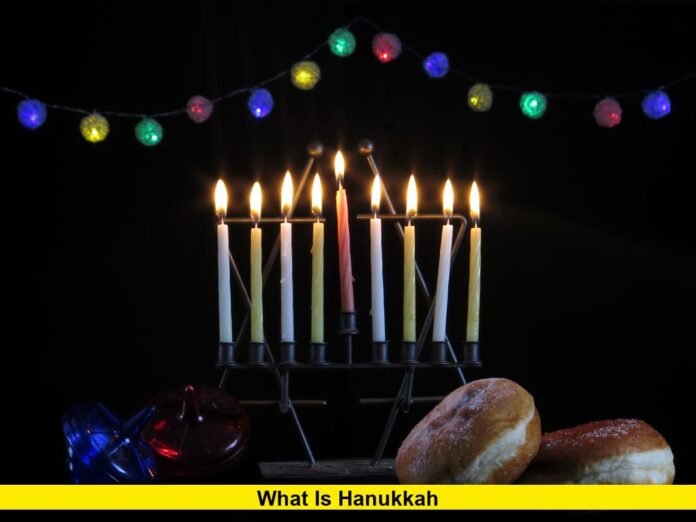

Hanukkah is a cherished Jewish holiday celebrated each winter, known widely as the Festival of Lights. At its heart, what is Hanukkah? It is an eight-day observance that honors faith, perseverance, and the enduring power of light over darkness. In 2025, Hanukkah begins at sundown on December 14 and concludes at nightfall on December 22, bringing families and communities together during one of the most meaningful times of the year.
Observed by Jewish communities across the United States and around the world, Hanukkah blends history, tradition, and joyful celebration. While it is not the most solemn holiday on the Jewish calendar, it carries deep spiritual and cultural significance that continues to resonate today.
The Historical Meaning of Hanukkah
Hanukkah commemorates events that took place more than 2,000 years ago in ancient Judea. During this period, Jewish religious practices were suppressed, and the Holy Temple in Jerusalem was desecrated. A small group of Jewish fighters, known as the Maccabees, led a successful revolt and reclaimed the Temple.
When the Temple was rededicated, tradition holds that only a small amount of sacred oil was available to light the menorah. That oil was expected to last just one night, but it burned for eight nights instead. This miracle became the foundation of Hanukkah and is the reason the holiday is observed for eight days.
What Is Hanukkah Celebrated With? Core Traditions
Hanukkah is marked by meaningful rituals that are practiced in homes, synagogues, and public spaces.
Lighting the Menorah
The most recognizable symbol of Hanukkah is the menorah, also called a hanukkiah. It holds nine candles: one for each night of the holiday, plus a helper candle known as the shamash. Each evening, one additional candle is lit, symbolizing growing light and hope. Families often place the menorah in a window or doorway to share the message of Hanukkah with the wider world.
Blessings and Songs
Candle lighting is accompanied by traditional blessings and songs. These prayers express gratitude for miracles, survival, and freedom. Singing together after lighting the candles strengthens family bonds and reinforces the spiritual meaning of the holiday.
Traditional Hanukkah Foods
Food plays an important role in Hanukkah celebrations. Because the holiday centers on the miracle of oil, many traditional dishes are fried. Potato pancakes known as latkes are a staple in many American Jewish homes, often served with applesauce or sour cream. Jelly-filled doughnuts are another popular treat, especially among children.
Games and Family Customs
Hanukkah is also a time of fun and togetherness. Families often play a traditional spinning-top game using a dreidel, which features Hebrew letters tied to the holiday’s story. Gift-giving has become common in the United States, with many families exchanging small presents or giving chocolate coins, known as gelt, especially to children.
Hanukkah in the United States Today
In the U.S., Hanukkah has grown into a widely recognized holiday, celebrated both privately and publicly. Cities and towns host public menorah lightings that welcome people of all backgrounds. These gatherings often include music, food, and educational activities, reflecting the holiday’s inclusive spirit.
For many American families, Hanukkah is also a time to navigate overlapping winter celebrations. It often coincides with Christmas and other seasonal observances, creating opportunities for interfaith families to honor multiple traditions together. This cultural proximity has helped make Hanukkah more visible in American society while preserving its religious roots.
The Deeper Message of the Festival of Lights
Beyond its rituals and celebrations, Hanukkah carries a powerful message that continues to feel relevant. The holiday emphasizes standing firm in one’s beliefs, protecting religious freedom, and finding hope during dark times. Lighting the menorah night after night serves as a reminder that even a small light can grow and make a lasting impact.
In recent years, Hanukkah has also taken on added meaning as Jewish communities emphasize unity, safety, and resilience. Public celebrations often highlight not just joy, but solidarity and pride in cultural identity.
Why Hanukkah Still Matters
So, what is Hanukkah in the modern world? It is both a remembrance of ancient history and a living tradition that adapts to contemporary life. It brings families together around shared rituals, connects generations through storytelling, and offers a universal message about courage and hope.
As Hanukkah 2025 unfolds, millions of candles will be lit across the country, each one representing faith, endurance, and the promise of brighter days ahead.
What traditions make Hanukkah meaningful in your home? Join the conversation and stay connected as the Festival of Lights continues to glow.