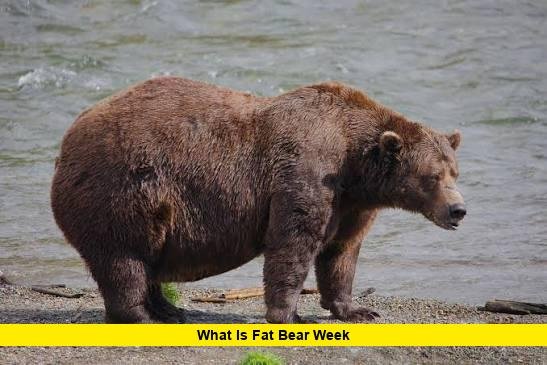

What is Fat Bear Week? It is an annual online competition celebrating the brown bears of Katmai National Park and Preserve in Alaska as they build the fat reserves needed to survive winter. People around the world vote in a single-elimination tournament to decide which bear best represents a successful season of feeding, growth and preparation for winter.
The event returns in 2026 from September 22 through September 29. Voting takes place online, while live bear cameras let viewers watch the animals along the Brooks River in Katmai. The 2026 competition is especially notable because park officials have reported seeing more bear cubs at Brooks Camp than in a long time.
Fat Bear Week may look like a lighthearted wildlife contest, but it also provides an easy way to understand brown bear biology, salmon ecosystems and the importance of healthy wilderness.
What Is Fat Bear Week and How Does It Work?
Fat Bear Week is a bracket-style wildlife competition centered on brown bears living around Brooks River in Katmai National Park. The public compares the participating bears and votes in head-to-head matchups.
The bear receiving the most votes in each matchup advances. The process continues until only two bears remain for the final competition. The winner becomes the Fat Bear Week champion.
The contest does not involve bears competing against each other. The animals have no role in the voting process. Instead, people compare photographs, learn about the bears’ individual histories and decide which bear they believe had the most successful preparation for winter.
The competition traditionally highlights the dramatic physical changes bears undergo between spring and fall. A bear that looks relatively lean after emerging from its den can appear dramatically larger by late summer after months of feeding.
For 2026, the official competition includes 16 adult brown bears and family groups, creating a larger field than many previous editions.
Why Do Bears Get So Fat Before Winter?
The answer is survival.
Brown bears at Katmai spend much of the warmer months taking advantage of abundant food. Salmon are particularly important because they provide a rich source of calories and nutrients during the period when bears need to build substantial energy reserves.
As winter approaches, bears prepare for months in their dens. During this period, they do not maintain normal feeding and drinking routines. Their bodies depend heavily on the energy stored during the months before denning.
That makes late summer and early fall an extremely important period.
The bears’ increased appetite is part of a natural process called hyperphagia. During this period, bears can spend long periods searching for and consuming food. Their goal is not simply to become large. They need enough stored energy to help them survive the coming winter.
Fat Bear Week turns that biological process into something people can observe and understand.
Why Are Salmon So Important to Fat Bear Week?
Salmon are central to the story because Katmai provides bears with access to one of the world’s remarkable wild salmon ecosystems.
At Brooks River, bears gather during the salmon runs and take advantage of fish moving through the river. The availability of this food helps explain why Katmai can support such large and healthy brown bears.
The relationship connects several parts of the ecosystem. Salmon support bears, while the river and surrounding wilderness provide the habitat that allows the entire system to function.
That is why Fat Bear Week is about more than body size. A successful fat bear represents an animal that found enough food and navigated the challenges of a demanding summer.
The competition therefore gives viewers a visual introduction to the connection between wildlife and habitat. Healthy bears depend on healthy ecosystems, and abundant food is essential to their annual preparation for winter.
How Did Fat Bear Week Start?
Fat Bear Week began in 2014, but it was originally much smaller.
The first event was called Fat Bear Tuesday. Former Katmai National Park ranger Mike Fitz and other park staff developed the idea after seeing how dramatically individual bears changed during the summer.
The original event used before-and-after photographs and asked people to vote for the bear they considered the fattest. Voting took place through Katmai’s Facebook page.
The response was strong enough that organizers expanded the concept.
In 2015, the event became Fat Bear Week, turning the one-day contest into a larger tournament. Over time, the combination of bear webcams, social media and online voting introduced Katmai’s bears to a much larger audience.
What began as a small social-media experiment eventually became an international wildlife event.
Why Is Fat Bear Week So Popular?
Part of the appeal comes from the bears themselves. Their physical transformations are easy to see, and viewers can often recognize individual animals from year to year.
The live cameras add another layer. People do not have to travel to remote Alaska to see bears fishing, resting, interacting and moving through the river environment.
Viewers can also follow individual bears and learn about their personalities, family relationships, age and survival challenges.
The tournament format makes the event easy to follow. Instead of simply watching wildlife footage, participants have a reason to return and see which bear advances.
Its popularity has grown dramatically since 2014. During the 2025 competition, more than 1.7 million votes were cast by people from more than 100 countries.
That international audience has helped turn Katmai’s seasonal bear activity into a recurring online event.
What Is New About Fat Bear Week 2026?
Fat Bear Week 2026 begins September 22 and concludes with the championship on September 29.
The bracket was revealed on September 18, giving viewers an opportunity to learn about the participating bears before voting began.
This year’s competition includes 16 adult bears and family groups. Several mother bears are represented alongside their cubs, giving voters a chance to consider more than simple body size.
Another notable change is the way younger bears are represented. In previous years, Fat Bear Junior operated as a separate competition for cubs. In 2026, young bears are included with family groups within the main competition rather than competing in a separate Fat Bear Junior bracket.
The change places greater emphasis on family groups and the different ways bears succeed in the wild.
Park officials have also highlighted the unusually high number of cubs seen around Brooks Camp this year. The presence of many young bears provides another reminder that Fat Bear Week is connected to a living ecosystem rather than simply an internet popularity contest.
Who Won Fat Bear Week in 2025?
Bear 32, known as Chunk, won Fat Bear Week in 2025.
The victory made Chunk the reigning champion heading into the 2026 competition. His return has added an extra storyline to this year’s tournament because voters can compare the defending champion with the new field of contenders.
The National Park Service’s historical records list Chunk as the 2025 champion. Previous winners include well-known Katmai bears such as Grazer, 747, Holly, Beadnose and Otis.
Fat Bear Week has therefore developed its own history of returning animals and memorable champions.
However, previous success does not automatically determine the next winner. Each year’s contest focuses on what the bears accomplished during the current season.
When Is Fat Bear Week 2026?
Fat Bear Week 2026 runs from September 22 through September 29.
Voting is available during designated daily voting periods. The official schedule lists voting from noon to 9 p.m. Eastern time, which is 9 a.m. to 6 p.m. Pacific time.
There are no voting rounds scheduled for September 26 and September 27. The final matchup takes place on September 29, also known as Fat Bear Tuesday.
The 2026 champion will be determined after the final head-to-head matchup.
As of September 21, the 2026 competition has not yet produced a champion.
How Can People Participate in Fat Bear Week?
People can participate online by following the official Fat Bear Week competition and voting during the designated voting periods.
The voting process is straightforward. Participants view the competing bears, consider their seasonal transformations and life histories, and select one bear in each matchup.
The official competition also provides information about the individual contestants. That information can help viewers understand why a bear’s success involves more than simply appearing large.
People can also watch live bear cameras throughout the season. The cameras offer a way to see the animals in their natural environment and understand the setting behind the annual competition.
For many viewers, following the live cams is just as interesting as voting because it provides a window into the daily lives of wild brown bears.
Is Fat Bear Week Actually About Which Bear Is the Fattest?
Weight is an important part of the competition, but Fat Bear Week is not a scientific measurement contest.
The official competition describes the goal in terms of fatness and success. Voters can consider a bear’s physical transformation, its ability to find food and the challenges it overcame during the season.
A mother bear, for example, faces different demands from a large adult male. Mothers must obtain enough food for themselves while caring for cubs. Younger bears face their own challenges as they develop the skills needed to survive.
That makes the competition more nuanced than simply identifying the largest animal in a photograph.
The photographs provide an obvious visual comparison, but the stories behind the bears help explain why each contestant is interesting.
Why Fat Bear Week Matters for Conservation
Fat Bear Week gives people a memorable way to learn about wildlife conservation.
Katmai is remote, and most Americans will never see its bears in person. Online cameras and the annual competition make the park accessible to a global audience without requiring visitors to travel into bear habitat.
The event also draws attention to the connection between bears, salmon and their environment.
A bear cannot become a successful fat bear without access to sufficient food and suitable habitat. That makes the health of the surrounding ecosystem an essential part of the story.
The competition’s popularity also gives conservation organizations an opportunity to discuss Katmai’s wildlife, habitat and management efforts with people who might otherwise never encounter information about the park.
In that sense, the appeal of Fat Bear Week extends beyond entertainment. It provides a simple entry point into understanding how wildlife depends on functioning ecosystems.
What Makes Fat Bear Week Different From Other Wildlife Events?
The unusual combination of science, live video and public voting gives Fat Bear Week its distinctive character.
People are not merely watching a documentary about brown bears. They can observe the animals through live cameras, learn their individual stories and participate in a tournament at the same time.
The timing also matters. Fat Bear Week arrives when the bears have completed months of feeding and are approaching their winter preparation period.
The animals’ size is therefore a visible result of a biological process that has been happening throughout the summer.
For viewers, the contest turns that process into a story that unfolds from one matchup to the next.
The Meaning Behind Fat Bear Week
At its simplest, Fat Bear Week is an online contest where people vote for Katmai’s most successful fat bear.
But the reason the event works is more meaningful. The bears’ seasonal weight gain reflects an essential survival strategy, while the salmon-rich Brooks River demonstrates the importance of a healthy ecosystem.
The 2026 event continues that tradition with a larger field, family groups and a new generation of cubs. With voting beginning September 22 and the championship scheduled for September 29, the latest edition is ready to bring Katmai’s bears back into the global spotlight.
For anyone searching for what is Fat Bear Week, the key takeaway is simple: it is a fun public competition built around a serious natural process—the extraordinary effort brown bears make each year to build enough energy reserves to survive winter.
What do you think makes Fat Bear Week so fascinating—share your thoughts in the comments and stay updated as the 2026 competition unfolds.