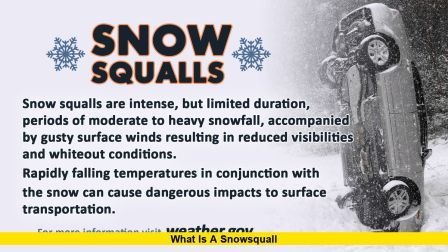

Winter weather in the United States can be unpredictable, but few events catch people off guard as quickly as what is a snowsquall. These fast-moving winter hazards can turn calm conditions into dangerous travel situations within minutes. Recent snow squall warnings issued across parts of the Northeast, including Sullivan County, have once again shown how critical it is for drivers and communities to understand these sudden weather threats.
Unlike large winter storms that build over hours, snow squalls strike with little notice and leave just as quickly. Their short duration often leads people to underestimate their impact, yet they are responsible for numerous winter travel emergencies each year.
Defining a Snow Squall
A snow squall is a brief but intense burst of heavy snowfall accompanied by strong winds. These events usually last less than an hour in any single location, but during that short window they can create near-zero visibility and rapidly deteriorating road conditions.
Snow squalls often develop along cold fronts or in unstable winter air masses. They may appear on otherwise quiet winter days, which makes them particularly dangerous for drivers who are not expecting severe weather.
Key features of a snow squall include sudden heavy snow, gusty winds, and rapid temperature conditions that allow snow to freeze instantly on road surfaces.
Why Snow Squalls Are Especially Dangerous
Snow squalls are not dangerous because of how much snow they produce, but because of how fast conditions change. Drivers can encounter clear roads one moment and blinding snow the next.
Instant Whiteout Conditions
Visibility during a snow squall can drop to near zero in seconds. Blowing snow can obscure lane markings, traffic signals, and even vehicles just a short distance ahead. This sudden loss of visibility is a major contributor to winter highway accidents.
Rapid Ice Formation
Because snow squalls often occur in very cold air, snow accumulates quickly on road surfaces. Even light snowfall can freeze immediately, creating slick conditions before road crews have time to respond.
High-Speed Travel Risks
Many snow squall incidents occur on highways where vehicles are traveling at higher speeds. When traffic suddenly slows due to poor visibility, the risk of multi-vehicle collisions increases significantly.
Wind-Driven Snow
Strong winds push falling snow across roadways, further reducing visibility and making it difficult for drivers to maintain control of their vehicles.
Snow Squall Warnings Explained
Snow squall warnings are issued when a dangerous burst of snow is expected to impact a specific area within a very short time frame. These warnings are designed to prompt immediate action rather than long-term preparation.
Unlike winter storm alerts that focus on accumulation totals, snow squall warnings emphasize travel hazards. They alert drivers that conditions will worsen rapidly and that delaying travel, even briefly, can significantly reduce risk.
Because these warnings are localized, some nearby areas may remain unaffected while others experience severe conditions.
Sullivan County Under a Snow Squall Warning
Sullivan County was recently placed under a snow squall warning as a narrow band of intense snowfall moved through the region. The alert highlighted the risk of sudden whiteouts, strong wind gusts, and icy roads developing in a matter of minutes.
Drivers in the area were urged to slow down, avoid unnecessary travel, and remain alert for rapidly changing conditions. The warning served as a reminder that even short trips can become hazardous during these fast-moving winter events.
Local officials emphasized caution on major roadways where reduced visibility and slick pavement could create dangerous driving situations.
How Snow Squalls Differ From Other Winter Events
Snow squalls are often confused with other forms of winter weather, but they differ in important ways.
Snow Squalls vs. Snowstorms
Snowstorms typically last several hours or days and are forecast well in advance. Snow squalls develop quickly, strike suddenly, and end within a short period of time. Their unpredictability is what makes them especially hazardous.
Snow Squalls vs. Blizzards
Blizzards involve prolonged periods of strong winds and heavy snow across large areas. Snow squalls are brief and localized, but can still create blizzard-like conditions for a short time.
Understanding these differences helps people recognize why snow squall warnings require immediate attention even when overall snowfall totals appear low.
Who Faces the Highest Risk
Certain groups are more vulnerable during snow squalls:
- Commuters traveling during early morning or evening hours
- Drivers on highways and rural roads
- Commercial truck operators
- Emergency responders navigating active roadways
Because snow squalls often arrive without prolonged buildup, even experienced winter drivers can be caught off guard.
How to Stay Safe During a Snow Squall
Preparation and quick decision-making are critical when a snow squall warning is issued.
Before You Travel
Check weather alerts before leaving home. If a warning is active or conditions appear unstable, delaying travel can prevent dangerous situations.
While Driving
Reduce speed immediately at the first sign of heavy snow. Turn on headlights to improve visibility. Increase following distance and avoid sudden braking or lane changes.
If Visibility Drops Too Low
If possible, safely pull off the road and wait for conditions to improve. Snow squalls often pass quickly, and waiting even a short time can greatly improve safety.
The Importance of Public Awareness
Many winter accidents occur not during major storms, but during short, intense weather events like snow squalls. Increased public awareness has become a key focus of winter safety efforts.
Drivers who understand how snow squalls behave are more likely to respond appropriately when warnings are issued. This awareness can reduce accidents, injuries, and road closures during winter months.
What This Means for the Rest of Winter
As winter continues, snow squalls will remain a recurring threat across many parts of the country. Cold fronts moving through unstable air can trigger these events with little notice, especially in regions prone to sudden temperature changes.
Staying informed, respecting weather warnings, and adjusting travel plans when necessary are the most effective ways to reduce risk during snow squall events.
Knowing what to do when conditions change suddenly can make the difference between a safe trip and a dangerous situation.
Final Perspective
Understanding what is a snowsquall is not just about weather knowledge — it is about personal safety. These brief but powerful winter events demand attention, caution, and respect from anyone traveling during cold months.
As snow squall warnings continue to be issued across the country, preparedness and awareness remain the strongest defenses against their sudden dangers.
Have you experienced a sudden snow squall while driving or commuting? Share your thoughts below and stay alert as winter conditions continue to evolve.