

Latest Update
On August 31, 2026, John Galliano and New York’s Metropolitan Museum of Art canceled the planned “John Galliano: Horizons” exhibition, which had been scheduled for spring 2027 alongside the Met Gala. The decision followed growing criticism from Jewish leaders, politicians and others over Galliano’s past antisemitic and racist remarks. Galliano said he remained fully accountable for the hurt caused by his words, particularly to Jewish and Asian communities, and expressed deep regret. The Met said details of a replacement spring 2027 Costume Institute exhibition and the 2027 Met Gala will be announced later. Click Here to Read More
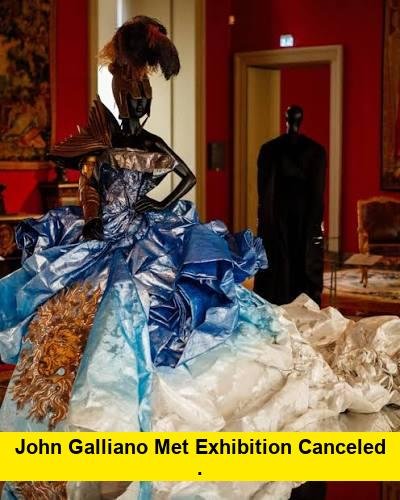
The question what did john galliano say remains closely linked to one of the most significant controversies in the fashion world. In 2011, British designer John Galliano came under intense public scrutiny after making antisemitic comments during incidents in Paris. The controversy quickly escalated after video footage became public, triggering widespread criticism and ultimately ending his tenure as creative director of Christian Dior.
The incident not only transformed Galliano’s career but also sparked broader conversations about hate speech, public accountability, and whether individuals can rebuild their professional lives after serious misconduct.
Key Points Summary
╔════════════════════════════════════════════════════════════════════╗
║ – John Galliano made antisemitic remarks during separate incidents in Paris in 2011. ║
║ – A video containing additional offensive comments later became public. ║
║ – The controversy resulted in his dismissal from Christian Dior. ║
║ – A French court later found him guilty of public antisemitic insults. ║
║ – Galliano apologized, sought treatment for addiction, and eventually returned to fashion. ║
╚════════════════════════════════════════════════════════════════════╝
The Statements That Sparked the Controversy
The controversy surrounding John Galliano erupted in February 2011 after he was accused of directing antisemitic insults at patrons during separate incidents at La Perle, a café in Paris’s Marais district. Witnesses alleged that Galliano verbally abused individuals with offensive comments targeting their Jewish background, prompting a police investigation.
Days later, the situation intensified when a previously recorded video surfaced online. In the footage, Galliano appeared intoxicated while making a series of antisemitic remarks, including expressing admiration for Adolf Hitler and stating that he loved Hitler. He also made comments suggesting that the ancestors of the people he was addressing “would have been gassed,” a reference to the Holocaust. The video quickly spread across television broadcasts, news websites, and social media platforms, turning the incident into an international scandal.
The statements were met with immediate and widespread condemnation from political leaders, Jewish organizations, human rights groups, and the global fashion industry. Critics said the remarks promoted hatred against Jewish people and trivialized the atrocities of the Holocaust. Because of the severity of the comments, Galliano faced both legal consequences in France and significant professional repercussions, including his dismissal from Christian Dior.
Galliano later apologized publicly for his remarks, describing his behavior as unacceptable and expressing remorse. He has since said he was struggling with alcohol and substance addiction at the time, although many observers emphasized that addiction does not excuse antisemitic speech or hate-filled comments. The incident remains one of the most significant controversies in modern fashion history and continues to shape discussions about accountability, discrimination, and redemption within the industry.
Why the Reaction Was Immediate
The release of the video triggered an immediate and overwhelming backlash from the fashion industry, political leaders, advocacy groups, and the public. Because the footage appeared to show Galliano making antisemitic remarks and praising Adolf Hitler, many viewed the incident as far more serious than a personal controversy. The comments were widely condemned as promoting hatred and disrespecting the millions of victims of the Holocaust.
Luxury fashion executives acted quickly to distance their brands from the scandal. Christian Dior suspended Galliano shortly after the allegations became public and later terminated his employment following the release of the video. The move reflected the industry’s growing emphasis on corporate responsibility and the need to protect brand reputation in the face of discriminatory behavior.
Public officials, Jewish organizations, anti-discrimination advocates, and fellow designers also issued strong statements condemning Galliano’s remarks. Many emphasized that antisemitism, racism, and all forms of hate speech have no place in fashion or society, regardless of a person’s status or creative achievements.
The controversy quickly became one of the biggest fashion news stories of 2011. Television networks, newspapers, and digital media outlets around the world covered the incident extensively, while discussions spread rapidly across social media. The scandal not only ended Galliano’s tenure at Dior but also sparked broader conversations about accountability, public conduct, and the fashion industry’s responsibility to uphold values of inclusion and respect.
Christian Dior’s Response
At the time of the controversy in 2011, John Galliano was serving as the celebrated creative director of Christian Dior, a position he had held since 1996. Widely regarded as one of fashion’s most innovative designers, Galliano had helped transform Dior’s haute couture collections into internationally acclaimed runway spectacles, earning critical praise and strengthening the brand’s global reputation.
After allegations of antisemitic abuse emerged, Dior initially announced that it was suspending Galliano pending the outcome of its internal review and the ongoing legal investigation. However, the situation changed dramatically when a video surfaced appearing to show Galliano making antisemitic remarks and expressing admiration for Adolf Hitler. Within days, Dior announced that it had terminated his employment, stating that it maintained a policy of zero tolerance toward racist and antisemitic behavior.
Galliano’s dismissal marked the end of a highly influential 15-year tenure at the French luxury house. During his time at Dior, he produced some of the most memorable couture collections of the modern era, blending theatrical storytelling with exceptional craftsmanship. His departure, however, overshadowed those creative achievements and became one of the most significant turning points in contemporary fashion history.
The decision also sent a strong message across the luxury fashion industry that discriminatory speech and hate-based conduct could carry serious professional consequences, regardless of an individual’s creative stature or commercial success. Dior’s swift response was widely viewed as an effort to protect the company’s values, reputation, and commitment to diversity and inclusion.
Legal Proceedings in France
French authorities pursued legal action against John Galliano because France has strict laws that prohibit public hate speech and incitement to racial or religious hatred. Following police investigations into the incidents at a Paris café and the emergence of the widely circulated video, prosecutors charged the designer with making public antisemitic insults.
In September 2011, a Paris court found Galliano guilty of making antisemitic remarks during two separate public incidents. The court imposed a suspended fine of €6,000, meaning he was not required to pay the amount unless he committed a similar offense within the specified period. While Galliano did not receive a prison sentence, the conviction established his legal responsibility under French law.
During the trial, Galliano acknowledged making offensive comments but said he had no memory of the incidents because he was heavily affected by alcohol and prescription drug addiction at the time. He later issued multiple public apologies, expressing remorse for his actions and acknowledging the harm caused by his statements. The court, however, determined that his condition did not excuse the unlawful nature of the remarks.
The case attracted significant international media attention and became one of the most closely watched legal proceedings involving a major figure in the fashion industry. It also highlighted France’s firm stance on combating antisemitism and other forms of discriminatory speech, reinforcing the country’s commitment to enforcing hate speech laws regardless of an individual’s public profile or professional success.
Galliano’s Public Response
In the months following the controversy, John Galliano issued several public apologies, acknowledging that his remarks were offensive, unacceptable, and deeply hurtful. He expressed remorse to the Jewish community, the individuals directly affected by his comments, and the wider public, saying he accepted responsibility for the pain his words had caused.
Galliano also disclosed that he had been battling severe alcohol and prescription drug addiction for years before the incidents. During interviews and later public appearances, he said his addiction had spiraled out of control and contributed to his destructive behavior. While he offered this explanation to provide context, he emphasized that it was not an excuse for his antisemitic remarks.
After his dismissal from Christian Dior, Galliano largely withdrew from public life and entered a rehabilitation program to address his substance abuse issues. He spent an extended period focusing on recovery, therapy, and rebuilding his personal life before gradually returning to the fashion industry.
In later years, Galliano continued to apologize publicly, including in interviews where he reflected on the long-term consequences of his actions. He said he was committed to maintaining his sobriety and working to regain trust through accountability rather than expecting immediate forgiveness. His return to fashion has remained closely tied to ongoing discussions about redemption, personal responsibility, and whether individuals who acknowledge wrongdoing and demonstrate sustained change should be given a second chance.
How the Controversy Changed His Career
The 2011 controversy had immediate and long-lasting consequences for John Galliano’s career, bringing an abrupt end to one of the most successful tenures in modern fashion. Once regarded as one of the industry’s most influential designers, Galliano faced widespread professional and personal repercussions that reshaped his public image for years.
Among the most significant effects were:
- Dismissal from Christian Dior: Galliano lost his role as creative director after nearly 15 years leading the iconic French fashion house.
- Damage to his global reputation: The scandal overshadowed his celebrated design achievements and became closely associated with his public legacy.
- Loss of professional relationships: Several business partnerships, endorsements, and industry collaborations ended as companies distanced themselves from the controversy.
- Withdrawal from the fashion spotlight: Galliano stepped away from major fashion events and public appearances while addressing his legal issues and focusing on recovery from addiction.
- Reduced career opportunities: For several years, many luxury brands and fashion organizations were reluctant to work with him because of the severity of the controversy.
Despite these setbacks, Galliano gradually rebuilt his career. After spending time in rehabilitation and publicly apologizing for his actions, he slowly returned to the fashion world. In 2014, he was appointed creative director of Maison Margiela, marking the beginning of his professional comeback. While his later collections earned critical acclaim, discussions about his work have continued to be accompanied by debates over accountability, redemption, and whether individuals who demonstrate sustained remorse and personal change should be given a second chance.
His Return to Fashion
After several years away from the spotlight, John Galliano made his return to the fashion industry in 2014 when he was appointed creative director of Maison Margiela, one of Paris’s most respected luxury fashion houses. The appointment marked a significant turning point in his career and was closely watched by the fashion world, with many debating whether the designer deserved a second chance after the 2011 scandal.
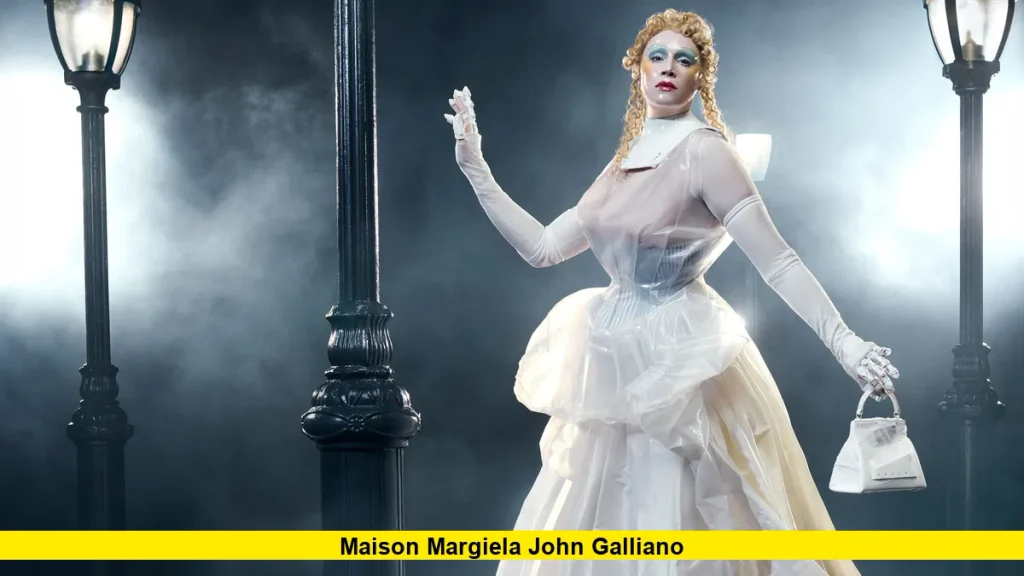
Under Galliano’s creative leadership, Maison Margiela received widespread critical acclaim for its haute couture and ready-to-wear collections. Fashion critics praised his imaginative designs, technical craftsmanship, and theatrical storytelling, noting that his creative talent remained among the strongest in the industry. His work helped reinforce Maison Margiela’s reputation for artistic innovation while introducing a new chapter for the brand.
Despite his professional comeback, Galliano’s return did not erase the controversy that had reshaped his career. Media coverage of his collections frequently referenced the 2011 antisemitism scandal, and discussions about his work often expanded into broader conversations about accountability, rehabilitation, and redemption in the fashion industry.
Galliano has continued to acknowledge his past actions publicly, maintaining that he is committed to personal growth and sobriety. His career today is viewed through two distinct lenses: as one of fashion’s most influential designers and as a public figure whose legacy remains permanently linked to one of the industry’s most significant controversies.
Why the Story Is Still Discussed
More than a decade after the events of 2011, John Galliano’s remarks continue to be discussed because the controversy extends beyond the actions of a single individual. It has become a case study in how public figures, global brands, and society respond when hate speech intersects with fame, influence, and accountability.
The story continues to raise important questions about:
- The consequences of hate speech: Galliano’s case highlighted the legal, professional, and personal repercussions that can follow discriminatory public statements.
- Personal responsibility: The controversy underscored the expectation that influential public figures are accountable for their words and actions, regardless of their status or achievements.
- Corporate responses to misconduct: Christian Dior’s decision to dismiss Galliano is often cited as an example of how companies seek to protect their values and reputation when faced with serious allegations involving senior figures.
- Addiction and rehabilitation: Galliano’s later disclosures about his struggles with alcohol and drug addiction prompted discussions about the role of treatment and recovery, while also reinforcing that addiction does not excuse hate speech or unlawful conduct.
- Redemption after serious wrongdoing: His return to the fashion industry has fueled ongoing debate over whether individuals who accept responsibility, demonstrate sustained remorse, and make meaningful personal changes should be given a second chance.
Because it touches on issues of discrimination, corporate ethics, criminal accountability, and the possibility of rehabilitation, Galliano’s story remains relevant in both the fashion world and wider public discourse. It continues to be referenced whenever conversations arise about balancing accountability with the potential for personal redemption after serious misconduct.
A Defining Moment in Fashion History
John Galliano’s legacy is defined by two contrasting realities: his extraordinary influence as one of fashion’s most innovative designers and the 2011 antisemitism scandal that dramatically altered his career. His work transformed modern haute couture through theatrical runway presentations, bold creativity, and exceptional craftsmanship, leaving a lasting mark on luxury fashion.
At the same time, the events of 2011 remain one of the industry’s most significant controversies. The scandal demonstrated how discriminatory speech can have profound legal, professional, and personal consequences, regardless of an individual’s reputation or accomplishments. Galliano’s dismissal from Christian Dior, his criminal conviction in France, and the years he spent rebuilding his life and career continue to be studied as a pivotal moment in fashion history.
Today, Galliano’s story is often viewed through the dual lenses of artistic achievement and accountability. While his collections continue to inspire designers and fashion enthusiasts around the world, the controversy serves as a lasting reminder of the importance of respect, responsibility, and the far-reaching impact that words and actions can have on individuals, communities, and professional careers.
Final Words
John Galliano’s 2011 controversy remains one of the defining moments in modern fashion history, illustrating how extraordinary creative success can be overshadowed by serious personal misconduct. While his contributions to haute couture continue to influence designers around the world, his antisemitic remarks led to lasting legal, professional, and reputational consequences.
His story continues to resonate because it raises enduring questions about accountability, corporate responsibility, rehabilitation, and redemption. More than a decade later, Galliano’s career stands as both a testament to remarkable artistic talent and a reminder that public figures are ultimately judged not only by their achievements but also by the impact of their words and actions.
FAQs
Q: What did John Galliano say that caused controversy?
A: In 2011, he made antisemitic remarks during incidents in Paris, and a video later surfaced showing additional offensive comments that praised Adolf Hitler.
Q: Why were Galliano’s comments widely criticized?
A: They were condemned because they promoted antisemitic ideas and hateful rhetoric directed toward Jewish people.
Q: What happened after the video became public?
A: Christian Dior dismissed Galliano, and French authorities pursued legal action against him.
Q: Did John Galliano apologize for his remarks?
A: Yes. He publicly apologized, expressed remorse, and later sought treatment for alcohol and substance addiction.
Q: Did Galliano return to the fashion industry?
A: Yes. He later became creative director of Maison Margiela, marking his return to high fashion after several years away.
Stay updated with our latest fashion features, designer profiles, and in-depth coverage of the events that continue to shape the global fashion industry.