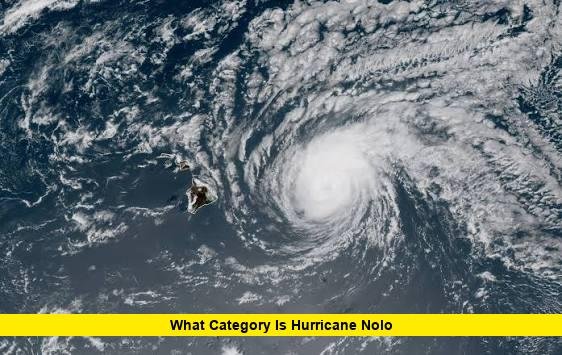

Hurricane Nolo has become a major weather concern in the central Pacific, raising questions about what category is hurricane Nolo as it approaches the Hawaiian Islands. The storm strengthened into a hurricane and continued intensifying while moving near Hawaii’s Big Island, bringing the risk of dangerous flooding, strong winds, and hazardous coastal conditions.
The latest updates indicate that Nolo reached Category 2 hurricane strength on the Saffir-Simpson Hurricane Wind Scale, with maximum sustained winds reported near 105 mph. The hurricane has been monitored closely by the National Hurricane Center and the Central Pacific Hurricane Center as it moves south of Hawaii Island.
Main Topic: Hurricane Nolo Category Explained
Hurricane Nolo is classified as a Category 2 hurricane based on its sustained wind speed. The Saffir-Simpson scale ranks hurricanes from Category 1 to Category 5 according to maximum sustained winds:
- Category 1: 74 to 95 mph winds
- Category 2: 96 to 110 mph winds
- Category 3: 111 to 129 mph winds
- Category 4: 130 to 156 mph winds
- Category 5: 157 mph or higher winds
With winds around 105 mph, Nolo falls within the Category 2 range. This means the storm is considered a powerful hurricane capable of causing significant damage, particularly in areas exposed to strong winds, heavy rainfall, and coastal hazards.
A hurricane’s category is determined only by wind speed. The category does not directly measure rainfall, flooding potential, storm surge, or other hazards. In Nolo’s case, officials have highlighted heavy rainfall and flash flooding as major threats for Hawaii Island.
Current Strength and Location of Hurricane Nolo
Hurricane Nolo strengthened while moving slowly through the central Pacific. According to recent advisories, the storm was located south of South Point, Hawaii, and was moving generally north-northeast before a forecast turn toward the west.
The latest reported conditions included:
- Hurricane category: Category 2
- Maximum sustained winds: Around 105 mph
- Movement: North-northeast at about 5 mph
- Location: South of Hawaii Island
- Main concerns: Heavy rainfall, flooding, damaging waves, and hurricane-force winds
Forecast information showed that Nolo’s center was expected to remain south of the main Hawaiian Islands, but the storm’s large circulation could still bring dangerous weather impacts, especially to the Big Island.
Career or Relevant Information: How Hurricane Categories Work
The hurricane category system helps communities understand wind-related risks, but it does not represent the complete danger of a tropical cyclone.
A Category 2 hurricane can produce:
- Dangerous winds capable of damaging roofs, trees, and power systems
- Coastal impacts from large waves and storm conditions
- Possible power outages
- Increased risks when combined with heavy rainfall
For Hawaii, rainfall can be especially dangerous because mountainous terrain can increase runoff and raise the possibility of flash flooding and mudslides.
Meteorologists also examine other factors beyond category, including:
- Storm size
- Forward speed
- Rainfall intensity
- Wind field expansion
- Terrain interaction
- Ocean conditions
Because of these factors, a lower-category storm can sometimes create serious impacts if it produces extreme rainfall or affects vulnerable locations.
Impact on Hawaii’s Big Island
Hurricane Nolo has placed Hawaii Island under close monitoring because of the possibility of life-threatening weather conditions. Officials warned that heavy rainfall could lead to flash flooding and mudslides, especially in areas with steep terrain.
The eastern and southern parts of the Big Island faced the greatest rainfall concerns. Forecast estimates indicated that some locations could receive significant rainfall totals, increasing the risk of flooding in vulnerable communities.
Potential hazards associated with Hurricane Nolo include:
- Flash flooding
- Mudslides in mountainous areas
- Dangerous surf and coastal waves
- Strong winds
- Possible travel disruptions
Residents and visitors across Hawaii have been advised to monitor official weather updates and follow local emergency guidance.
Latest Updates on Hurricane Nolo
The latest storm information shows that Nolo continued strengthening after becoming a hurricane. Forecast discussions indicated that additional strengthening was possible as the storm moved near Hawaii, although exact intensity changes depended on environmental conditions.
A Hurricane Watch was issued for parts of Hawaii Island as forecasters monitored the possibility of hurricane conditions affecting the area. Tropical storm warnings and watches were also in effect for portions of Hawaii and nearby islands.
The storm’s biggest concern has remained rainfall rather than only wind intensity. Even if the center stays offshore, the hurricane’s moisture and circulation may continue producing dangerous conditions across parts of the state.
Public Interest Around Hurricane Nolo
Search interest in Hurricane Nolo increased as residents and travelers looked for information about the storm’s category, strength, and possible effects on Hawaii.
Many people are specifically searching for the storm’s category because hurricane classifications are commonly used to understand wind threats. However, experts emphasize that preparation should consider all hazards, including flooding and coastal conditions.
For Hawaii residents, understanding the difference between hurricane category ratings and overall storm impacts is important. A storm’s category provides information about wind strength, but rainfall and flooding can create severe risks regardless of the exact classification.
Safety Considerations During Hurricane Conditions
During hurricane conditions, residents in affected areas typically prepare by securing property, reviewing emergency plans, and staying informed through official updates.
Important preparation steps may include:
- Keeping emergency supplies available
- Monitoring weather alerts
- Avoiding flooded roads and fast-moving water
- Following evacuation instructions if issued
- Preparing for possible power interruptions
Because conditions can change quickly, updated forecasts remain important throughout the storm’s approach and passage.
Final Thoughts
Hurricane Nolo is currently classified as a Category 2 hurricane, with maximum sustained winds near 105 mph. The storm has become a significant weather event for Hawaii because of its potential to bring dangerous rainfall, flooding, and coastal hazards, particularly around the Big Island.
While the hurricane category answers the question of wind strength, the overall impact of Nolo depends on several factors, including rainfall amounts, storm movement, and local conditions. Residents and visitors should continue following the latest official forecasts as the storm develops.
Share your thoughts in the comments and stay updated with the latest Hurricane Nolo developments as new information becomes available.