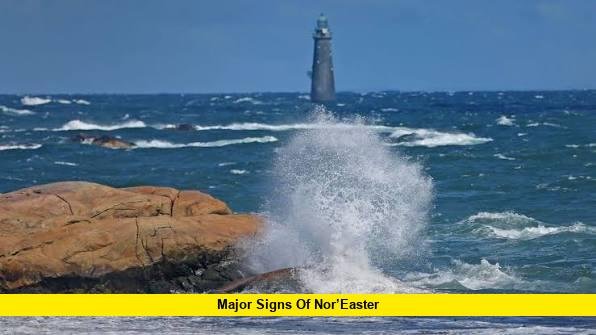

The major signs of nor’easter are becoming visible as coastal communities along the Northeast prepare for dangerous weather conditions, including flooding, powerful winds, heavy rain and rough surf. Early impacts have already been reported in parts of New Jersey, where roads flooded and some homes were affected as the storm began moving through the region.
A nor’easter is a powerful coastal storm system that develops along the East Coast and can bring a combination of heavy precipitation, strong northeast winds, coastal flooding and beach erosion. The latest storm has prompted preparations across several states as officials warn residents about worsening conditions, especially in low-lying coastal areas.
Main Topic: Early Warning Signs of the Developing Nor’easter
The first major signs of the storm have appeared through rising water levels, flooded streets and increasing wind activity along coastal areas. In New Jersey communities near the shore, some roads became covered with water, and officials began preparing for additional flooding as the storm intensified.
The most noticeable warning signs of a strengthening nor’easter typically include:
- Rising coastal water levels during high tide
- Flooding on roads near beaches, bays and waterways
- Strong wind gusts causing tree movement and possible power disruptions
- Increasing wave heights and dangerous surf conditions
- Heavy rainfall that can overwhelm drainage systems
- Travel disruptions caused by hazardous weather
The current storm system has already affected parts of the East Coast, with thousands of residents experiencing power outages and communities preparing for possible additional impacts.
Nor’easters can become especially dangerous because they often move slowly, allowing rain, wind and coastal flooding conditions to continue for an extended period. New Jersey emergency officials note that these storms can create serious hazards because strong winds and water buildup may combine to increase flooding risks.
Flooding Becomes One of the First Major Impacts
Flooding is among the most common and dangerous signs of a nor’easter. Coastal areas are particularly vulnerable because strong onshore winds can push ocean water toward land, while heavy rain can increase pressure on drainage systems.
In New Jersey, coastal communities reported flooded streets as the storm approached. Some low-lying areas experienced water intrusion, and officials prepared for more significant flooding during high tide periods.
Areas most vulnerable during a nor’easter often include:
- Barrier islands and beach communities
- Neighborhoods near bays and tidal waterways
- Low-elevation coastal roads
- Locations with a history of flooding
Flooding can also occur away from the immediate coastline. Heavy rainfall may cause drainage problems, especially in areas where the ground is already saturated or where stormwater systems become overwhelmed.
New Jersey emergency officials continue to advise residents to avoid driving through flooded roads because water depth can be difficult to judge and conditions can change quickly.
Strong Winds Create Additional Storm Risks
Another major sign of a nor’easter is increasing wind strength. These storms can produce powerful gusts capable of damaging trees, disrupting travel and causing power outages.
Forecast information indicated that some coastal locations could experience strong wind gusts as the storm develops. The strongest impacts are generally expected closer to the coastline, where wind and waves combine to create more dangerous conditions.
Strong winds during a nor’easter may lead to:
- Fallen tree branches
- Power line damage
- Difficult driving conditions
- Flying debris
- Dangerous conditions for boaters
Officials have warned that coastal exposure increases the risk because open areas allow winds to strengthen with fewer obstacles.
Coastal Flooding and High Surf Concerns
Coastal flooding is one of the defining threats associated with a nor’easter. The combination of strong winds, high tides and large waves can push seawater onto streets, beaches and nearby properties.
The National Weather Service has highlighted coastal flooding, strong winds, dangerous rip currents, high surf and hazardous marine conditions as major concerns connected with the current storm system.
Communities along the New Jersey and Delaware coasts have been closely monitoring tide cycles because flooding risks can increase significantly when storm conditions overlap with high tide.
Beach erosion is another concern because powerful waves can remove sand from shorelines and damage coastal infrastructure.
Weather Conditions That Signal a Strengthening Nor’easter
Meteorologists monitor several atmospheric changes when tracking a nor’easter. These storms usually form when a low-pressure system develops near the East Coast and interacts with surrounding weather patterns.
Common signs include:
- A strengthening coastal low-pressure system
- Increasing moisture moving toward the coastline
- Falling atmospheric pressure
- Expanding areas of heavy rain
- Increasing northeast winds
The severity of a nor’easter depends on the storm’s strength, movement speed and interaction with coastal conditions. A slower-moving storm may create longer-lasting impacts because rain and wind continue affecting the same areas for a longer time.
Public Interest: How Communities Are Preparing
The developing nor’easter has drawn attention from residents, emergency officials and travelers across the Northeast because of potential disruptions.
New Jersey declared a state of emergency in several counties expected to experience major storm impacts, allowing state agencies and local officials to coordinate emergency response efforts.
Communities are taking steps such as:
- Monitoring flood-prone locations
- Preparing emergency response equipment
- Advising residents in vulnerable areas to remain alert
- Tracking weather updates and tide forecasts
Some events and transportation services have also faced disruptions due to worsening weather conditions.
Latest Updates on the Nor’easter Threat
The latest reports show that the storm is producing early impacts along the East Coast, with flooding already affecting some New Jersey communities and additional coastal hazards expected as the system continues.
Officials have not confirmed every possible impact location, and conditions may vary depending on storm movement, rainfall intensity and local geography. Residents in affected areas are encouraged to follow official weather alerts and emergency instructions.
The biggest concerns remain:
- Coastal flooding during high tide
- Strong wind gusts
- Dangerous ocean conditions
- Road closures in flood-prone areas
- Possible power outages
Weather conditions during a nor’easter can change quickly, so continued monitoring remains important throughout the storm period.
Safety Measures During a Nor’easter
Residents in areas affected by flooding or strong winds should take basic precautions to reduce risks.
Important steps include:
- Avoid flooded roads and never attempt to drive through moving water
- Keep emergency supplies available
- Secure outdoor items that could become debris
- Stay away from beaches and dangerous surf conditions
- Follow instructions from local emergency officials
Flood safety officials emphasize that even shallow-looking floodwater can hide dangerous conditions, including damaged roads or strong currents.
Final Thoughts on Major Signs of Nor’easter
The major signs of nor’easter are already appearing through coastal flooding, rising waters, strong winds and increasing storm-related disruptions across parts of the Northeast. New Jersey communities have experienced some of the earliest effects, with officials preparing for additional challenges as the storm continues.
Nor’easters are complex storms that can bring multiple hazards at the same time. Monitoring weather updates, understanding flood risks and following local safety guidance remain important as conditions develop.
Share your thoughts in the comments and stay updated for the latest weather developments and storm information.