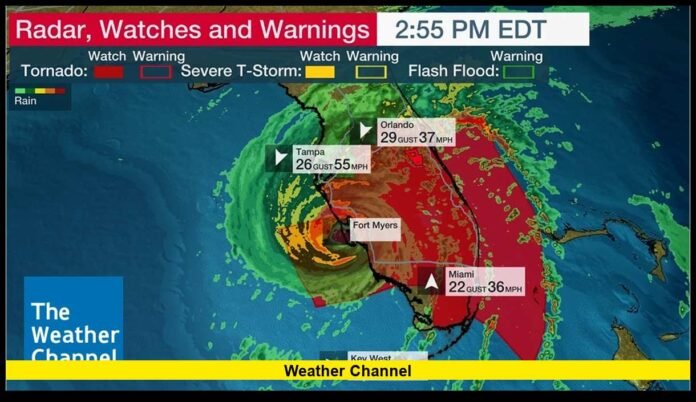

The weather channel is delivering essential updates as the United States enters December with a sharp seasonal shift marked by colder air, active storm patterns, and early signs of winter settling in. With temperatures dropping across many regions and wintry conditions beginning to emerge, viewers are turning to the network for accurate, real-time information to plan their days safely and confidently.
Cold Air Pushes Across the U.S.
Much of the country began December with an immediate jolt of cold air. Several East Coast and Midwest locations recorded temperatures well below average for early December. Some communities saw their coldest day of the season so far.
Meteorologists tracking the shift highlighted a clear arrival of winter conditions, especially during the first 24 hours of the new month. Residents across the Northeast and parts of the Mid-Atlantic woke up to frosty mornings, brisk winds, and alerts for freezing temperatures.
Across inland areas from Virginia to Pennsylvania, the day began with a winter-like chill. The cold air mass also expanded westward, lowering temperatures in parts of the Ohio Valley and Upper Midwest.
With the advancing cold front came concerns about slick morning commutes, reduced visibility in certain zones, and sudden wind chills that made conditions feel much colder than the actual readings.
Wintry Mix Threatens Select East Coast Areas
Forecasters noted that a developing weather system could produce a mix of rain, snow, and freezing rain in certain East Coast regions. This system is expected to affect parts of the Delmarva Peninsula, coastal Mid-Atlantic areas, and surrounding inland communities.
Northern and western suburbs of major East Coast cities may see light snow or sleet late Monday into early Tuesday. Even minor accumulations could create slippery spots on untreated roads, particularly before sunrise.
In some areas, temperatures are expected to rise later in the day, turning wintry precipitation into cold rain. Still, the early-morning window poses enough winter risk for schools, commuters, and travelers to stay alert.
The Start of Meteorological Winter
December 1 marks the official beginning of meteorological winter, a period defined by consistent seasonal temperature patterns rather than astronomical timing. This three-month window — December, January, and February — typically brings colder air, storm development, and winter-specific hazards.
This year, the season begins with clear signs of atmospheric change:
- Colder-than-average temperatures in interior northern regions
- Storm systems capable of producing mixed precipitation
- Early morning freezes across eastern and central states
These conditions are aligning with longer-range expectations for the 2025–26 winter period.
Winter Outlook: What the Season May Bring
The broader outlook for this winter suggests that different regions will experience very different conditions, strongly influenced by a developing climate pattern in the Pacific.
Current seasonal guidance shows:
- Cooler-than-average temperatures are likely in the Northern Plains, Northwest, and parts of the Upper Midwest.
- Warmer-than-average conditions may develop across southern states, including portions of Texas, the Southeast, and the eastern Gulf Coast.
- Milder winter patterns could also extend into areas of the Northeast.
- Drier-than-normal conditions are expected along sections of the Gulf Coast and parts of the East Coast.
Meanwhile, regions closer to the Great Lakes and northern interior areas may see more frequent bursts of cold air and occasional snowfall through the season.
These outlooks help communities anticipate weather-related challenges, from potential heating demands to road safety impacts.
How The Weather Channel Helps Viewers Prepare
The Weather Channel continues to be a central source of daily forecasts and seasonal guidance for millions of Americans.
Over the years, the network has expanded from traditional TV broadcasts into a broad digital ecosystem. Today, viewers rely on multiple platforms to track conditions, receive alerts, and understand storm movement. These tools help people make safer decisions whether they are traveling, commuting, or managing outdoor activities.
Among the channel’s most valued features:
- Real-time storm tracking to monitor precipitation and developing systems
- Hourly and extended forecasts so users can plan ahead
- Health and air-quality insights supporting people with allergies or respiratory concerns
- Location-based notifications that deliver immediate alerts about shifts in conditions
With winter weather underway, these updates become even more important.
What Americans Should Watch for This Week
As December begins, shifting weather patterns may impact large regions of the country. Here are key developments viewers should monitor:
1. Temperature Swings
Some southern and coastal areas may warm quickly after the cold push, while interior northern regions stay near freezing. Sudden changes can affect road conditions and travel plans.
2. Morning Freeze Risks
Cold overnight air will likely lead to freezing surfaces in multiple states. Drivers should be prepared for icy patches on bridges and side roads.
3. Wintry Mix Potential
Parts of the Mid-Atlantic and Northeast could encounter light snow, sleet, or freezing rain. Even minor ice can create hazardous travel conditions.
4. Early-Season Storm Activity
A developing storm system may continue to influence parts of the East Coast. Rainfall is expected in certain coastal zones, with snow possible farther inland.
5. Regional Differences in Winter Behavior
The Weather Channel’s seasonal guidance highlights notable variability, meaning viewers should monitor local updates closely.
Staying Prepared as Winter Ramps Up
As colder weather settles in, preparedness becomes a priority. Households should:
- Check updated forecasts each morning and evening
- Keep warm clothing handy for sudden drops in temperature
- Prepare vehicles for winter conditions, including tire pressure and anti-freeze levels
- Allow extra commuting time when wintry precipitation is expected
- Use high-visibility gear when walking or driving in low-light conditions
- Monitor conditions through trusted forecast tools
These steps help reduce risks and ensure safer travel throughout the winter months.
Why The Weather Channel Remains a Trusted Source
The Weather Channel continues to play a vital role in everyday life across the United States. Its combination of real-time reporting, expert meteorology, and easy-to-understand visuals gives viewers the clarity they need during fast-moving weather events.
As December begins with cold air, possible wintry mix, and the launch of meteorological winter, millions of Americans are relying on the network’s updates to stay ahead of weather hazards. Whether preparing for school, commuting to work, or planning holiday travel, viewers benefit from steady coverage that adapts to rapidly changing conditions nationwide.
Share how the winter weather is unfolding in your area — your experiences help others stay aware and prepared.