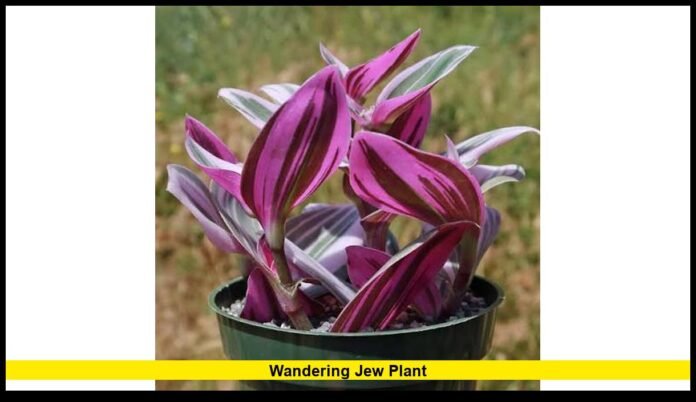

The wandering jew plant is one of the most attractive and easy-to-grow houseplants available in 2026. Loved for its colorful trailing vines and striking purple, silver, and green foliage, this fast-growing plant is an excellent choice for beginners and experienced gardeners alike. Whether placed in a hanging basket, decorative pot, or indoor plant shelf, it brings year-round beauty with minimal maintenance.
Today, many gardeners also refer to this plant as Tradescantia, wandering dude, or inch plant. While the traditional name remains a popular search term, these alternative names are becoming increasingly common.
╔════════════════════════════════════════════════════════════════════╗
║ – The wandering jew plant is a fast-growing, colorful indoor plant. ║
║ – It belongs to the Tradescantia genus, which includes several popular varieties. ║
║ – Bright, indirect sunlight keeps its leaves vibrant and healthy. ║
║ – Stem cuttings can be propagated easily in either water or soil. ║
║ – The plant is low-maintenance, making it ideal for beginners. ║
╚════════════════════════════════════════════════════════════════════╝
What Is the Wandering Jew Plant?
The wandering jew plant is part of the Tradescantia genus, a group of flowering perennial plants native to the Americas. Although it produces small, delicate flowers, the plant is primarily grown for its colorful leaves and cascading stems.
Its trailing habit makes it perfect for:
- Hanging baskets
- Indoor planters
- Window boxes
- Decorative shelves
- Outdoor containers during warm weather
With proper care, the plant grows quickly and can develop long, attractive vines that create a lush display.
Popular Types of Wandering Jew Plants
Several species of Tradescantia are commonly grown as ornamental plants.
Tradescantia zebrina
This is the most recognizable variety, featuring:
- Purple and green leaves
- Bright silver stripes
- Deep purple leaf undersides
- Long trailing stems
Tradescantia pallida
Commonly called Purple Heart, this variety offers:
- Rich purple foliage
- Small pink blooms
- Strong tolerance to warm weather
Tradescantia fluminensis
This species is known for:
- Bright green leaves
- Rapid spreading growth
- Dense trailing vines
Tradescantia spathacea
Unlike most trailing varieties, this plant grows upright with colorful green and purple leaves.
Growing Conditions
Providing the right growing conditions helps the wandering jew plant thrive throughout the year.
Light
Bright, indirect sunlight produces the healthiest plants.
Ideal locations include:
- Near east-facing windows
- Bright rooms with filtered light
- Areas receiving several hours of indirect daylight
Too much direct sunlight can scorch the leaves, while insufficient light may reduce the intensity of the plant’s colors.
Temperature
The plant grows best in temperatures between 60°F and 80°F (16°C–27°C).
Cold drafts and freezing temperatures should be avoided.
Humidity
Moderate humidity encourages healthy foliage.
If indoor air becomes very dry, occasional misting or placing the pot near other houseplants can help maintain suitable moisture levels.
Best Soil
A loose, well-draining potting mix is ideal.
Healthy soil should:
- Drain excess water efficiently
- Hold enough moisture for root development
- Prevent root rot
Mixing standard potting soil with perlite improves drainage and airflow.
Watering Tips
Water the wandering jew plant only after the top layer of soil becomes dry.
General guidelines include:
- Water more frequently during spring and summer.
- Reduce watering during fall and winter.
- Never allow the plant to sit in standing water.
Overwatering is far more harmful than allowing the soil to dry slightly between watering sessions.
Fertilizing
Apply a balanced liquid fertilizer once every month during the active growing season.
Reduce feeding during winter when the plant naturally slows its growth.
How to Propagate the Wandering Jew Plant
One of the reasons this plant remains so popular is its incredibly easy propagation.
Propagation in Water
- Cut a healthy stem just below a leaf node.
- Remove the lower leaves.
- Place the cutting in a glass of clean water.
- Roots usually appear within one to two weeks.
- Once roots have developed, transplant the cutting into soil.
Propagation in Soil
Fresh cuttings can also be planted directly into moist potting mix, where they root quickly under warm conditions.
Pruning and Maintenance
Regular trimming encourages thicker, healthier growth.
Pruning helps:
- Control long vines
- Increase branching
- Produce fuller plants
- Remove damaged leaves
The removed cuttings can be reused to grow additional plants.
Common Growing Problems
Even though the wandering jew plant is considered low-maintenance, it may occasionally develop issues.
Yellow Leaves
Possible causes include:
- Overwatering
- Poor drainage
- Low light
Brown Leaf Edges
This can result from:
- Dry indoor air
- Inconsistent watering
- Excess fertilizer
Leggy Stems
Long stems with fewer leaves usually indicate insufficient sunlight.
Moving the plant to a brighter location often solves the problem.
Pests to Watch For
Indoor plants may occasionally attract:
- Spider mites
- Aphids
- Mealybugs
- Scale insects
Inspect the leaves regularly and treat infestations early using insecticidal soap or neem oil if necessary.
Does It Bloom?
Yes. Mature wandering jew plants occasionally produce small flowers that may be:
- Pink
- Purple
- White
Although attractive, the flowers are much less noticeable than the plant’s colorful foliage.
Is the Wandering Jew Plant Safe for Pets?
The sap may cause mild skin irritation in sensitive individuals, and chewing the plant can lead to stomach upset in pets.
For safety:
- Keep it away from cats and dogs.
- Wear gloves if you have sensitive skin during pruning.
Decorating With the Wandering Jew Plant
Its cascading vines make it a favorite for indoor decorating.
Popular display ideas include:
- Hanging baskets
- Floating shelves
- Bookshelves
- Window ledges
- Plant stands
- Office desks
Its colorful leaves pair beautifully with other popular houseplants like pothos, philodendrons, and spider plants.
Outdoor Growing
In frost-free regions, the wandering jew plant can grow outdoors throughout the year.
In cooler climates, it is often grown:
- As a summer container plant
- In patio baskets
- As seasonal ground cover
- Indoors during winter
Why Gardeners Still Love It in 2026
The wandering jew plant continues to be a favorite because it combines beauty with simplicity. Its vibrant foliage, rapid growth, and easy propagation make it one of the most rewarding plants for homes, apartments, and offices.
Whether you’re starting your first indoor garden or expanding an existing collection, this colorful Tradescantia is a dependable and eye-catching choice.
Conclusion
The wandering jew plant remains one of the easiest and most beautiful trailing houseplants you can grow. With bright indirect light, occasional watering, and regular pruning, it rewards gardeners with lush vines and vibrant foliage throughout the year. Its versatility, fast growth, and low-maintenance nature ensure it remains a popular addition to indoor gardens in 2026 and beyond.
FAQs
Q: How much sunlight does a wandering jew plant need?
A: It grows best in bright, indirect sunlight. Too much direct sun can damage the leaves.
Q: How often should I water a wandering jew plant?
A: Water when the top inch of soil feels dry. Watering needs decrease during winter.
Q: Can I grow the wandering jew plant in water?
A: Yes. Stem cuttings root easily in water before being planted in soil.
Q: Why are my plant’s leaves fading?
A: Faded colors usually indicate the plant is not receiving enough bright, indirect light.
Q: Is the wandering jew plant easy to propagate?
A: Yes. It is one of the easiest houseplants to propagate using stem cuttings.
Q: Is the wandering jew plant toxic?
A: It may cause mild irritation or digestive discomfort if consumed by pets, so it should be kept out of their reach.
Q: What is the botanical name of the wandering jew plant?
A: It belongs to the Tradescantia genus, which includes several popular ornamental species.
Do you grow a wandering jew plant at home? Share your favorite care tips or propagation success stories in the comments, and stay connected for more gardening guides and houseplant inspiration.