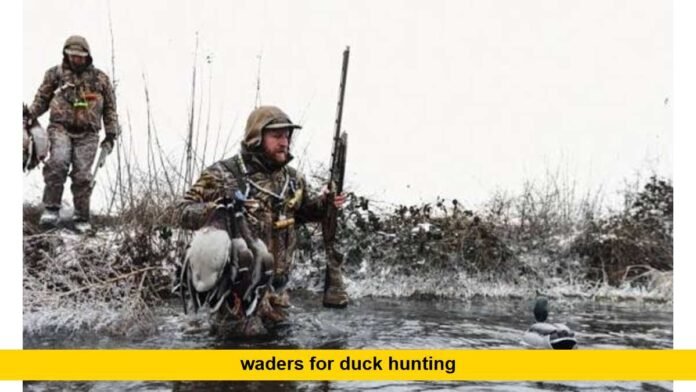

Choosing the right waders for duck hunting is about more than keeping water out. The right equipment can help hunters stay comfortable during long mornings in marshes, flooded fields, timber, ponds, and other wet environments while supporting better mobility and preparation for changing weather. With options ranging from lightweight breathable designs to heavily insulated models, selecting the right pair requires understanding how different waders perform in real hunting conditions.
Duck hunters often face a combination of cold water, mud, wind, rain, uneven terrain, and long periods of standing or walking. A pair that works well during an early-season hunt may not provide enough warmth during late-season conditions. Likewise, heavily insulated waders may feel unnecessarily warm when temperatures are mild and hunters need to walk several miles to reach a hunting location.
Understanding materials, boot construction, insulation, fit, durability, and safety can help hunters make a more informed purchasing decision before the season begins.
Why Waterfowl Hunters Need the Right Waders
Waterfowl hunting frequently requires entering areas that are difficult to access without waterproof clothing. Hunters may need to walk through shallow water, cross muddy terrain, retrieve harvested birds, place decoys, or move through flooded vegetation.
Waders provide protection against water and mud while allowing hunters to reach locations that would otherwise be difficult to access. Depending on their design, they may also offer insulation against cold conditions and protection from some environmental hazards.
The demands of duck hunting can vary considerably. A hunter in flooded timber may encounter submerged branches and uneven ground, while someone hunting a marsh may spend more time dealing with mud and thick vegetation. Hunters walking into remote areas may prioritize lightweight construction, while those sitting in a blind during cold weather may place greater importance on insulation.
The ideal wader is therefore not necessarily the most expensive or the warmest model. It is the one that fits the hunter’s environment, activity level, and expected weather conditions.
Neoprene Waders vs. Breathable Waders
One of the first decisions buyers face is choosing between neoprene and breathable waterproof materials. Both types have advantages, but they are designed to address different needs.
Neoprene Waders for Cold Conditions
Neoprene waders remain a popular option for hunters who prioritize warmth. The material provides insulation and can be comfortable when temperatures are low and hunters spend significant time in cold water.
Many neoprene models are available in different thicknesses, allowing buyers to compare insulation levels. Thicker materials generally provide greater insulation but may also increase weight and reduce comfort during extended walking.
Neoprene may be especially suitable for hunters who remain stationary for long periods, such as those sitting in a blind or hunting during colder portions of the season.
However, neoprene can become uncomfortable during strenuous activity or warmer weather. Hunters who walk long distances may experience overheating and perspiration, which can affect comfort once they stop moving.
Breathable Waders for Active Hunting
Breathable waders are designed to keep external water out while allowing moisture vapor generated by perspiration to escape through the material. This construction can make them more comfortable for hunters who move frequently.
They are often favored for walk-in hunts, changing weather, and situations where hunters need to carry equipment over long distances. Breathable waders also allow users to adjust insulation by changing the clothing worn underneath.
Instead of relying entirely on thick built-in insulation, hunters can wear lightweight layers during mild weather and add warmer clothing when conditions become colder.
The flexibility of this approach can be useful for hunters who participate in early-season and late-season hunts using the same waders.
Insulated and Uninsulated Waders: Which Is Better?
Insulation is an important consideration because cold water and low temperatures can quickly become uncomfortable during a hunting trip.
Insulated waders may include built-in warmth in the body, legs, boots, or selected areas. Boot insulation is commonly advertised using gram ratings, although these numbers should not be interpreted as guaranteed temperature ranges.
The amount of warmth a hunter experiences depends on several factors, including:
- Water temperature
- Air temperature
- Wind conditions
- Length of time spent in water
- Walking and physical activity
- Sock thickness
- Boot fit
- Clothing layers
- Individual cold tolerance
Uninsulated waders offer greater flexibility because hunters can adjust their clothing according to conditions. They may be especially useful during warmer weather or for hunters who frequently walk long distances.
For hunters who experience widely varying temperatures throughout the season, breathable uninsulated waders combined with an adaptable layering system may provide greater versatility.
Bootfoot and Stockingfoot Waders Explained
The footwear design can significantly affect comfort, mobility, and convenience.
Bootfoot Waders
Bootfoot waders have waterproof boots permanently attached to the wader body. They provide an all-in-one solution and are convenient for hunters who want to avoid purchasing separate wading boots.
Their advantages include quick setup, easier dressing, and convenience in muddy environments. Insulated bootfoot models may also be attractive for colder hunts.
However, the attached boots can sometimes feel heavy during long walks. Fit options may also be less customizable compared with stockingfoot designs.
Stockingfoot Waders
Stockingfoot waders have waterproof foot sections that require separate wading boots. This arrangement allows hunters to choose footwear based on terrain, walking distance, and personal preference.
Separate boots may provide additional support, traction, and fit options. Hunters who frequently walk through uneven terrain may appreciate the flexibility of this system.
The trade-off is additional cost and the need to manage two separate pieces of equipment. Stockingfoot waders are also less convenient when hunters want a simple, all-in-one setup.
Choosing the Right Wader Height
Waders are available in different heights, and hunters should choose coverage based on expected water depth and environmental conditions.
Chest waders are widely used for duck hunting because they provide extensive coverage when entering flooded areas, marshes, and deeper water. They can be particularly useful when water levels are unpredictable.
Hip waders are designed for shallower conditions. They may be appropriate for small streams, shallow ponds, and shorelines where hunters do not expect water to reach above the protected area.
Waist-high waders offer an intermediate option for certain shallow-water environments. They may provide more coverage than hip waders while allowing less bulk than chest waders.
Hunters should never assume that the tallest waders make every water crossing safe. Deep water, current, unstable bottoms, hidden obstacles, and sudden changes in depth can create serious hazards.
How to Select Waders Based on Hunting Conditions
The hunting environment should guide the buying decision.
Early-Season Hunting
Early-season conditions may include warmer air temperatures, long walks, insects, and relatively mild water temperatures. Lightweight breathable waders can be a practical choice because they may help reduce overheating during active hunts.
Hunters should still prepare for rain, changing temperatures, and unexpected cold-water exposure.
Late-Season Hunting
Late-season hunts may involve freezing temperatures, cold water, ice near shorelines, and extended periods of inactivity.
Insulated waders or breathable models paired with appropriate thermal clothing may provide better comfort. Warm socks, properly fitting boots, and moisture-managing base layers are also important.
Flooded Timber
Flooded timber can present challenges that include submerged branches, uneven bottoms, mud, and obstacles hidden beneath the water.
Durable waders with reinforced knees and lower sections may be beneficial. Hunters should also consider mobility because moving between trees may require bending, stepping over obstacles, and navigating tight spaces.
Marshes and Muddy Areas
Marsh hunting often involves soft ground, thick vegetation, and slippery surfaces. Boot traction and overall stability should be priorities.
Hunters should pay attention to sole design, boot fit, and the weight of the waders. Equipment that is too heavy may become tiring during long walks through mud.
Proper Wader Fit Can Improve Comfort
Buying the correct size is essential. Waders that are too tight may restrict movement, place excessive stress on seams, and reduce circulation. Oversized waders can create excess material that rubs against the legs and becomes uncomfortable during walking.
Before purchasing, hunters should check the manufacturer’s sizing chart and consider their height, chest, waist, inseam, and boot size.
It is also important to account for the clothing worn underneath. Hunters should try waders with the socks and base layers they expect to use during the season.
A properly fitting pair should allow the wearer to walk, bend, squat, kneel, climb, and move without excessive pulling or restriction. Boot space is especially important because tight footwear can reduce circulation and contribute to cold feet.
What Clothing Should Be Worn Under Waders?
The clothing underneath waders can make a major difference in comfort and warmth.
Moisture-wicking base layers made from synthetic materials or wool are generally more suitable than cotton. Cotton can absorb moisture and become uncomfortable, particularly during cold-weather hunts.
A layering system may include:
- Lightweight moisture-wicking base layers
- Thermal underwear during cold conditions
- Fleece or insulated mid-layers
- Wool or synthetic socks
- Additional insulation for stationary hunting
Hunters should avoid wearing so many layers that movement becomes restricted or excessive sweating develops. A practical clothing system should provide warmth while allowing comfortable movement and circulation.
Durability, Reinforcement and Waterproof Construction
Duck hunting waders are frequently exposed to rough conditions. Branches, brush, rocks, mud, and sharp vegetation can damage materials, particularly when hunters walk through dense environments.
Reinforced knees and high-wear sections may provide additional protection. Hunters should also examine seams, boot attachment points, suspenders, zippers, and lower-leg construction.
Waterproof performance depends on the overall construction and condition of the waders. Even a high-quality model can develop leaks through damaged fabric, worn seams, punctures, or failed boot connections.
Before buying, review the manufacturer’s information about waterproof construction, repair options, and warranty coverage. A product that can be repaired may offer better long-term value than one that must be replaced after minor damage.
Essential Features to Look for Before Buying
The right features can make waders more convenient without adding unnecessary weight or complexity. Hunters should focus on practical details that directly support their hunting style.
Useful features may include:
- Reinforced knees: Helpful for hunters who frequently kneel while setting decoys or retrieving birds.
- Handwarmer pockets: Convenient during cold mornings, although hunters should check whether the pockets are designed to remain comfortable when wet.
- Adjustable suspenders: Help improve fit and keep the waders positioned comfortably.
- Storage pockets: Useful for carrying small hunting essentials, but valuables should still be protected in waterproof containers.
- Wader belt: An important precaution for hunters wearing chest waders.
- Durable boot soles: May improve traction in mud, wet vegetation, and uneven terrain.
- Front zipper: Can make putting on and removing certain waders more convenient.
- Repair support: Warranty coverage and repair services may help extend the product’s useful life.
Buyers should avoid choosing a model based solely on the number of features. Comfort, waterproof reliability, appropriate insulation, and fit remain more important than accessories that may not be used.
Duck Hunting Wader Safety
Waders can help hunters enter wet environments, but they do not eliminate the risks associated with cold water. Waterproof clothing should never be mistaken for flotation equipment.
A properly fitted wader belt can help reduce the amount of water entering waders during a fall, but it does not guarantee safety. Hunters should use appropriate personal flotation devices when boating and follow relevant water-safety practices.
Before entering water, evaluate its depth, current, bottom conditions, visibility, and available exit points. Flooded areas can contain hidden holes, submerged branches, and unstable mud that may make movement difficult.
Cold-water exposure can affect breathing, coordination, strength, and judgment. Hunters should carry a communication device in waterproof protection, let someone know where they plan to hunt, and establish a return time.
A dry change of clothing stored in a waterproof bag may also be useful in case of unexpected immersion or severe weather.
How to Maintain Hunting Waders
Regular care can help protect waders from premature damage and unexpected leaks.
After a hunt, remove mud, dirt, vegetation, and debris. Rinse the exterior when necessary and allow the waders to dry fully according to the manufacturer’s instructions.
Inspect seams, knees, boots, lower legs, zippers, and other high-wear areas regularly. Small leaks may be easier to repair before they become larger problems.
Avoid storing waders while they are wet or dirty. Keep them away from excessive heat, direct sunlight, and sharp objects. If damage occurs, use repair materials that are compatible with the specific wader construction.
Maintenance is particularly important for hunters who use their equipment frequently throughout the season.
Are Premium Waders Worth the Price?
Premium models may include advanced waterproof materials, improved boot construction, stronger reinforcement, specialized insulation, lighter fabrics, additional storage, and better repair support.
However, expensive waders are not automatically the right choice for every hunter. Someone who hunts occasionally in shallow water may not need the same equipment as a hunter who spends dozens of days in difficult conditions.
Buyers should consider how frequently they hunt, the terrain they encounter, how long they typically remain in the water, and whether the waders will be used across multiple seasons.
A well-fitting pair with reliable waterproof construction and appropriate insulation may provide better value than a more expensive model with features that do not match the hunter’s needs.
Final Buying Advice for Duck Hunters
Selecting the right hunting waders requires balancing warmth, weight, comfort, durability, and safety. Neoprene designs may be attractive for cold-weather hunts, while breathable models offer flexibility for hunters who walk extensively or experience changing temperatures. Bootfoot waders provide convenience, and stockingfoot designs offer more footwear customization.
When comparing waders for duck hunting, buyers should start by identifying their typical hunting conditions. Consider the water temperature, distance walked, terrain, time spent stationary, and clothing layers needed throughout the season.
Fit should be a priority because uncomfortable boots, restricted movement, and excessive material can make an otherwise suitable pair difficult to use. Hunters should also inspect construction, reinforcement, waterproof features, and available repair support before making a purchase.
The right equipment can make a hunting day more comfortable, but preparation remains equally important. Proper layering, routine maintenance, careful water assessment, and responsible safety practices are essential whenever hunting involves cold or unpredictable water.
Frequently Asked Questions
Are breathable waders good for duck hunting?
Yes. Breathable waders can be a practical choice for duck hunters who walk long distances, hunt during changing weather, or prefer adjusting insulation through clothing layers. Their suitability depends on the conditions and the clothing worn underneath.
Should I choose neoprene waders for winter duck hunting?
Neoprene may be useful during cold-weather hunts because it provides insulation. However, the appropriate thickness depends on activity level, water temperature, and personal comfort. Some hunters may prefer breathable waders with suitable thermal layers.
How warm should duck hunting waders be?
There is no universal warmth rating. Hunters should consider water temperature, air temperature, wind, time spent in water, activity level, boot fit, socks, and clothing layers. Insulation ratings should not be treated as guaranteed temperature limits.
Are chest waders safer than hip waders?
Chest waders provide more coverage, but they are not inherently safer in every environment. Water depth, current, terrain, and exit routes matter. Hunters should use the appropriate wader height and avoid entering dangerous water.
What type of boots are best for duck hunting waders?
The best boots depend on terrain and personal fit. Hunters should look for comfortable footwear with suitable traction, enough room for socks, and support appropriate for walking through mud and uneven ground.
How can I prevent my waders from leaking?
Inspect them regularly, avoid sharp vegetation when possible, clean them after hunts, dry them properly, and repair small punctures or damaged seams promptly using compatible repair products.
Can I wear regular jeans under hunting waders?
Jeans are generally not the best option because cotton can retain moisture and become uncomfortable. Moisture-wicking base layers, wool, and synthetic materials are usually more practical for waterfowl hunting.
Do waders need a belt?
A wader belt is an important precaution for hunters wearing chest waders. It may help limit water entry during a fall, but it does not replace a personal flotation device or other water-safety precautions.
How long do duck hunting waders last?
Their lifespan depends on material quality, frequency of use, terrain, maintenance, storage, and repairs. Hunters who clean, dry, inspect, and repair their waders regularly may help extend their useful life.
What should I consider before buying new waders?
Consider the water conditions, season, insulation, weight, boot comfort, fit, durability, waterproof construction, traction, repair options, and budget. Choosing equipment that matches the conditions you actually hunt is more important than buying the most expensive model.
Share your hunting experiences and favorite wader features in the comments, and stay tuned for more practical hunting gear guides, waterfowl updates, and outdoor tips.