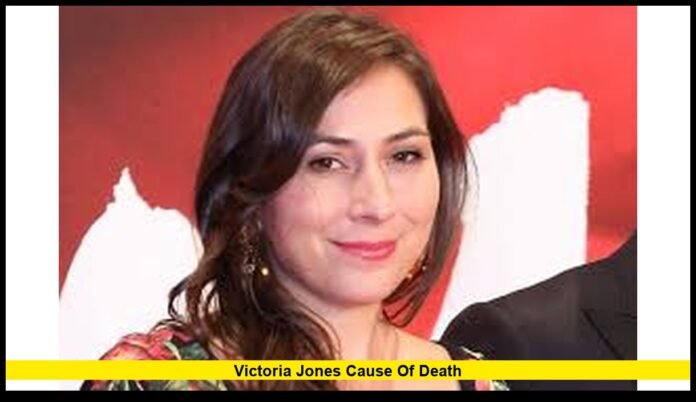

The topic of Victoria Jones cause of death has circulated widely across the internet in recent weeks, prompting readers to search for clarity. However, as of January 2026, there are no confirmed or verified reports from credible news organizations confirming the death of any well-known individual named Victoria Jones.
The growing curiosity around this name illustrates a much broader issue in today’s digital world — how easily misinformation can spread and how quickly it can be mistaken for fact. While social media can connect people instantly, it can also amplify false stories about sensitive topics such as illness or death.
This article explores the truth behind the ongoing search interest, explains why unverified stories gain traction, and provides clear steps for readers to verify what they encounter online.
What Is Known About Victoria Jones
At present, there is no confirmed record of the passing of a public figure named Victoria Jones. Searches across official databases, reputable media archives, and news monitoring systems show no announcements, obituaries, or verified reports regarding such an event.
Yet, the keyword has been trending across Google and social platforms like Facebook and X (formerly Twitter). This is not because of factual reporting, but rather due to repeated posts from unofficial pages speculating about the alleged death. Many of these posts lack named sources, dates, or verifiable details — all warning signs of inaccuracy.
It’s important to understand that the absence of credible confirmation does not automatically mean something is being hidden; instead, it typically means that the information being circulated is unfounded. In journalism, accuracy takes precedence over speed, and no established publication will report a death without official verification from a family representative or public record.
How Online Death Rumors Begin
The internet’s structure makes it easy for false reports to go viral, even without ill intent. In the case of Victoria Jones cause of death, the spread appears to have begun from small, unverified websites and anonymous social media accounts posting vague claims.
There are several reasons such rumors gain momentum so quickly:
- Emotional Appeal: Death-related headlines immediately capture attention, especially when the name sounds familiar.
- Algorithmic Amplification: Social platforms often prioritize posts with high engagement, even if they contain misinformation.
- Common Names: “Victoria Jones” is a name shared by many individuals globally, which can cause mix-ups and false associations.
- Lack of Verification Culture: Many users share content before confirming its accuracy, assuming repeated claims must be true.
Once shared a few hundred times, false stories can appear legitimate, especially when they are presented with professional-looking photos or headlines.
The Dangers of Sharing Unverified Information
False or premature reports about someone’s death are not harmless. They can cause real emotional harm to families, friends, and communities who may be blindsided by untrue news. In past incidents involving other public figures, relatives have had to publicly correct misinformation while grieving.
Publishing or sharing unconfirmed claims can also erode trust in legitimate journalism. When audiences encounter repeated hoaxes, they often become skeptical of all reporting — even the factual kind. This erosion of trust affects not only media institutions but also public discourse.
In the United States, where information moves faster than ever through digital platforms, responsible consumption and sharing of news are crucial. Every user now functions as part of the information ecosystem, meaning each share or repost contributes either to clarity or confusion.
How to Verify a Report Like “Victoria Jones Cause of Death”
When a story about a death surfaces online, there are several steps readers can take to determine its accuracy before believing or sharing it:
- Check Major News Outlets: Genuine news is almost always reported by multiple credible publications such as CNN, Reuters, or major city newspapers.
- Look for Official Statements: Confirmation typically comes from family representatives, police departments, or hospitals — not anonymous posts.
- Confirm the Publication Date: Many false stories reuse old or unrelated articles, leading readers to assume current events.
- Compare Multiple Sources: Real stories appear consistently across independent outlets; hoaxes often circulate only on a few small sites.
- Avoid Sensational Headlines: Exaggerated language is a common indicator that a story prioritizes clicks over truth.
Using these simple verification steps helps prevent the spread of misinformation while encouraging a culture of accuracy and respect.
Responsible Journalism and Ethical Reporting
In professional journalism, deaths are treated with the utmost sensitivity. Reporters confirm details through multiple channels before publishing, ensuring both factual accuracy and respect for those involved.
Ethical journalists follow key principles such as:
- Verification: Confirming facts with official records or direct representatives.
- Accountability: Correcting errors quickly if misinformation is published.
- Respect for Privacy: Avoiding intrusion into private lives during periods of grief.
- Transparency: Stating what is known and what is not confirmed.
This is why, in the current situation, no verified publication has released any statement about a “Victoria Jones cause of death.” The silence from credible outlets is not an oversight — it’s a reflection of ethical responsibility.
Why Names Like “Victoria Jones” Create Confusion
“Victoria Jones” is a common name, shared by numerous people worldwide in different professions. This overlap can easily cause mistaken identities online, particularly when a lesser-known local story or private obituary gets misinterpreted as referring to a public figure.
This confusion increases when AI-generated or automated content scrapes public data and reuses it without context. Over the past few years, many false “death reports” have originated from automated websites producing unsourced content purely for advertising revenue.
To readers, these pages often look credible — complete with stock photos and formal language — but they lack any real human journalism behind them. This phenomenon has played a major role in spreading baseless stories like the supposed “Victoria Jones cause of death.”
The Role of Digital Literacy
Digital literacy has become essential for navigating today’s information landscape. Recognizing credible sources, analyzing context, and understanding how algorithms prioritize content are now basic life skills.
For stories involving life and death, this literacy carries moral importance. Verifying information before sharing honors truth and prevents unnecessary distress. Schools, community organizations, and media outlets across the U.S. are increasingly integrating media education to combat misinformation — a trend that reflects just how significant this issue has become.
Readers should ask themselves three questions before engaging with a story:
- Who published this information, and can I trust them?
- Has this story been confirmed by more than one credible outlet?
- What evidence supports the claim being made?
If these answers are unclear, the safest course of action is not to share the content further.
Understanding the Real Impact of Hoaxes
False death rumors may seem trivial at first, but they have real-world effects. Families can experience distress, reputations can be damaged, and online users may lose faith in journalism as a whole.
For instance, celebrity death hoaxes have previously led to trending hashtags mourning people who were alive and well. Some public figures have had to issue statements clarifying that they are alive — an uncomfortable and unnecessary situation.
When misinformation like Victoria Jones cause of death circulates, it reflects the larger challenge of ensuring truth remains valued in the digital age. Public figures, journalists, and readers alike share the responsibility of verifying before amplifying.
Why Accuracy Matters More Than Speed
In the race to publish first, some online platforms compromise on accuracy — but responsible journalism operates differently. Verified reporting prioritizes truth, context, and sensitivity, especially when it involves human life.
For readers, this means valuing patience over immediacy. It’s better to wait for confirmation than to share a story that later proves false. The pause to fact-check not only protects credibility but also preserves compassion for those potentially affected.
The conversation surrounding the “Victoria Jones cause of death” keyword is therefore less about a single story and more about a collective responsibility: to ensure that truth prevails over speculation.
The Broader Lesson for News Consumers
The search interest in Victoria Jones cause of death is an important reminder that misinformation thrives in uncertainty. When details are scarce, people naturally fill in the blanks — and that’s where falsehoods gain ground.
The solution lies in awareness. By applying critical thinking and practicing restraint, readers can protect themselves and others from being misled.
For content creators, journalists, and everyday social media users, the same principle applies: accuracy must come before amplification. The truth will always surface, but once falsehoods spread, they are difficult to retract.
Final Word
As of January 2026, there are no verified reports confirming the death of any person named Victoria Jones from credible or official sources. Any article or post claiming otherwise remains unsubstantiated and should be approached with caution.
The growing attention around this topic underscores the need for responsible information sharing and stronger media literacy. In an age when misinformation can spread faster than facts, truth remains our best defense.
Readers are encouraged to verify news before sharing and to value accuracy over immediacy — especially when lives, reputations, or families may be affected.