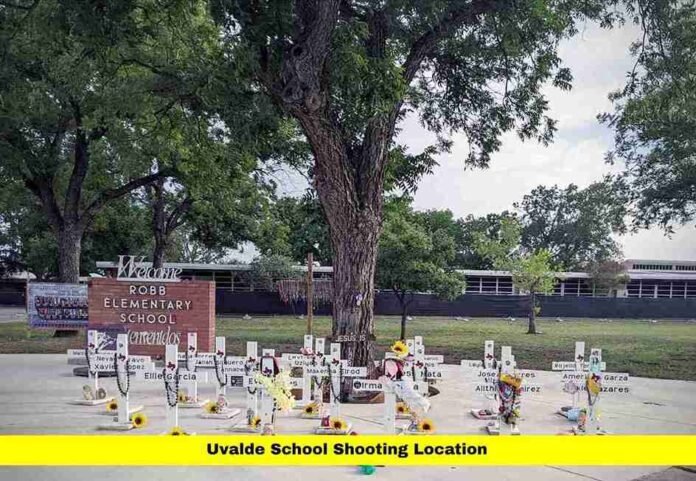

The Uvalde school shooting location remains a symbol of tragedy and resilience, reflecting the lives lost and the community’s ongoing healing efforts. The site has been rebuilt, memorialized, and continues to influence school safety policies, mental health support, and emergency preparedness nationwide. Its legacy serves as a reminder of the importance of accountability, preparedness, and collective action in protecting students and educators.
The events at the Uvalde school shooting location remain one of the most significant and tragic moments in recent American history. Robb Elementary School in Uvalde, Texas, became the site of a devastating attack that claimed the lives of 19 children and two teachers on May 24, 2022. The tragedy not only reshaped the lives of families directly affected but also triggered nationwide discussions on school safety, emergency response protocols, mental health support, and the responsibilities of law enforcement in critical situations. Today, the site continues to symbolize both a painful past and the ongoing efforts toward recovery, remembrance, and education.
This article offers an in-depth examination of the site, its history, the events that occurred, the community’s response, memorial initiatives, legal developments, educational implications, and ongoing recovery efforts. It aims to provide U.S. readers with a factual, engaging, and comprehensive understanding of the location and its continuing significance in public discourse.
Historical Overview of the School
Robb Elementary School served as a cornerstone of the Uvalde community long before the tragic events of 2022. Located in a city with a rich cultural heritage and strong family ties, the school primarily served students in second through fourth grades. It was known for fostering a nurturing environment where educators emphasized academic growth, social-emotional development, and a sense of civic responsibility.
The school’s mission extended beyond standard academic instruction. It functioned as a hub for the local community, hosting events, cultural programs, and extracurricular activities that encouraged students to develop holistically. Teachers and staff were deeply connected to the families they served, and many students had siblings, parents, or relatives who had attended the school in previous years. This historical context underscores the depth of loss and trauma experienced when the events of May 24, 2022, unfolded.
Timeline of the Incident
On the morning of May 24, 2022, the perpetrator began a series of actions that culminated in the devastating attack on the school. He first engaged in violent acts outside the campus before forcing entry into the building. Inside, he targeted classrooms where children were engaged in lessons, taking the lives of 19 students and two educators. The attack lasted over an hour, during which law enforcement faced significant challenges in coordinating an effective response.
Despite the rapid arrival of local and federal officers, delays in entering the classrooms where the children were trapped have been widely discussed. These delays contributed to widespread scrutiny and raised urgent questions about active shooter protocols and the training of first responders in school settings.
Law Enforcement Response and Accountability
The law enforcement response to the attack became a focal point of public discussion and investigation. Dozens of officers arrived at the scene, yet miscommunication and procedural delays significantly impacted the effectiveness of the response. Subsequent reviews highlighted gaps in coordination, decision-making, and adherence to established safety protocols.
Several law enforcement officials involved in the response have faced legal scrutiny, with ongoing investigations examining their roles in the delayed intervention. These proceedings underscore the critical need for comprehensive training and clear protocols in school emergencies, and they continue to influence policy discussions and law enforcement practices nationwide.
Community Impact and Healing Efforts
The Uvalde community experienced profound grief in the aftermath of the attack. Families of the victims, as well as survivors, navigated a landscape of trauma, loss, and emotional upheaval. Local organizations, educators, and civic leaders mobilized to provide support, counseling, and mental health services to help students, parents, and staff process their experiences.
Healing efforts included community gatherings, vigils, and initiatives designed to foster solidarity and resilience. The collective response highlighted the strength and cohesion of the community, even in the face of unimaginable loss, and emphasized the importance of long-term support for those affected.
Rebuilding and the New School Campus
In response to the trauma associated with the original school site, the district decided to close and eventually demolish Robb Elementary School. A new campus, Legacy Elementary School, opened in 2025. This modern facility incorporates advanced security measures, including controlled access points, secure classroom designs, and technology to enhance emergency response.
The new campus also features memorial elements honoring the victims, including a courtyard with symbolic markers and dedicated spaces for reflection. Legacy Elementary represents both a physical and emotional rebuilding for the Uvalde community, providing a safe environment for learning while preserving the memory of those lost.
Memorialization and Commemoration
Memorial efforts at and around the school site ensure that the events and victims remain part of the community’s collective memory. Permanent and temporary memorials, including plaques, public art installations, and landscaped spaces, allow residents and visitors to engage with the site thoughtfully. Annual ceremonies, vigils, and service projects provide opportunities for reflection and community engagement, emphasizing remembrance and resilience.
These efforts also serve an educational purpose, reinforcing the importance of safety, awareness, and civic responsibility for future generations.
Educational and Policy Implications
The incident prompted widespread examination of school safety protocols, emergency preparedness, and the integration of mental health services in educational settings. Schools across the country have reviewed active shooter procedures, communication strategies, and training programs for staff and students.
The Uvalde case has influenced policy discussions around emergency response, highlighting the need for clear leadership, coordinated action, and well-practiced protocols. Districts have increasingly implemented preventative measures, including mental health programs, safety drills, and partnerships with local agencies to enhance student protection.
Mental Health and Survivor Support
Recognizing the emotional toll of the tragedy, the community has prioritized mental health support for students, staff, and families. Counseling services, support groups, and therapeutic programs have been established to address grief, trauma, and anxiety. Schools and local organizations continue to provide resources to help children process their experiences and build coping strategies.
Ongoing support emphasizes the need for long-term mental health strategies in the wake of school-based violence, ensuring that survivors and families receive the care necessary to foster healing and resilience.
Legal Developments and Accountability
Legal proceedings remain a central aspect of the ongoing story surrounding the school site. Several law enforcement officers have faced investigations and charges related to their handling of the emergency response. Civil litigation from families of victims and survivors continues to examine institutional accountability and the adequacy of safety measures.
These legal efforts are critical not only for justice but also for shaping future policy and training protocols in schools nationwide. They demonstrate the importance of transparency, accountability, and systemic improvement in emergency preparedness and public safety.
Community Initiatives and Long-Term Recovery
Beyond immediate support, Uvalde has invested in long-term initiatives to enhance safety, education, and community engagement. Scholarship programs for students affected by the tragedy, mentorship opportunities, and youth leadership initiatives help foster resilience and future growth. Partnerships with local organizations and businesses provide additional resources, from internships to educational enrichment programs.
These initiatives reflect a commitment to rebuilding not only the physical infrastructure but also the social and emotional fabric of the community. They highlight the power of collective action and the importance of sustained investment in healing and prevention.
National Impact and Reflection
The attack at Uvalde continues to influence national discussions on school safety, gun violence prevention, and emergency response protocols. Policymakers, educators, and safety experts reference the location when assessing current practices and developing reforms. The tragedy has underscored the necessity of coordinated response strategies, mental health integration, and proactive safety planning in schools.
By examining the Uvalde experience, communities across the country are better equipped to implement preventative measures and respond effectively to crises, ultimately aiming to safeguard children and educators.
Legacy and Lessons Learned
The school site serves as both a memorial and a powerful reminder of the need for systemic improvements in safety, mental health support, and community cohesion. It symbolizes the strength of survivors and the resilience of a community that has worked tirelessly to honor those lost.
Lessons from Uvalde extend beyond the local context, influencing national policy, educational practices, and community preparedness. The legacy includes both the lives lost and the ongoing efforts to ensure that schools remain safe, supportive, and nurturing spaces for children.
The story of Uvalde, its school, and the community continues to evolve. Share your thoughts and stay engaged with the ongoing journey of remembrance, learning, and healing.