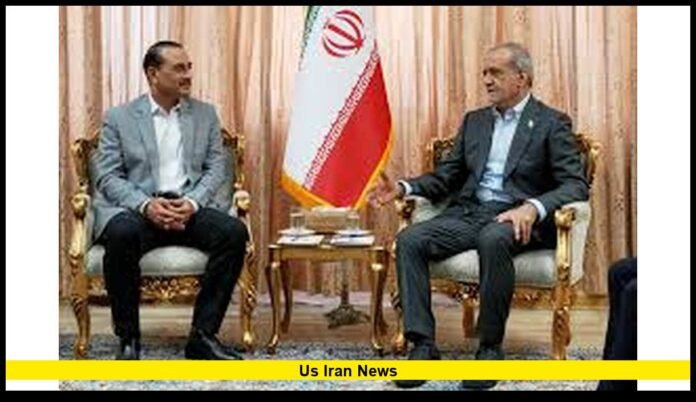

US Iran news remains one of the biggest international stories for American readers as diplomatic negotiations between Washington and Tehran continue to move forward amid regional tensions, oil market concerns, and growing pressure from global allies. The Trump administration confirmed that discussions involving sanctions, shipping access through the Strait of Hormuz, and future nuclear agreements have entered a critical stage.
President Donald Trump recently stated that negotiators have made substantial progress toward a possible arrangement designed to reduce military tensions and stabilize the region. Iranian officials have acknowledged ongoing diplomatic communication while also insisting that Tehran will protect its strategic and national security interests.
The negotiations arrive during a volatile moment in the Middle East. Military deployments, economic restrictions, regional proxy conflicts, and concerns about Iran’s nuclear capabilities have all contributed to months of uncertainty. For the United States, the outcome could influence energy prices, military strategy, and diplomatic relationships across the region.
Why the Current Negotiations Matter
The latest diplomatic push has drawn global attention because the stakes extend far beyond Washington and Tehran.
The Strait of Hormuz remains one of the world’s most important shipping routes for oil and natural gas exports. Any disruption in that area can affect fuel prices in the United States within days. American consumers have already experienced price fluctuations linked to instability in the Middle East this year.
The Trump administration now faces pressure to avoid a broader regional conflict while also maintaining a tough position on Iran’s nuclear program and military activities.
At the same time, Iran continues to deal with heavy economic pressure caused by sanctions, trade restrictions, and reduced international investment.
Both governments appear eager to avoid another cycle of escalation that could destabilize the region even further.
Trump Signals Optimism About a Potential Agreement
President Trump has repeatedly signaled confidence that negotiations are moving in a positive direction.
During recent meetings with advisers and regional allies, Trump stated that both sides had become “much closer” to reaching an understanding. He also emphasized the importance of reopening and protecting commercial shipping routes in the Persian Gulf.
Administration officials reportedly believe that even a temporary agreement could help reduce military risks while allowing longer-term discussions to continue later in the year.
Several major topics remain central to the negotiations:
- Future sanctions policy
- Regional military activity
- Maritime security
- Iran’s nuclear program
- Oil shipping protections
- International inspections
The White House continues to present the talks as part of a broader strategy aimed at preventing conflict while protecting American interests overseas.
Iran Maintains a Firm Position
Iranian leaders continue to publicly reject outside pressure despite ongoing negotiations.
Officials in Tehran insist that the country will not surrender its right to maintain national security capabilities. Iranian representatives also continue demanding relief from economic sanctions that have affected trade, energy exports, and banking access.
Iranian state media has emphasized that Tehran wants negotiations based on mutual respect rather than threats or military pressure.
Leaders inside Iran remain especially focused on preserving strategic influence in the Strait of Hormuz. The narrow waterway carries a significant percentage of the world’s oil exports, making it one of the most important economic corridors on the planet.
Iranian officials argue that foreign military pressure near the strait threatens regional stability. American officials, however, insist that international shipping routes must remain open without interference.
That disagreement remains one of the largest obstacles to a final agreement.
Strait of Hormuz Continues to Shape Global Markets
Energy markets remain highly sensitive to every development involving the Strait of Hormuz.
The route connects Gulf oil producers to global markets, including the United States, Europe, and Asia. When tensions rise in the region, shipping insurance costs increase and traders begin preparing for potential supply disruptions.
American drivers have already felt the economic impact of instability in the Middle East this year. Fuel prices moved higher during several periods of military escalation and shipping uncertainty.
The Trump administration appears determined to prevent another major energy shock during the busy summer travel season.
Business leaders and investors are also watching negotiations closely because oil prices influence transportation costs, airline operations, manufacturing expenses, and overall inflation.
If diplomatic progress continues, markets could stabilize. However, any major setback in negotiations could quickly trigger another wave of volatility.
Pakistan and Gulf States Step Into Mediation Efforts
Pakistan has emerged as one of the key diplomatic players in the current negotiations.
Field Marshal Asim Munir recently traveled to Tehran for high-level discussions with Iranian leadership. Pakistani officials later described the meetings as constructive and confirmed that diplomatic coordination remains active.
Several Gulf countries have also increased efforts to support communication between Washington and Tehran.
Saudi Arabia, Qatar, the United Arab Emirates, Egypt, and Turkey have all participated in regional consultations connected to the ongoing negotiations.
These governments share a common concern: a wider conflict involving Iran could create severe economic and security consequences across the Middle East.
Regional leaders appear focused on preventing another major military confrontation while also protecting oil exports and shipping infrastructure.
Nuclear Talks Remain Central to US Iran News
Iran’s nuclear program continues to dominate discussions between both sides.
The United States has pushed for stronger monitoring measures, limits on uranium enrichment, and additional international inspections. American officials remain concerned about Iran’s growing technical capabilities and long-term nuclear development plans.
Iran continues insisting that its nuclear activities remain peaceful and designed for civilian energy purposes.
Tehran also argues that previous agreements failed because economic sanctions remained in place despite earlier commitments.
Several major issues still separate both governments:
| Key Issue | U.S. Position | Iran’s Position |
|---|---|---|
| Uranium Enrichment | Strict limits | Continued peaceful development |
| Sanctions | Gradual relief | Major reductions |
| Inspections | Expanded international oversight | Limited foreign interference |
| Regional Activity | Reduced proxy involvement | Defense partnerships remain necessary |
| Maritime Security | Open shipping access | Protection of Iranian sovereignty |
Negotiators continue working through these disputes while trying to avoid another diplomatic collapse.
Israel Closely Monitoring Developments
Israel remains deeply involved in discussions surrounding Iran and regional security.
Prime Minister Benjamin Netanyahu continues holding consultations with President Trump and senior American officials regarding the ongoing negotiations.
Israeli leaders have repeatedly warned that Iran’s nuclear capabilities represent a major threat to regional stability. They also remain concerned about Iranian support for armed groups operating throughout the Middle East.
Military activity connected to Hezbollah and regional proxy networks continues to complicate diplomatic efforts.
The Trump administration now faces the challenge of balancing diplomatic negotiations with strong support for Israeli security interests.
Some American lawmakers have also expressed concern that easing sanctions too quickly could allow Tehran to strengthen military operations throughout the region.
Read More – Trump Iranian Port Blockade
Ceasefire Discussions Gain Momentum
Diplomatic officials are currently working on proposals connected to a possible ceasefire extension between the United States and Iran.
The proposed arrangement could create additional time for broader negotiations involving security, nuclear oversight, and economic measures.
Current discussions reportedly include:
- Reduced military activity
- Protection of shipping routes
- Limited sanctions adjustments
- Security coordination
- Future diplomatic meetings
Although negotiators have not announced a final agreement, recent progress has reduced immediate fears of a wider military conflict.
Both governments appear interested in preventing another escalation that could destabilize energy markets and increase regional tensions.
Economic Pressure Continues to Influence Negotiations
Economic concerns remain one of the driving forces behind the current diplomatic push.
Iran continues facing significant financial strain caused by sanctions, inflation, and trade limitations. The country’s energy sector has experienced ongoing pressure due to export restrictions and international banking challenges.
The United States also faces economic considerations.
American consumers remain highly sensitive to fuel prices, especially during the summer travel season. Rising oil costs can quickly influence inflation, transportation expenses, and public confidence in the economy.
The Trump administration appears aware that instability in the Middle East could create broader economic problems at home.
That reality has increased pressure on both sides to continue negotiations instead of allowing tensions to spiral further.
Military Tensions Still Create Risks
Despite diplomatic progress, military risks have not disappeared.
American forces remain active throughout the Middle East, including naval operations connected to maritime security and regional defense coordination.
Iran also continues military exercises and strategic patrols near important shipping routes.
Regional conflicts involving armed groups in Lebanon, Syria, Iraq, and Yemen continue adding pressure to an already fragile situation.
Defense analysts warn that even a minor confrontation could quickly disrupt negotiations and trigger broader instability.
For now, however, both governments appear focused on preventing direct military escalation.
How the Situation Impacts Americans
Many Americans follow US Iran news because events in the Middle East often affect daily life in the United States.
Several key areas could be influenced by the outcome of negotiations:
Gasoline Prices
Oil market disruptions often lead to higher fuel costs across the United States.
Stock Market Volatility
Global uncertainty can affect investor confidence and financial markets.
Military Involvement
Any major escalation could increase pressure for additional American military operations overseas.
Global Trade
Shipping disruptions in the Persian Gulf can affect supply chains and transportation costs.
Foreign Policy
The outcome of negotiations may shape America’s broader diplomatic strategy in the Middle East for years to come.
These factors help explain why the negotiations continue receiving enormous political and media attention across the country.
Diplomatic Challenges Remain Significant
Although recent talks have produced signs of progress, several major disputes remain unresolved.
Negotiators still disagree on:
- Long-term sanctions policy
- Uranium enrichment limits
- Military oversight
- Regional proxy activity
- Future enforcement measures
- Inspection access
Political pressure inside both countries also complicates negotiations.
Hard-line voices in Washington continue demanding tougher restrictions on Tehran. Meanwhile, Iranian leaders face internal pressure not to appear weak during discussions with the United States.
That political tension makes every stage of negotiations more difficult.
Global Leaders Continue Watching Closely
World leaders continue monitoring developments between Washington and Tehran because the consequences extend far beyond the Middle East.
Energy markets, defense alliances, global shipping networks, and international diplomacy could all be affected by the outcome of the current negotiations.
European governments have also encouraged continued diplomacy while urging both sides to avoid military escalation.
Meanwhile, investors and energy companies continue analyzing every public statement from officials connected to the talks.
For now, diplomatic communication remains active and both sides appear willing to continue discussions despite major disagreements.
What Could Happen Next
Several developments may unfold during the coming weeks:
Possible Temporary Agreement
Negotiators could announce a short-term framework designed to reduce immediate tensions.
Additional Nuclear Discussions
Longer-term talks involving inspections and uranium enrichment could continue through the summer.
Regional Security Coordination
The United States, Israel, and Gulf allies may strengthen military coordination during negotiations.
Economic Adjustments
Limited sanctions relief or trade measures could become part of future agreements.
Continued Diplomatic Mediation
Pakistan and Gulf states are expected to remain heavily involved in communication efforts.
Although uncertainty remains, current diplomatic momentum has lowered fears of an immediate regional war.
US Iran News Continues to Dominate Global Attention
The current negotiations between Washington and Tehran represent one of the most important foreign policy stories of 2026.
President Trump continues pushing for an agreement that reduces military tensions while protecting American strategic interests. Iranian leaders continue demanding economic relief and recognition of national security priorities.
At the center of the negotiations sits the Strait of Hormuz, global energy security, and the future of Iran’s nuclear program.
The coming weeks could determine whether diplomacy succeeds or whether tensions rise once again across the Middle East.
For millions of Americans, the outcome may influence energy prices, economic stability, and U.S. foreign policy far beyond this year.
What are your thoughts on the latest developments between the United States and Iran? Share your opinion and stay tuned for more updates on this rapidly changing global story.