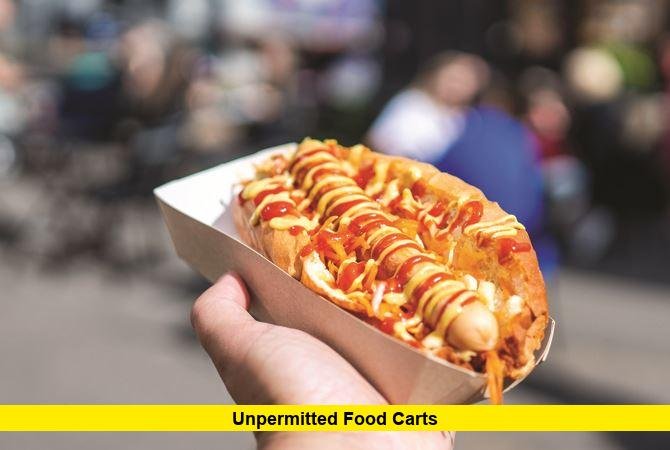

The City of Everett is advancing new legislation aimed at curbing the spread of unpermitted food carts operating across public streets, sidewalks, and commercial corridors. City leaders say the measure is designed to protect public health, support law-abiding businesses, and give enforcement agencies clearer authority to shut down food vending operations that ignore existing rules.
Over the past year, Everett has seen a noticeable rise in mobile food vendors selling hot meals, snacks, and beverages without required permits. These operations often appear late at night or in high-traffic areas and disappear before inspectors can respond. The proposed ordinance seeks to close those gaps and bring consistency to how mobile food vending is regulated within city limits.
Community members are encouraged to stay informed and take part in the discussion as the city considers changes that could reshape Everett’s street-food landscape.
Why Everett Is Addressing the Issue Now
City officials say complaints from residents, brick-and-mortar restaurant owners, and licensed food truck operators have increased steadily. Many of those complaints focus on food safety risks and unfair competition.
Licensed food businesses must meet strict standards. They undergo health inspections, maintain sanitation systems, secure business licenses, and follow zoning rules. Unpermitted vendors bypass these steps, allowing them to operate with lower costs while avoiding oversight.
City leaders argue that this imbalance hurts compliant businesses and creates potential health risks for customers who have no way of knowing whether food was prepared safely.
Share your thoughts with your community and stay engaged as the city debates how best to manage street vending.
What the Proposed Ordinance Covers
The proposed law would clearly define mobile food vending activity and establish enforcement authority at the city level. Under the ordinance, anyone selling prepared food from a cart, stand, tent, or similar setup would be required to hold:
• A valid Everett business license
• An approved food service permit from the county health authority
Operating without these approvals would be considered a criminal offense. Violations could result in misdemeanor charges, while repeat or aggravated cases could lead to more serious penalties.
The ordinance also allows city enforcement officers to verify permits on site and order immediate shutdowns when vendors fail to comply.
Health and Safety at the Center of the Debate
Public health concerns are a major driver behind the proposal. Food sold by unpermitted vendors is not subject to routine inspections. That means there is no verification of proper cooking temperatures, refrigeration, handwashing access, or food storage practices.
Health officials have warned that these conditions can increase the risk of foodborne illness. Improper handling of meat, dairy, or produce can expose customers to contamination that would otherwise be prevented through regular inspections.
City leaders emphasize that the ordinance is not about eliminating street food but about ensuring that food sold in public spaces meets the same safety standards required of restaurants and licensed food trucks.
Impact on Local Businesses
Restaurant owners in Everett have voiced strong support for the proposed changes. Many say they struggle to compete with vendors who operate without permits and avoid compliance costs.
Licensed food truck operators also support clearer enforcement. They note that the permitting process already exists and that compliant vendors should not be undercut by operators who ignore the rules.
The city believes that consistent enforcement will help restore fairness and encourage aspiring vendors to follow legal pathways into the food business.
Rules Around Location and Operations
In addition to permit requirements, the ordinance outlines where and how mobile food vendors may operate. Restrictions are designed to reduce safety hazards and congestion.
Vendors would be prohibited from operating in areas such as:
• Fire lanes and emergency access zones
• Bus stops and transit loading areas
• Sidewalks that block pedestrian movement
• Driveways and utility access points
• Parking spaces reserved for people with disabilities
The city says these restrictions are meant to improve public safety and ensure accessibility for all residents.
Enforcement Authority and Penalties
One of the most significant aspects of the ordinance is its enforcement framework. City police and designated officials would have clear authority to investigate suspected violations and take immediate action.
Penalties may include fines, criminal charges, and seizure of equipment in certain circumstances. The city believes that clear consequences are necessary to deter repeat violations and discourage illegal operations from reopening after shutdowns.
Officials stress that enforcement will focus on compliance rather than punishment, encouraging vendors to obtain permits rather than operate underground.
Concerns From Community Advocates
Some community members are watching closely to ensure that enforcement is applied fairly. Street vending advocates note that mobile food businesses can provide economic opportunities, especially for new entrepreneurs.
City officials say the ordinance does not prevent anyone from operating a food cart legally. Instead, it reinforces the importance of following existing health and business regulations designed to protect consumers.
Public input is expected to play a key role as the city finalizes the ordinance.
What Happens Next
The Everett City Council is expected to continue discussions on the proposed law, including public hearings where residents and business owners can share feedback.
If adopted, the ordinance would take effect later this year, giving vendors time to come into compliance before stricter enforcement begins.
City leaders say the goal is balance—supporting a vibrant local food scene while maintaining safety, fairness, and accountability across Everett’s public spaces.
Everett’s approach reflects a broader effort to protect public health while creating a fair environment for all food vendors operating in the city.
Join the conversation below and stay connected as Everett moves closer to a final decision on this important issue.