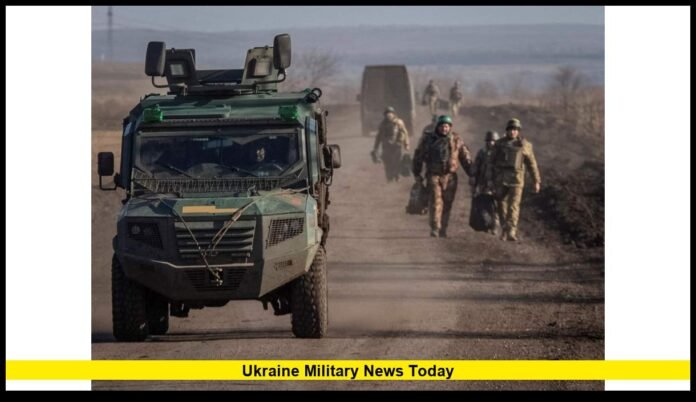

Ukraine’s armed forces continue to face persistent pressure along multiple sections of the front line. Fighting remains intense near key transport routes, fortified positions, and long-contested areas that hold tactical value for both sides.
Ukraine military news today centers on active combat across eastern and southern fronts, continued Russian strikes using missiles and drones, and Ukraine’s determined effort to defend territory while maintaining operational strength. Military conditions remain fluid, with daily engagements shaping the broader direction of the war and influencing security calculations well beyond Eastern Europe.
Frontline Conditions and Combat Activity
Ukraine’s armed forces continue to face persistent pressure along multiple sections of the front line as combat activity remains steady and highly contested. The fighting is concentrated around key transport routes, defensive strongpoints, and long-disputed areas that are critical for maintaining supply flow and operational control. These locations hold tactical importance because even small territorial shifts can affect logistics, troop movement, and battlefield visibility.
Ukrainian units prioritize holding established defensive lines while actively disrupting Russian advances. This approach combines prepared fortifications with flexible troop movement, allowing commanders to respond quickly to localized threats. Rather than relying solely on static defense, Ukrainian forces aim to slow enemy momentum, inflict losses, and prevent Russian units from consolidating positions.
Russian forces continue to apply pressure through sustained artillery barrages, the use of aerial bombs, and repeated infantry assaults. These tactics are designed to wear down Ukrainian defenses over time rather than achieve rapid breakthroughs. Massed firepower remains a central element of Russian operations, especially in areas where terrain favors prolonged engagements.
Current battlefield dynamics are shaped by several constant factors:
- Frequent close-range engagements between infantry units, often involving small assault groups testing defensive positions
- Heavy and sustained artillery fire intended to weaken fortifications and disrupt command coordination
- Continuous reconnaissance and strike activity using drones to locate targets and adjust fire
- Ongoing efforts by both sides to secure or disrupt supply corridors essential for sustaining combat operations
Drone activity has become especially influential at the frontline. Unmanned systems provide near-constant surveillance, making concealment difficult and forcing units to adapt through rapid movement and electronic countermeasures. This environment increases the pace of engagements and reduces reaction time during attacks.
Despite the intensity of daily clashes, verified military conditions show no confirmed large-scale breakthrough by either side. The front remains largely defined by incremental gains, tactical withdrawals, and defensive adjustments. Control of territory often shifts in small increments, underscoring the grinding nature of the conflict and the continued emphasis on endurance rather than swift advances.
Airspace Control and Missile Threats
Airspace remains contested as Russia continues to launch missiles and unmanned aerial systems against military-related targets. Ukraine places strong emphasis on intercepting these threats to protect command centers, logistics hubs, and troop concentrations.
Air defense operations combine mobility with layered protection. Ukrainian forces deploy systems capable of countering cruise missiles, ballistic threats, and drones, while adapting tactics to respond to evolving attack patterns.
Key air defense priorities include:
- Protecting frontline units from aerial surveillance
- Defending infrastructure essential to military operations
- Preserving limited interceptor stockpiles through selective engagement
Drone activity has increased on both sides, making aerial awareness a constant challenge.
Drone Operations and Battlefield Innovation
Unmanned systems play a central role in modern combat operations. Ukraine uses drones for reconnaissance, artillery adjustment, and precision strikes against high-value targets.
Domestic production of unmanned systems has grown, allowing faster deployment and customization based on battlefield feedback. These platforms provide commanders with real-time intelligence and reduce risks to personnel.
Russian forces also employ drones extensively, forcing Ukrainian units to adapt camouflage, electronic warfare, and rapid movement to avoid detection.
Drone warfare has shifted battlefield dynamics by:
- Shortening response times during engagements
- Increasing accuracy of indirect fire
- Expanding surveillance coverage across contested zones
This constant aerial presence shapes every phase of military planning.
Ground Forces and Defensive Strategy
Ukrainian ground forces remain central to the defense effort. Infantry units operate alongside armored vehicles, engineers, and artillery to maintain layered defenses and respond quickly to emerging threats.
Defensive strategy focuses on:
- Fortified positions to slow enemy movement
- Flexible deployments to counter localized attacks
- Combined arms coordination to maximize limited resources
Unit rotations and training remain critical as the war continues. Commanders aim to balance combat readiness with troop welfare, ensuring units remain effective under prolonged stress.
Manpower and Training Efforts
Sustaining adequate manpower remains an ongoing challenge. Ukraine continues to refine mobilization and training systems to ensure new recruits are prepared for modern combat conditions.
Training emphasizes:
- Small-unit tactics under drone surveillance
- Coordination with artillery and air defense
- Rapid adaptation to changing battlefield conditions
Experienced personnel play a key role in mentoring newer troops, helping maintain cohesion and discipline across units.
Western Military Assistance and U.S. Role
Support from the United States and allied nations remains a critical factor in Ukraine’s military posture. Assistance focuses on practical capabilities rather than symbolic measures, directly supporting frontline needs.
Confirmed areas of support include:
- Artillery ammunition and air defense interceptors
- Armored vehicles for troop movement and casualty evacuation
- Maintenance support for existing equipment
- Operational training conducted outside Ukraine
For American readers following ukraine military news today, U.S. involvement reflects broader commitments to regional stability and deterrence.
Logistics and Supply Chain Resilience
Military logistics remain under constant pressure from strikes aimed at depots, transport nodes, and repair facilities. Ukraine emphasizes redundancy and rapid recovery to sustain operations.
Logistical priorities include:
- Dispersing supplies to reduce vulnerability
- Maintaining road and rail access for military transport
- Accelerating equipment repair cycles
These measures help ensure frontline units remain supplied despite ongoing attacks.
Naval and Coastal Operations
Although large naval battles remain limited, maritime operations continue to shape the conflict. Ukraine employs asymmetric tactics to challenge Russian naval activity in contested waters.
Coastal defense efforts involve:
- Maritime drones targeting vessels and infrastructure
- Coastal missile systems limiting enemy movement
- Intelligence-driven operations focused on logistics
These actions constrain Russian naval freedom and influence regional security conditions.
Military Production Inside Ukraine
Ukraine’s defense industry has adapted to wartime demands, expanding production and repair capabilities. Domestic manufacturing supports drones, vehicle repairs, and ammunition components.
Key developments include:
- Faster innovation cycles based on frontline feedback
- Collaboration with foreign defense firms
- Increased self-sufficiency in critical areas
This industrial effort strengthens Ukraine’s ability to sustain prolonged military operations.
Russian Military Approach
Russian forces continue to emphasize attrition-based tactics, using volume of fire and manpower to apply steady pressure. Operations focus on wearing down Ukrainian defenses rather than rapid territorial expansion.
Russian military priorities include:
- Maintaining pressure along multiple fronts
- Targeting logistics and support infrastructure
- Consolidating control over occupied zones
While these efforts create constant strain, verified conditions show no decisive strategic shift.
Operational Impact on Infrastructure
Military-related infrastructure remains a frequent target. Facilities supporting defense operations face repeated attacks, requiring constant repair and adaptation.
Ukraine responds by:
- Rapidly restoring damaged facilities
- Dispersing critical assets
- Enhancing protection around key sites
These actions are vital for sustaining combat effectiveness.
Strategic Implications for the United States
The ongoing war continues to shape U.S. defense planning at multiple levels, from force readiness to long-term military modernization. Ukraine’s battlefield experience provides direct insight into how high-intensity conflicts unfold against a technologically capable adversary. These lessons are actively influencing how the United States evaluates its own military posture, stockpiles, and operational concepts.
One of the most immediate impacts involves defense production capacity. Sustained fighting has underscored the importance of maintaining adequate supplies of ammunition, air defense interceptors, and replacement parts. U.S. planners are paying closer attention to production timelines, industrial resilience, and the ability to surge output during prolonged conflicts. This focus affects budgeting decisions and long-term contracts with defense manufacturers.
The conflict has also reinforced the importance of alliance coordination. NATO interoperability, logistics integration, and shared command structures remain central to effective deterrence. U.S. military leadership continues to assess how joint operations, shared intelligence, and coordinated training improve collective defense readiness. These considerations extend beyond Europe and influence broader alliance strategies.
Modern warfare trends emerging from the conflict carry significant relevance for American forces. Drone integration has reshaped reconnaissance, targeting, and battlefield awareness. Air defense challenges highlight the need for layered systems capable of countering missiles, drones, and other aerial threats simultaneously. Electronic warfare, camouflage, and rapid adaptation now play a greater role in unit survival and mission success.
For U.S. audiences, ukraine military news today illustrates how overseas conflicts directly inform domestic security priorities. Lessons learned from Ukraine affect military doctrine, defense spending, and preparedness planning. These developments underscore why global security events remain closely tied to America’s national defense outlook.
Current Outlook
Based on confirmed military conditions, the war remains a test of endurance, adaptability, and sustained support. Daily combat activity continues without verified signs of imminent resolution.
Commanders on both sides prepare for ongoing operations, focusing on resource management and tactical flexibility rather than rapid conclusions.
Follow ongoing developments closely and join the conversation as events continue to shape the security landscape.