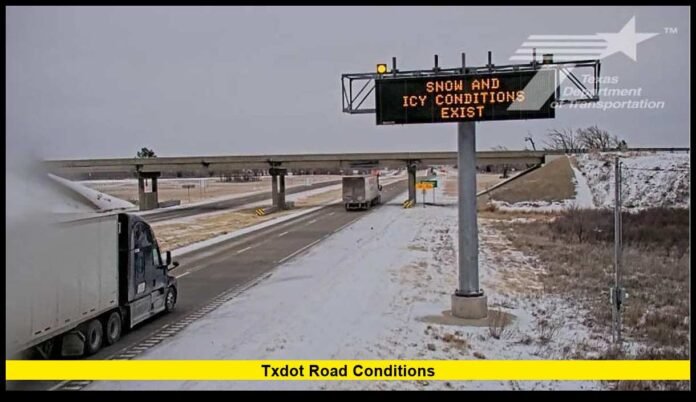

TxDOT road conditions are a daily priority for millions of drivers across Texas as the state continues to monitor traffic, construction, and weather-related hazards in real time. As of today, the Texas Department of Transportation (TxDOT) is actively tracking roadway conditions across urban highways, rural roads, and major interstates to help Texans travel safely and avoid unexpected delays.
Texas has the largest highway system in the United States. With that scale comes constant change. Lane closures, road work, crashes, and severe weather can affect travel at any hour. Staying informed about current TxDOT road conditions helps drivers make safer decisions before and during every trip.
What TxDOT Road Conditions Cover
TxDOT road conditions describe the official, real-time status of Texas roadways as monitored and reported by the Texas Department of Transportation. These updates are designed to give drivers a clear picture of how safe and accessible a road is at any given moment, while also highlighting factors that may slow traffic or require extra caution.
The primary goal of these reports is to support safer travel. By focusing on roadway safety, access, and traffic movement, TxDOT helps drivers make informed decisions before starting a trip or while already on the road. Conditions can change quickly, especially in a state as large and diverse as Texas, which is why updates are issued throughout the day.
Road condition updates commonly cover several critical areas that directly affect travel:
- Lane and shoulder closures: These may occur due to construction, emergency repairs, crashes, or disabled vehicles. Even a single closed lane can cause major delays on busy highways.
- Construction and maintenance zones: Ongoing projects often involve reduced speed limits, narrowed lanes, shifted traffic patterns, and the presence of road crews and heavy equipment.
- Traffic crashes and congestion: Accidents, stalled vehicles, and sudden slowdowns are tracked closely, especially on high-volume routes where backups can grow quickly.
- Flooded or icy roadways: Weather-related hazards are a major focus, particularly during heavy rain, winter storms, or rapid temperature changes that affect road surfaces.
- Reduced visibility from fog or smoke: Poor visibility can significantly increase crash risk, making timely alerts especially important during early morning hours or wildfire events.
To gather this information, TxDOT relies on a statewide network of traffic cameras, embedded roadway sensors, and direct coordination with state troopers and local law enforcement agencies. Maintenance crews and field inspectors also provide firsthand reports from active roadways, ensuring conditions are accurately assessed.
All incoming data is reviewed before being shared with the public. This process helps ensure that TxDOT road condition updates remain reliable, current, and relevant. As situations develop or improve, updates are adjusted to reflect the latest confirmed status, allowing drivers to respond appropriately and travel with greater confidence.
Why TxDOT Road Conditions Matter
Texas drivers travel long distances more often than drivers in most states. Even small delays can quickly turn into major disruptions.
Accurate TxDOT road conditions help drivers:
- Avoid closed or unsafe roads
- Plan alternate routes ahead of time
- Reduce the risk of crashes
- Save time and fuel
- Stay compliant with safety advisories
For emergency responders, freight carriers, and daily commuters, road condition awareness is not optional. It is essential.
Major Highways Frequently Affected
TxDOT oversees thousands of miles of roads across Texas, but some highways change more often than others. Heavy traffic, constant construction, and their importance to statewide travel make these routes more likely to appear in road condition updates.
These highways are monitored especially closely:
- Interstate 35: One of the busiest roads in Texas, I-35 runs through Dallas–Fort Worth, Austin, and San Antonio. Daily commuter traffic, major construction projects, and frequent slowdowns make conditions change quickly.
- Interstate 10: This major east–west route supports long-distance travel and commercial trucking. Lane closures, road work, and weather impacts often affect traffic along this highway.
- Interstate 45: Connecting Houston and Dallas, I-45 carries heavy traffic throughout the day. Crashes and construction near urban areas can lead to sudden delays.
- Interstate 20: Serving both cities and rural areas, I-20 often sees changing conditions due to freight traffic and maintenance work.
- Interstate 30: Traffic congestion is common near Dallas, especially during rush hours and ongoing construction periods.
- U.S. Highway 59: This route handles a mix of local commuters and long-haul vehicles, making it prone to traffic backups and lane restrictions.
- State Highway 130: Known for higher speed limits and toll sections, SH 130 requires close monitoring for incidents and maintenance activity.
Urban areas near Dallas–Fort Worth, Houston, Austin, and San Antonio generate the most frequent TxDOT road condition updates. Dense traffic and nonstop construction mean even small incidents can cause major delays. Checking conditions before driving through these corridors can help travelers avoid congestion and stay on schedule.
Construction and Maintenance Activity
Road construction is one of the most common factors affecting TxDOT road conditions. Texas continues to invest heavily in highway expansion, resurfacing, and bridge repair.
Construction-related updates may include:
- Overnight lane closures
- Long-term work zones
- Reduced speed limits
- Temporary traffic shifts
TxDOT schedules many projects during off-peak hours to reduce disruption. Even so, drivers should expect delays near active work zones and follow posted signage carefully.
Weather-Related Road Conditions
Weather plays a major role in Texas road safety. TxDOT closely tracks weather impacts across different regions of the state.
Common weather-related conditions include:
- Flooded low-water crossings
- Ice and freezing rain in winter events
- High winds affecting high-profile vehicles
- Reduced visibility from fog or dust
TxDOT crews are deployed during severe weather to place barricades, manage traffic flow, and inspect roadway damage. Drivers are strongly advised not to bypass barricades, especially during flooding events.
How TxDOT Updates Are Monitored
TxDOT road conditions are monitored through a statewide traffic management system. This system integrates multiple sources of verified data.
Key monitoring tools include:
- Highway cameras positioned across major routes
- Traffic sensors measuring speed and volume
- Reports from state troopers and local law enforcement
- Field inspections by TxDOT maintenance crews
Information is reviewed before being released to ensure accuracy and relevance. Updates may change rapidly when conditions improve or worsen.
Urban vs. Rural Road Conditions
Road conditions can vary widely depending on location.
In urban areas, updates often focus on congestion, crashes, and construction. Traffic volume is higher, and lane closures can cause significant backups during peak hours.
In rural areas, conditions may involve:
- Flooding on farm-to-market roads
- Construction with long detours
- Wildlife-related crashes
- Limited alternate routes
TxDOT encourages rural drivers to check conditions in advance, especially during bad weather.
Truck and Commercial Driver Considerations
Commercial drivers rely heavily on TxDOT road conditions for route planning. Weight restrictions, height clearances, and work zones can affect delivery schedules.
Important factors for truck drivers include:
- Construction zones with narrow lanes
- Bridge repair projects
- Wind advisories
- Accident-related closures
TxDOT works closely with freight partners to keep major trade corridors moving whenever possible.
Safety Tips When Road Conditions Change
Even with updated information, drivers must adjust behavior on the road. TxDOT emphasizes safety during changing conditions.
Key safety reminders include:
- Slow down in work zones
- Increase following distance during rain or fog
- Never drive through flooded roadways
- Obey posted speed limits and warning signs
- Stay alert for sudden traffic stops
Many serious crashes occur when drivers ignore changing road conditions or attempt risky shortcuts.
How Often Conditions Are Updated
TxDOT road conditions are monitored and updated continuously, both day and night, to reflect the most accurate roadway status possible. Because traffic incidents and weather events can develop rapidly, some updates are released within minutes once a situation has been confirmed by traffic management centers or field personnel.
The frequency of updates depends on how quickly conditions change. A single event can trigger multiple revisions as crews respond, lanes reopen, or hazards are cleared. Drivers may see conditions shift several times over a short period, especially on busy highways or during severe weather.
Road conditions often change quickly due to several factors:
- Clearing of a crash scene: Once emergency responders remove damaged vehicles and reopen lanes, traffic flow can improve rapidly.
- Completion of road work: Temporary closures or lane reductions may be lifted as scheduled work ends or shifts move off the roadway.
- Rising or receding floodwaters: Water levels can change within minutes, leading to sudden closures or reopenings, particularly in low-lying areas.
- Shifts in weather patterns: Rain, fog, ice, or high winds can appear or dissipate quickly, altering driving conditions with little warning.
Because of this constant movement, drivers are encouraged to check TxDOT road conditions shortly before starting long trips and to monitor updates during travel when possible. Roadside message boards provide real-time alerts for incidents, closures, and delays ahead, helping motorists adjust routes and driving behavior as conditions evolve. Staying alert to these updates can reduce travel disruptions and improve overall road safety.
Technology and Future Improvements
TxDOT continues to expand its use of technology to improve road condition reporting. Investments in smart infrastructure are helping provide faster and more accurate updates.
Current efforts focus on:
- Enhanced traffic camera coverage
- Improved data integration
- Faster response times during emergencies
- Clearer messaging for drivers
These improvements aim to reduce crashes and improve travel reliability statewide.
Why Staying Informed Matters Every Day
Road conditions are not only a concern during storms or construction seasons. Everyday traffic incidents can disrupt travel with little warning.
Checking TxDOT road conditions before heading out can prevent frustration and help drivers reach their destination safely. It also supports emergency response efforts by keeping unnecessary traffic away from problem areas.
Texas roadways are constantly changing. Awareness is the first step toward safer travel.
Stay aware of TxDOT road conditions, drive cautiously, and share your experiences or tips to help others stay informed on Texas roads.