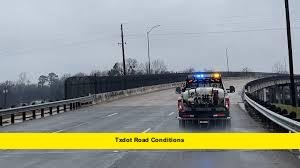

Texas drivers are facing a rapidly shifting travel landscape as winter weather, persistent rainfall, construction activity, and major traffic incidents combine to test the state’s vast highway network. From ice prevention operations in the south to congestion along key freight corridors and emergency closures in major metro areas, txdot road conditions have become a daily concern for commuters, long-haul truckers, and families planning regional travel.
Transportation crews are operating around the clock to maintain mobility and safety, while motorists are being urged to stay informed and flexible as conditions evolve.
Cold Weather Preparations in the Southern Plains
Unseasonably cold air moving into parts of South Texas has prompted extensive preventative work on highways, bridges, and elevated roadways. Maintenance teams are applying anti-icing treatments designed to reduce the formation of frost and thin layers of ice that can turn normal pavement into a hazard.
Overpasses and flyovers receive priority because they cool faster than surface roads and are more likely to freeze first. Crews are also inspecting drainage systems to prevent moisture from pooling and freezing overnight. These actions are aimed at keeping critical routes open for emergency services, school transportation, and commercial traffic.
Even when temperatures rise during the day, shaded sections of roadway may remain slick in the early morning hours, creating hidden risks for drivers traveling at highway speeds.
Rainfall Slows Traffic in Eastern Texas
While colder regions deal with freezing temperatures, parts of eastern and southeastern Texas are contending with steady rainfall. Wet pavement reduces tire grip, lengthens braking distances, and often leads to chain-reaction slowdowns during peak traffic periods.
Key interstate connectors and U.S. highways that carry industrial and port-related freight have seen congestion increase as motorists reduce speed and navigate around minor collisions and disabled vehicles. In urban areas, surface streets feeding into major freeways are also experiencing backups as traffic volume shifts in response to lane closures and weather conditions.
Drainage crews continue monitoring low-lying segments of roadway, especially near underpasses and frontage roads, where water can accumulate quickly during heavy showers.
Serious Wrecks Trigger Emergency Closures
Major crashes involving commercial vehicles have added to travel disruption in several metropolitan areas. When a large truck is involved, lane closures can extend for hours as first responders secure the scene, remove damaged equipment, and assess pavement integrity.
These incidents often create ripple effects far beyond the immediate crash site, pushing traffic onto alternate routes and causing congestion on secondary highways and city streets. Motorists attempting to bypass closures may encounter unfamiliar roadways and heavier-than-normal volumes, increasing the risk of secondary accidents.
Emergency management teams and traffic engineers coordinate closely during such events to restore normal flow as quickly and safely as possible.
Winter Operations Across Northern and Central Regions
In the northern half of the state, winter weather systems continue to influence travel conditions. Sanding trucks and brine sprayers are being deployed on interstates, major state highways, and critical freight corridors to reduce ice buildup and improve traction.
These treatments are part of a broader winter response strategy that prioritizes:
- Interstate highways and major U.S. routes
- Bridges, flyovers, and elevated connectors
- Roads serving hospitals, emergency facilities, and distribution hubs
Crews remain on standby overnight, when freezing temperatures pose the greatest risk. The goal is to prevent widespread closures while ensuring that any hazardous segments are treated promptly.
Construction Adds Another Layer of Complexity
Ongoing infrastructure projects are also influencing traffic patterns. Bridge repairs, pavement resurfacing, and interchange expansions require periodic lane reductions, ramp closures, and detours, often scheduled during nighttime hours to minimize disruption.
However, when construction activity coincides with bad weather or accidents, even temporary closures can lead to significant delays. Work zones demand lower speeds and heightened attention, as lane widths narrow and traffic shifts unexpectedly.
Motorists are encouraged to allow extra time for trips through known construction corridors and to watch for electronic message boards that provide real-time updates on lane availability.
Technology Plays a Key Role in Travel Decisions
Modern traffic management relies heavily on live data feeds, roadway sensors, and camera systems that track congestion, incidents, and weather impacts. This information allows transportation officials to respond quickly and gives drivers the ability to make informed choices before starting a trip.
Real-time updates can reveal:
- Sudden lane closures
- Developing traffic jams
- Weather-related hazards
- Slowdowns near work zones
By checking conditions in advance, drivers can select alternate routes, adjust departure times, or delay travel altogether when safety is a concern.
Commercial Transport and Supply Chain Impacts
Texas highways serve as vital arteries for the national supply chain, carrying everything from fuel and food to industrial equipment. Weather disruptions and major accidents can slow freight movement, affecting delivery schedules and increasing operating costs.
Truck drivers face unique challenges during winter events and heavy rain, as long stopping distances and reduced visibility demand cautious driving. Rest areas, fuel stops, and safe pull-off locations become especially important when conditions deteriorate.
Transportation agencies work closely with freight operators to prioritize key corridors and ensure that critical goods continue moving whenever possible.
Safety Guidance for Drivers
With conditions varying widely across the state, officials continue to emphasize defensive driving techniques:
- Reduce speed on wet or icy pavement
- Increase following distance to allow for longer stopping times
- Avoid sudden steering or braking
- Use headlights in rain, fog, or low-light conditions
- Be especially cautious on bridges and overpasses
- Follow all posted detours and work-zone instructions
These measures are essential for minimizing accidents and keeping traffic flowing during periods of heightened risk.
What the Coming Days May Bring
Forecasts indicate continued temperature swings and intermittent precipitation in several regions. As a result, maintenance and emergency response teams will remain active, monitoring pavement temperatures, treating road surfaces, and responding to incidents as they occur.
Traffic volumes are expected to remain high on urban loops, interstate corridors, and major commuter routes, particularly during morning and evening rush hours. Construction schedules will also continue, adding to the need for careful planning and awareness.
Drivers should expect conditions to change quickly and remain prepared to adapt their routes as necessary.
Staying Ahead of Changing Conditions
The combination of winter weather, rainfall, construction, and heavy traffic means that travel across Texas requires more attention than usual. Monitoring forecasts, checking live traffic information, and allowing extra time for trips can make the difference between a routine drive and a stressful delay.
As the situation continues to evolve, txdot road conditions will remain a central factor in daily travel planning for millions of Texans.