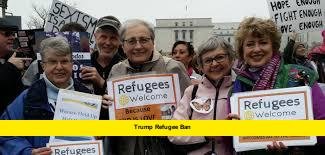

The Trump Refugee Ban has triggered one of the most dramatic overhauls of U.S. humanitarian policy in decades, setting off a chain reaction affecting refugee resettlement, asylum protections, legal immigration processing, and the stability of communities across the nation. As new directives take hold, families, service organizations, and local governments are navigating unprecedented uncertainty.
A New Era of Restrictive Refugee Policy
The United States has long positioned itself as a global safe haven for people escaping persecution, political instability, and war. That reputation is now undergoing a fundamental shift. The new refugee cap, set at a historic low, signals a sharp break from the resettlement traditions that defined previous decades.
Instead of operating under the robust humanitarian framework that supported admissions from diverse regions, the country is moving toward a narrower, more selective approach. This shift has left countless individuals abroad with no clear path to safety and has raised concerns about the long-term future of America’s refugee infrastructure.
At the same time, the resettlement network within the United States is experiencing its largest disruption on record, with agencies receiving fewer arrivals, reduced resources, and new directives that limit their ability to support refugees already here.
Suspension of Key Refugee Pathways
A central component of the new policy landscape is the suspension of multiple programs that previously supported refugee entry. For years, the United States relied on both government-led and community-based pathways to welcome newcomers. Those pathways have now been paused or dismantled.
The halt affects individuals at every stage of the process. Some had completed interviews and final security screenings. Others were weeks away from scheduled travel. Families who had spent years preparing for resettlement suddenly found themselves unable to move forward.
The interruption also affects refugees inside the United States. Many relied on structured support services to integrate successfully, including help securing employment, enrolling in school, accessing language classes, and meeting basic needs. With agencies urgently restructuring their operations, refugees face gaps in essential services, leaving some without housing stability or the resources needed to support themselves.
Asylum Processing Paused Across the Board
One of the most significant components of the immigration system—the asylum process—has also been paused under the new directives. This action affects people seeking protection at U.S. borders as well as individuals who have lived in the country for years but have pending claims.
Without the ability to proceed, asylum seekers face prolonged uncertainty. Many lack work authorization, making it difficult to support themselves or their families. Others face the fear that delays could negatively impact their cases, even though their claims remain unresolved through no fault of their own.
Legal professionals warn that the pause may lead to a backlog that takes years to unwind. Courts, already stretched thin, may experience rising case volumes once processing resumes, making it difficult for claimants to obtain timely decisions.
Re-Examination of Previously Admitted Refugees
Perhaps one of the most far-reaching changes is the decision to re-examine refugees who were admitted in previous years. This includes individuals who have lived in the United States for extended periods, built careers, raised families, and established deep community ties.
Many were nearing eligibility for permanent residence or citizenship before the new review procedures began. Their cases are now on hold, and they may be asked to provide new documentation, attend additional interviews, or undergo updated background checks.
For these individuals, the uncertainty is profound. A program designed to offer safety and stability has become unpredictable, leaving long-term residents fearful about the future of their legal protections.
Impact on Families Awaiting Reunification
Family reunification has been one of the pillars of the U.S. resettlement system for decades. Parents, children, spouses, and siblings often endured years of separation while completing the extensive application and vetting processes required for refugee status.
Under the new restrictions, these families face indefinite delays. Many have already passed multiple phases of security screening. Others were approved for travel and were preparing to join their loved ones. Their cases have now stopped without clear timelines for resumption.
This issue extends beyond individual families. In many communities, immigrants rely on relatives to provide financial support, childcare, and housing stability. When family members are unable to arrive as expected, households face increased economic strain.
Economic Consequences for Local Communities
Refugees have historically strengthened local economies in numerous ways. They fill labor shortages in fields such as manufacturing, health care, logistics, and agriculture. They open small businesses at high rates and contribute to tax revenues. Communities in the Midwest, the South, and other regions have credited refugee resettlement with revitalizing shrinking towns.
The sharp reduction in new arrivals is expected to affect these communities significantly. Employers facing worker shortages may struggle to maintain operations. Property markets in regions that relied on population growth driven by resettlement could stagnate. In some cases, school systems that benefited from increased enrollment may now face lower funding tied to student population counts.
Local governments and nonprofit organizations accustomed to receiving federal support for refugee integration also face major funding gaps. Without incoming arrivals, many agencies cannot sustain staff or maintain operations at previous levels, creating gaps in services for both new and longtime residents.
Humanitarian Concerns and Mental Health Impact
The human cost of the new policies is becoming increasingly visible. Many refugees waiting abroad face deteriorating conditions in temporary shelters and camps. Those already in the United States worry about re-screenings, paused benefits, and shifting criteria that could affect their legal standing.
For vulnerable individuals—including survivors of violence, torture, or trauma—uncertainty can trigger overwhelming stress. Counselors, community leaders, and nonprofit workers have reported increased anxiety among people fearing separation from their families or the loss of protections they believed were permanent.
Children are especially affected. Many have grown up adapting to American schools and neighborhoods. The possibility that their family members may lose the ability to reunite—or even the protections they currently have—creates emotional challenges with long-lasting effects.
Shifts in Global Perception of U.S. Leadership
For decades, the United States served as the world’s largest refugee resettlement country. Its policies shaped international standards and encouraged other nations to participate in refugee protection programs.
With the new restrictions, global perceptions are shifting. Some countries may adopt more restrictive policies of their own. Others may face increased pressure to absorb displaced populations without U.S. partnership or support.
Diplomatically, the changes raise questions about America’s long-held commitments to international humanitarian efforts. Aid organizations, foreign governments, and global institutions are adjusting their expectations as the U.S. recalibrates its role.
Community Response and New Support Efforts
Despite the policy changes, communities across the United States have mobilized to provide informal support for displaced individuals. Volunteers, faith groups, and local organizations are stepping in to help refugees navigate employment challenges, school enrollment issues, and legal questions.
These grassroots efforts highlight a divide between national policy and local sentiment. Many Americans continue to support offering protection to people fleeing violence and persecution. Their work cannot replace the infrastructure of a national resettlement system, but it demonstrates that humanitarian values remain strong in many parts of the country.
Political Implications and Future Outlook
Immigration policy remains one of the most polarizing issues in American politics. The Trump Refugee Ban has intensified debates about national security, border control, humanitarian responsibility, and the future of U.S. immigration priorities.
Some lawmakers advocate maintaining or expanding the current restrictions. Others argue that the system must return to its prior capacity to uphold longstanding American values. Legal challenges and congressional discussions are expected to continue shaping the future of the policy.
For families, advocates, and agencies directly affected, the most pressing question is how long the current framework will remain in place. Rebuilding the refugee and asylum system—should future policies shift—would require significant time, staffing, funding, and coordination.
Why This Moment Matters
The United States stands at a pivotal point in defining its approach to humanitarian protection. Policies implemented today will influence:
- Whether families separated by conflict can reunite
- How communities address workforce needs
- What responsibilities the nation assumes in global crises
- How safe refugees feel once they arrive
- Whether the U.S. continues its role as a leader in refugee resettlement
The long-term effects will shape not only the immigration system but also the nation’s identity and values.
And as these policies evolve, conversations about fairness, safety, and national responsibility are likely to take center stage in public life.
A Critical Keyword Moment
The broader societal implications of the Trump Refugee Ban underscore why this policy continues to dominate national and global discussion. Its sweeping changes touch nearly every corner of the immigration landscape and continue to influence how the world views the United States.
As these developments unfold, readers are encouraged to share their thoughts, raise questions, and engage in open conversation about how America should shape its humanitarian future.