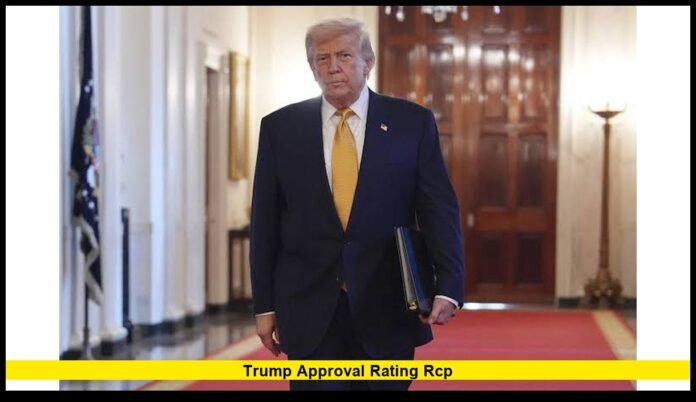

The Trump approval rating rcp remains one of the most monitored indicators of public opinion in the United States as voters continue to evaluate President Donald Trump’s job performance. RealClearPolitics polling averages provide a combined view of multiple national surveys, helping track changes in approval and disapproval ratings over time.
Presidential approval ratings are often used to understand how Americans respond to an administration’s policies, leadership style, and handling of major national issues. The RCP average does not represent a single survey result. Instead, it brings together available polling data to show a broader picture of public sentiment.
As new polls are released, the average can shift based on changes in voter attitudes, new events, and the issues receiving the most attention across the country.
Understanding Trump approval rating rcp Data
RealClearPolitics is widely recognized for collecting and displaying polling averages on major political topics, including presidential approval ratings. The platform combines results from different polling organizations to create an overall measurement.
Approval ratings generally include three categories:
- Approve: People who support the president’s job performance.
- Disapprove: People who do not support the president’s performance.
- Undecided: Respondents who do not choose either option.
A polling average provides more context than a single survey because individual polls can vary depending on the people surveyed, timing, and methodology.
The RCP approach allows readers to observe broader movements rather than focusing only on one poll released on a specific day.
How RealClearPolitics Calculates Presidential Approval Trends
Polling averages are created by reviewing multiple surveys conducted by different organizations. Each poll follows its own research methods, including how participants are selected and how questions are presented.
Several factors influence polling results:
- Number of respondents included in the survey
- Dates when the survey was conducted
- Method used to collect responses
- Demographic makeup of participants
- Wording of survey questions
Because of these differences, two polls conducted close together can produce different approval numbers. The RCP average helps reduce the impact of short-term variations by combining multiple results.
Why Presidential Approval Ratings Matter
Approval ratings offer a snapshot of how Americans view presidential leadership at a particular moment. They can reflect public reactions to government decisions, economic conditions, and national events.
For presidents, approval ratings can change as voters reassess policies and priorities. Strong approval in one area does not always translate into support on every issue.
Americans may have different opinions about:
- Economic management
- National security decisions
- Government spending
- Immigration policies
- Foreign affairs
- Domestic programs
The overall approval rating combines these different views into one measurement.
Major Issues That Influence Trump’s Approval Numbers
Public opinion about any president is shaped by multiple issues. Trump’s approval polling has been closely followed as voters consider several major areas of government activity.
Economic Conditions and Consumer Concerns
The economy is one of the most important factors influencing presidential approval ratings. Many voters evaluate leadership through personal financial experiences, including household expenses, employment opportunities, and the cost of everyday goods.
Economic confidence can change based on:
- Inflation levels
- Housing affordability
- Wage growth
- Energy costs
- Consumer spending trends
When Americans feel positive about economic conditions, presidential approval can improve. When economic concerns increase, approval ratings may face pressure.
Immigration Policy and Border Issues
Immigration has remained a major national issue during Trump’s political career. Discussions around border security, immigration enforcement, and legal immigration policies continue to influence public debate.
Voters have different opinions about immigration approaches, making it one of the issues that can contribute to differences in approval ratings among various groups.
Polling organizations regularly measure public views on immigration separately from overall presidential approval.
Foreign Policy and National Security
International events can also affect presidential approval. Americans often evaluate presidents based on responses to global developments, diplomatic decisions, and national security matters.
Foreign policy approval can change depending on current events and how voters view the administration’s actions.
How Trump Approval Polling Has Changed Over Time
Presidential approval ratings naturally move throughout an administration. Numbers can increase or decrease depending on political developments, economic conditions, and public reactions.
Trump’s approval ratings have received significant attention because his presidency has involved strong opinions among supporters and opponents.
Polling trends often show differences between political groups. Party affiliation remains one of the strongest factors influencing how people evaluate presidential performance.
Republican voters, Democratic voters, and independent voters may view the same policy decisions differently.
The Role of Independent Voters in Approval Ratings
Independent voters often receive special attention in polling analysis because their opinions can shift over time.
Unlike voters who consistently identify with a major political party, independent voters may evaluate presidents based on specific issues, current events, and personal priorities.
Changes among independent voters can influence overall national approval averages.
Pollsters often examine this group separately to understand broader public opinion trends.
Difference Between Individual Polls and Polling Averages
A single poll provides information from one survey conducted during a specific period. A polling average combines several surveys to provide a wider measurement.
The difference can be explained this way:
| Individual Poll | Polling Average |
|---|---|
| Shows one survey result | Combines multiple surveys |
| May change quickly | Shows broader movement |
| Uses one methodology | Includes different polling organizations |
| Reflects a specific sample | Provides a wider national view |
Both types of information are useful, but many analysts follow averages because they reduce the effect of unusual results.
Why People Follow RCP Approval Numbers
Search interest in presidential approval ratings often increases during important political moments. Americans, researchers, and media organizations regularly monitor polling averages to understand changes in public opinion.
The Trump approval rating rcp measurement attracts attention because it provides a regularly updated view of how voters respond to the president’s performance.
People follow these numbers for different reasons, including:
- Tracking national political trends
- Understanding voter attitudes
- Comparing polling movements
- Following major policy discussions
Approval ratings remain a measurement of public opinion at a specific time and can change as new information becomes available.
How Polling Should Be Interpreted
Polling data provides information about current opinions, but it does not explain every reason behind voter views. Numbers must be considered within the context of the issues being measured and the time period of each survey.
Important factors to remember include:
- Polls represent surveyed groups, not every individual voter.
- Results can vary between polling organizations.
- Public opinion can change over time.
- Approval ratings measure views of performance, not future outcomes.
Understanding these points helps readers interpret approval data more accurately.
Trump Approval Rating RCP and the National Political Conversation
The continued interest in Trump’s approval numbers reflects the importance of presidential polling in American political coverage. RealClearPolitics averages provide a way to follow changes across multiple surveys and understand how public opinion develops.
Approval ratings remain part of a larger discussion about leadership, policy priorities, and voter concerns.
As new polling information becomes available, the RCP average will continue changing to reflect updated survey results and shifts in public attitudes.
The Importance of Following Updated Polling Information
Political opinions can move quickly. A new economic report, policy announcement, or major national event can influence how voters respond in surveys.
For that reason, polling averages are updated regularly rather than viewed as permanent measurements.
Following updated approval data allows readers to understand how public opinion changes over time.
Conclusion
The Trump approval rating rcp remains an important resource for tracking national views about President Donald Trump’s job performance. By combining multiple polls, RealClearPolitics provides a broader look at approval and disapproval trends rather than relying on a single survey.
Economic conditions, policy debates, and major national issues all contribute to how Americans evaluate presidential leadership. As polling organizations continue releasing new surveys, approval averages will continue reflecting changes in public opinion across the country.
What do you think about the latest presidential approval trends? Share your thoughts and keep following new polling updates as they develop.