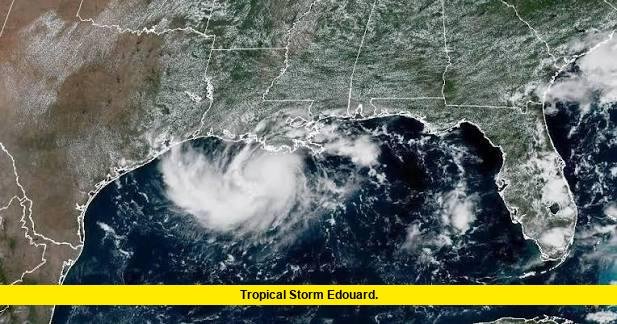

Tropical Storm Edouard brought strong winds, heavy rainfall and widespread disruptions along the Gulf Coast, with nearly 70,000 customers losing electricity during the storm, according to Entergy officials. The storm affected parts of Southeast Texas and southwestern Louisiana after making landfall near Johnson Bayou, Louisiana, creating dangerous travel conditions, flooding concerns and significant power restoration challenges.
The latest updates show that Tropical Storm Edouard weakened after moving inland, but officials continued warning residents about potential flooding, hazardous roads and remaining storm impacts. Utility crews, emergency responders and local authorities have been working to restore services and help communities recover from the storm’s effects.
Main Topic: Tropical Storm Edouard’s Impact Along the Gulf Coast
Tropical Storm Edouard developed in the Gulf of Mexico before moving toward the Texas-Louisiana coastline. The storm intensified as it approached land, reaching maximum sustained winds of about 60 mph before making landfall near Johnson Bayou, Louisiana.
After landfall, Edouard moved toward Southeast Texas, bringing heavy rain, gusty winds and the possibility of flash flooding. Communities near Beaumont, Port Arthur and surrounding areas experienced some of the strongest impacts, including power outages and storm-related damage.
The storm was not classified as a major hurricane, but officials emphasized that tropical storms can still create serious risks, especially when combined with heavy rainfall and coastal flooding threats. Forecasters highlighted rainfall as one of the biggest concerns as moisture from the system spread inland.
Power Outages and Entergy Restoration Efforts
One of the most significant effects of Tropical Storm Edouard was the widespread loss of electricity across Southeast Texas. Entergy Texas reported that approximately 70,000 customers were without power as crews began assessing damage and making repairs.
Entergy officials said restoration efforts were complicated by several storm-related challenges, including strong winds, flooding and unsafe working conditions. The company deployed more than 1,500 resources to evaluate damage, repair infrastructure and restore electricity as conditions allowed.
Power outages were concentrated in areas affected by strong winds and storm damage. Utility crews focused on safely restoring service while inspecting damaged equipment, downed lines and affected electrical infrastructure.
Key restoration challenges included:
- Strong winds that limited some repair operations
- Flooded roads and difficult access conditions
- Damage assessment requirements before repairs could begin
- Safety restrictions for workers operating in hazardous weather
Officials advised residents to remain cautious around damaged electrical equipment and downed power lines. Restoration timelines depended on the extent of damage in each area and the ability of crews to safely reach affected locations.
Weather Conditions and Flooding Concerns
Although Tropical Storm Edouard weakened after reaching land, rainfall remained a major concern across parts of Texas and Louisiana. Forecasters warned that heavy rainfall could create flash flooding, especially in low-lying locations and areas with poor drainage.
Some locations received several inches of rain, while isolated areas faced higher totals. The combination of saturated ground, intense rainfall and storm runoff increased the risk of flooded roads and hazardous travel conditions.
Residents were encouraged to avoid driving through flooded streets because water levels can rise quickly and conceal dangerous conditions. Emergency officials also urged people to follow local weather alerts and safety instructions as recovery operations continued.
Communities Affected by Tropical Storm Edouard
Southeast Texas communities experienced some of the strongest impacts from the storm. Areas around Jefferson County, including Beaumont and Port Arthur, reported significant power disruptions and storm-related problems.
Local officials prepared for potential flooding and infrastructure issues before and during the storm. Emergency crews monitored roads, responded to incidents and worked to support residents affected by the severe weather.
In coastal communities, residents also faced strong winds, heavy rain and temporary disruptions. While some areas avoided the worst-case scenarios predicted before landfall, officials continued monitoring conditions because flooding risks can continue even after winds weaken.
Public Safety Measures During Recovery
As Tropical Storm Edouard moved away from the coastline, authorities shifted focus from preparation to recovery. Residents returning to damaged areas were reminded to remain careful and watch for hidden hazards.
Safety recommendations included:
- Staying away from fallen power lines
- Avoiding flooded roads
- Reporting storm damage to local authorities
- Keeping emergency supplies available during recovery
- Monitoring official weather and emergency updates
Utility companies also reminded customers that some outages may take longer to resolve when equipment requires extensive repairs or when crews need additional time to safely access affected areas.
Latest Updates on Tropical Storm Edouard Recovery
The latest information indicates that Tropical Storm Edouard has weakened after making landfall, but recovery efforts remain underway. Entergy crews continue working to restore electricity, while emergency officials monitor flooding risks and storm damage across affected communities.
The storm’s impact highlights the challenges Gulf Coast communities often face during tropical weather events. Even storms that do not reach hurricane strength can create widespread disruptions through wind damage, flooding and infrastructure failures.
Officials have not announced a complete restoration timeline for all affected customers, as repair work depends on damage assessments and local conditions. Additional updates may be released as crews continue their efforts and more information becomes available.
Understanding the Broader Impact of Tropical Storm Edouard
Tropical Storm Edouard serves as another reminder that tropical systems can affect communities far beyond the immediate coastline. Power outages, transportation problems and flooding risks can continue even after a storm begins weakening.
For residents in hurricane-prone regions, preparation remains an important part of reducing risks. Keeping emergency supplies, understanding evacuation routes and staying informed during severe weather events can help families respond more effectively.
The storm also demonstrates the importance of rapid utility response. Electricity restoration after major weather events requires coordination between emergency teams, repair crews and local officials to ensure safety and efficiency.
Final Thoughts
Tropical Storm Edouard caused significant disruptions across parts of the Gulf Coast, with nearly 70,000 customers experiencing power outages during the storm. While the system weakened after landfall, rainfall, flooding concerns and recovery efforts continued to affect communities in Southeast Texas and Louisiana.
As restoration work continues, residents are encouraged to remain patient, follow safety guidance and monitor official updates. The storm’s effects show how quickly tropical weather can impact daily life and why preparation remains essential throughout hurricane season.
Share your thoughts on Tropical Storm Edouard’s impact and stay updated as recovery efforts continue with the latest weather developments.