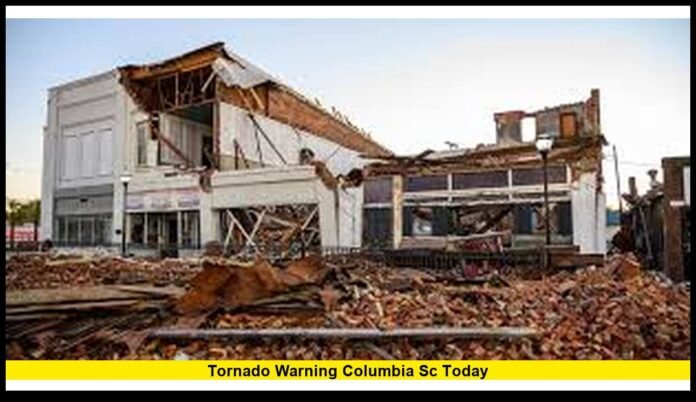

Tornado warning Columbia SC today prompted urgent weather alerts across central South Carolina on March 12, 2026, as powerful thunderstorms moved through the Midlands and created conditions capable of producing tornadoes. Residents in Columbia and surrounding communities received emergency notifications warning them to seek shelter as meteorologists tracked rotating storm cells in Richland and Lexington counties.
The severe weather system developed during the afternoon and continued moving across the region through the evening. Weather officials monitored radar closely while emergency management teams advised residents to remain alert for sudden changes in storm conditions.
Severe Weather System Moves Through Central South Carolina
Storm activity increased across South Carolina as a strong weather system moved eastward through the state. Meteorologists observed unstable atmospheric conditions that allowed thunderstorms to strengthen quickly.
Warm and humid air near the ground combined with strong winds in the upper atmosphere. This combination created the environment needed for severe thunderstorms.
During the afternoon hours, radar detected rotating storm structures west of Columbia. These conditions led weather officials to issue a tornado warning covering parts of the Midlands.
Residents across Columbia received mobile emergency alerts advising them to take immediate safety precautions.
Communities Affected by the Tornado Warning
The tornado warning affected several populated communities in the Columbia metropolitan region.
Weather alerts focused on areas where storms showed signs of rotation or strong wind activity.
Communities under the warning included:
- Columbia
- West Columbia
- Cayce
- Forest Acres
- Irmo
- Lexington
- Northeast Richland County
These communities sit within the Midlands region, an area known for active spring and summer thunderstorm seasons.
Emergency management agencies across Richland and Lexington counties monitored storm movement as it traveled across the region.
Timeline of the Severe Weather Event
Storm development occurred over several hours before the warning was issued.
Meteorologists observed thunderstorms forming west of Columbia earlier in the day. As the storms moved eastward, their intensity increased.
Severe Weather Timeline – March 12, 2026
| Time | Event |
|---|---|
| Morning | Weather outlook highlighted risk for severe storms in central South Carolina |
| Early Afternoon | Thunderstorms developed west of the Columbia area |
| Afternoon | Tornado warning issued for Richland and Lexington counties |
| Evening | Storms moved east across the Midlands while officials continued monitoring conditions |
This timeline demonstrates how quickly weather conditions can escalate during severe storm outbreaks.
What a Tornado Warning Means
A tornado warning signals a high level of weather danger.
Meteorologists issue a tornado warning when radar or trained observers detect signs of a tornado.
These warnings usually occur under two conditions:
- Weather radar detects rotation within a storm cell
- A tornado has been spotted on the ground
When a tornado warning is issued, residents must seek shelter immediately.
The warning differs from a tornado watch, which simply indicates that conditions could support tornado development.
A tornado warning means the threat is happening or about to happen.
Storm Conditions Observed Across the Columbia Area
Residents across the Columbia region reported intense storm activity during the warning period.
The severe thunderstorms produced several hazardous weather conditions.
Common conditions reported across the Midlands included:
- Heavy rainfall that reduced road visibility
- Frequent lightning and thunder
- Strong wind gusts capable of damaging trees
- Rapid changes in storm intensity
These conditions often accompany storms capable of producing tornadoes.
Emergency officials encouraged residents to remain indoors until the storms passed through the area.
Emergency Alerts Reached Residents Quickly
Modern emergency alert systems helped spread information rapidly across Columbia and nearby communities.
Residents received warnings through several communication channels.
These alert systems included:
- Wireless Emergency Alerts on smartphones
- Weather radio notifications
- Local broadcast weather bulletins
- Mobile weather applications
- Outdoor warning sirens in certain areas
These systems help ensure residents receive critical weather warnings within seconds of issuance.
Early notification allows individuals and families to move to safe locations before conditions worsen.
Safety Recommendations During Tornado Warnings
During the tornado warning Columbia SC today event, emergency officials reminded residents to follow safety guidelines designed to reduce injury risk.
Residents were advised to take shelter immediately when a warning is issued.
Recommended safety actions include:
- Move to the lowest level of a building
- Stay in an interior room away from windows
- Use basements if available
- Protect your head and neck with pillows or blankets
People living in mobile homes or temporary structures were advised to relocate to more secure shelter when possible.
Storms capable of producing tornadoes can develop quickly, so immediate action remains important.
How Severe Storms Form in the Midlands
South Carolina frequently experiences severe thunderstorms during the spring season.
The Midlands region sits in a climate zone where several weather patterns interact.
Key ingredients for severe storms include:
- Warm, moist air from the Gulf of Mexico
- Cooler air masses moving across the Southeast
- Strong winds higher in the atmosphere
- Unstable atmospheric conditions
When these elements combine, thunderstorms can grow rapidly and develop rotation.
Storms with strong rotation sometimes produce tornadoes.
The Role of Weather Radar in Tornado Detection
Modern radar technology plays a crucial role in detecting tornado threats.
Meteorologists use Doppler radar to observe wind patterns inside storms.
This radar can detect circular wind motion, which signals the possibility of tornado formation.
Once radar identifies this rotation, weather officials issue warnings for areas in the storm’s path.
This technology provides communities with valuable minutes of warning before the storm arrives.
Those minutes can make a significant difference in safety outcomes.
Transportation and Travel During Severe Weather
Heavy storms across the Columbia area also affected travel conditions.
Rainfall reduced visibility for drivers on several major roadways in the region.
Drivers were encouraged to reduce speed and avoid unnecessary travel until storms moved out of the area.
Severe storms can also create additional road hazards such as:
- Fallen tree branches
- Flooded streets
- Power outages affecting traffic signals
Public safety officials urged motorists to remain cautious while driving during severe weather.
Importance of Weather Preparedness
Emergency management agencies across South Carolina encourage residents to prepare ahead of severe weather events.
Preparation allows households to respond quickly when warnings appear.
Important preparedness steps include:
- Identifying a safe shelter location in your home
- Keeping flashlights and batteries available
- Monitoring weather forecasts regularly
- Creating an emergency communication plan for family members
Preparation reduces panic and allows residents to respond calmly when alerts are issued.
Why Tornado Warnings Occur in South Carolina
Tornadoes occur less frequently in South Carolina than in the central United States. However, the state still experiences tornado events each year.
Many tornadoes in the Southeast form within large thunderstorm systems rather than isolated storms.
These tornadoes sometimes appear suddenly and dissipate quickly.
The Southeast also faces a unique challenge because tornadoes can occur during heavy rain, which makes them difficult to see.
For this reason, meteorologists emphasize paying close attention to official warnings rather than relying only on visual confirmation.
Community Response During the Storm
During the tornado warning Columbia SC today event, residents across the Midlands shared weather updates and safety reminders with neighbors and family members.
Community awareness helps ensure that everyone receives timely information about dangerous weather conditions.
Local emergency services also remained ready to respond if storm damage occurred.
Public safety officials continued monitoring storm conditions while encouraging residents to remain indoors until the storms moved away from the area.
Storm Monitoring Continues After the Warning
Meteorologists continued tracking storm movement after the initial warning period.
Weather systems often weaken as they move eastward, but officials remain cautious until storms fully leave the region.
Radar monitoring allows meteorologists to issue additional alerts if new storm cells develop.
Residents across Columbia continued checking weather updates while the storms passed through the Midlands.
The tornado warning Columbia SC today alert highlights how quickly severe weather can develop across the Southeast and why early warnings remain critical for public safety.
Did you experience the storms in Columbia today? Share your observations and stay informed as weather conditions continue changing across the Midlands.