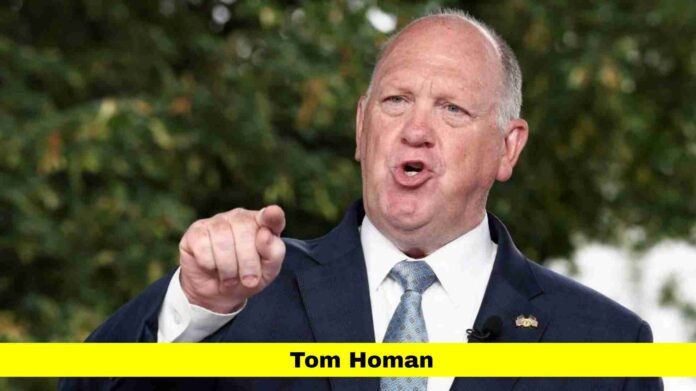

Tom Homan’s arrival in Minnesota marks a defining moment in the current phase of federal immigration enforcement in the United States. His presence is not symbolic. It represents a deliberate shift toward tighter federal oversight, stronger operational control, and a direct response to rising unrest surrounding enforcement actions in urban communities.
As public demonstrations grow and political divisions sharpen, attention has increasingly turned to the individual tasked with overseeing these efforts. Understanding his authority, background, decision-making style, and influence is essential to grasping why Minnesota has become a focal point in the broader national debate on immigration enforcement and public safety.
Why Minnesota Became a Federal Priority
Minnesota’s inclusion in expanded immigration enforcement operations did not happen by chance. Federal authorities identified the region as an area requiring intensified oversight due to population density, active protest movements, and recent enforcement encounters that escalated into deadly outcomes.
The Minneapolis metropolitan area, in particular, has seen heightened tension between federal agents and community groups. These tensions intensified after two separate fatal encounters involving U.S. citizens during enforcement actions. The seriousness of these incidents prompted a stronger federal response, culminating in direct leadership oversight rather than remote coordination.
Minnesota’s political climate, history of civic activism, and strong local governance also added complexity to the situation. Federal officials recognized that managing operations here would require experienced leadership capable of navigating operational demands alongside intense public scrutiny.
Federal Leadership and Centralized Authority
Tom Homan’s deployment reflects a strategy rooted in centralization. Instead of allowing regional offices to independently manage enforcement amid unrest, federal authorities opted to install a senior figure with national authority to coordinate decisions, messaging, and operational discipline.
This move underscores a broader federal philosophy that immigration enforcement must be uniform and insulated from local political pressure. By placing oversight in the hands of a single senior official, federal agencies aim to reduce internal inconsistencies and maintain a unified approach during periods of controversy.
Centralized leadership also allows faster decision-making when protests, legal challenges, or public safety concerns arise. It places responsibility clearly at the federal level, removing ambiguity about command structure during volatile situations.
Experience Shaping Enforcement Strategy
Homan’s long tenure in immigration enforcement has shaped his approach to leadership. He is known for favoring firm adherence to federal law, emphasizing officer authority, and resisting what he views as political interference in enforcement operations.
Throughout his career, he has repeatedly stated that immigration laws are meaningless without enforcement. This philosophy influences how operations are conducted, how agents are supported, and how criticism is addressed. In Minnesota, that approach has translated into maintaining enforcement activity despite public opposition.
Supporters argue that this consistency brings clarity and stability to enforcement. Critics contend that it limits flexibility and ignores local concerns. Regardless of perspective, his leadership style plays a decisive role in shaping how federal actions unfold on the ground.
Public Reaction and Escalating Protests
The announcement of federal leadership oversight in Minnesota did not ease public tension. Instead, it intensified demonstrations across Minneapolis and surrounding areas. Protesters argue that enforcement actions lack transparency and disproportionately affect vulnerable communities.
Large gatherings have called for accountability, independent investigations, and changes in enforcement tactics. Demonstrators have emphasized the need for de-escalation and community-based approaches rather than aggressive federal presence.
Law enforcement agencies have responded by increasing security measures around federal facilities. This dynamic has created a feedback loop in which enforcement visibility fuels protest activity, and protests further justify heightened security responses.
Political Divisions at the State and Federal Level
Minnesota’s state leadership has publicly challenged the federal handling of recent incidents. State officials have requested access to investigative materials and greater involvement in reviewing fatal encounters. Federal authorities have resisted these efforts, citing jurisdictional boundaries and federal authority.
This disagreement reflects a broader national divide between states seeking autonomy in public safety matters and federal agencies asserting supremacy in immigration enforcement. The situation has exposed fault lines in cooperative frameworks that traditionally govern federal-state relations.
At the national level, lawmakers remain deeply divided. Some frame federal actions as necessary for national security and legal integrity. Others argue they undermine trust, civil liberties, and community safety.
Investigations and Legal Pressure
The legal landscape surrounding recent enforcement incidents remains active and complex. Court orders have required preservation of evidence, while advocacy groups continue to press for expanded oversight.
Federal agencies maintain control over internal reviews, a stance that has drawn criticism from state officials and civil rights advocates. The absence of shared investigative authority has become a central point of contention.
Legal experts note that the outcomes of these proceedings could influence future enforcement protocols nationwide, particularly in cases involving use of force during civil operations.
Community Impact and Social Consequences
Beyond legal and political debates, the human impact of intensified enforcement is evident across Minnesota communities. Families report fear and uncertainty, while community organizations describe strained relationships between residents and law enforcement.
Local leaders have called for dialogue, emphasizing that long-term stability depends on trust rather than confrontation. Some cities have expanded community outreach programs to address rising anxiety and misinformation.
At the same time, supporters of strict enforcement argue that visible federal authority deters crime and reinforces the rule of law. These competing narratives continue to shape public discourse.
National Attention and Media Focus
Minnesota’s situation has attracted nationwide attention due to its symbolic weight. The state represents a test case for how federal immigration enforcement operates under intense public resistance.
Business leaders, civil rights groups, and advocacy organizations have weighed in, reflecting growing expectations that corporations and institutions take public positions on major social issues.
This broader attention has amplified pressure on federal leadership to justify actions and articulate long-term strategy beyond immediate enforcement goals.
Operational Challenges on the Ground
Federal agents operating in protest-heavy environments face unique challenges. Crowd dynamics, misinformation, and emotional intensity increase the risk of escalation during routine operations.
Balancing enforcement objectives with public safety requires careful coordination and clear communication. Critics argue that insufficient emphasis on de-escalation has contributed to recent tragedies.
Supporters counter that agents must prioritize their safety and the execution of lawful orders. This tension defines much of the current debate surrounding enforcement practices.
Policy Implications Beyond Minnesota
The decisions made in Minnesota are likely to influence enforcement strategy nationwide. Federal agencies closely monitor outcomes here to assess whether centralized oversight reduces conflict or intensifies opposition.
If leadership intervention stabilizes operations, similar approaches may be adopted in other regions experiencing unrest. If tensions continue, calls for reform may gain momentum at the legislative level.
Either outcome carries lasting implications for how immigration enforcement is structured, supervised, and perceived by the public.
Federal Authority Versus Local Trust
One of the most enduring challenges highlighted by events in Minnesota is the balance between federal authority and local trust. Enforcement may succeed operationally while failing socially if community relationships deteriorate.
Rebuilding trust requires transparency, accountability, and consistent communication—areas where critics argue current efforts fall short. Federal leaders maintain that enforcement cannot be compromised by public pressure.
This unresolved tension remains at the heart of ongoing debate.
Looking Ahead
As oversight continues and investigations progress, Minnesota remains a critical stage for defining the future of federal immigration enforcement. Leadership decisions made here will echo beyond state borders.
Public response, legal outcomes, and political negotiation will determine whether current strategies persist or evolve. What remains certain is that the national conversation surrounding enforcement, authority, and accountability is far from over.
What do you think about the federal government’s approach and its impact on local communities? Share your thoughts and stay informed as developments continue.