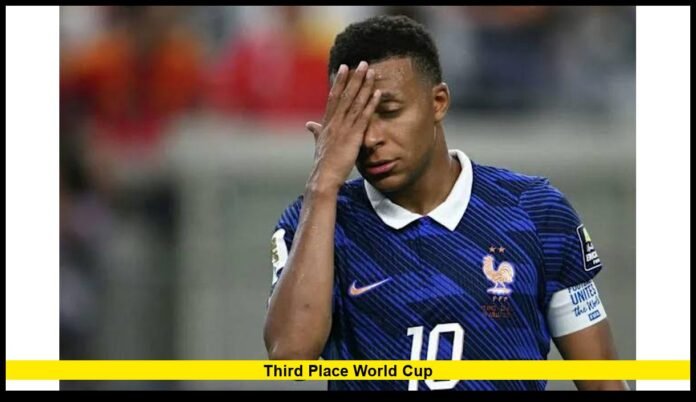

The third place World Cup match remains one of the most debated fixtures in international soccer, yet it continues to hold real value for players, coaches, and supporters around the world. As the 2026 FIFA World Cup reaches its conclusion, England and France are preparing to compete for the bronze medal after falling short in the semifinals. While neither nation will lift the World Cup trophy, the match offers the opportunity to finish the tournament on a winning note, secure an official third-place finish, and add another memorable chapter to World Cup history.
What Is the Third-Place Match at the FIFA World Cup?
The FIFA World Cup is the biggest tournament in international soccer, bringing together the world’s top national teams every four years. While the championship match receives the most attention, the competition also includes a playoff between the two semifinal losers.
This contest determines which nation finishes third and which finishes fourth in the official tournament standings. FIFA recognizes the result as part of the tournament’s final rankings, making it much more than a simple exhibition match.
Unlike friendly matches played outside major tournaments, every statistic from this game counts toward official World Cup records. Goals, assists, appearances, clean sheets, and disciplinary records all become part of the players’ career achievements.
For many nations, earning third place ranks among the greatest accomplishments in their football history.
Latest 2026 World Cup Third-Place Match
The bronze-medal game at the 2026 FIFA World Cup features two European powerhouses: England and France.
Both countries entered the tournament with championship ambitions. Each produced impressive performances throughout the group stage and knockout rounds before suffering difficult defeats in the semifinals.
Rather than ending their campaigns immediately, both teams now have one final opportunity to finish with a victory.
The matchup also carries additional importance because several players remain in contention for individual tournament honors. Every goal and assist recorded in this game still counts toward FIFA’s official award races.
For England, a victory would mark one of its strongest World Cup finishes in generations.
For France, the match provides an opportunity to close another successful World Cup campaign with a positive result.
Why FIFA Continues to Hold the Third-Place Match
Some fans question why the bronze-medal game remains part of the World Cup.
The answer lies in the tournament’s tradition, official rankings, and competitive integrity.
Every World Cup produces four semifinalists. While only two teams compete for the championship, FIFA believes all four deserve final placement based on on-field competition.
Instead of declaring both losing semifinalists joint third-place finishers, FIFA allows them to settle the position in one final match.
That tradition has continued for decades and remains part of the tournament’s identity.
The Importance of Official Tournament Rankings
A third-place finish becomes part of a country’s football history forever.
When fans review previous World Cups, they remember not only the champions but also the nations that reached the semifinals and earned bronze medals.
Countries proudly celebrate these achievements because reaching the final four of the world’s biggest soccer tournament is exceptionally difficult.
Many football federations consider third place a milestone that reflects years of player development and coaching success.
National Pride Still Matters
Although disappointment naturally follows a semifinal defeat, players continue representing their country.
Every international appearance carries meaning.
Supporters travel thousands of miles to watch their national team compete. Millions more follow every match from home.
Winning the bronze-medal game allows players to thank those fans by ending the tournament with a memorable performance instead of back-to-back losses.
That motivation often creates entertaining and highly competitive matches.
Individual Awards Remain on the Line
One reason players continue giving maximum effort is the opportunity to improve their individual tournament statistics.
The third-place match counts toward every official FIFA award.
These include:
- Golden Boot
- Golden Ball
- Golden Glove
- Young Player Award standings
- Official assist leaderboard
A player leading the scoring race can strengthen that position with another goal.
Likewise, a goalkeeper can improve clean-sheet totals or make crucial saves that influence award voting.
Those incentives ensure that many star players remain fully committed despite missing the final.
Financial Rewards for Finishing Third
Tournament placement also affects prize money.
FIFA distributes larger financial awards to teams that finish higher in the standings.
Third place earns a greater payout than fourth place.
While national players primarily focus on sporting success, the additional financial reward benefits football federations by supporting future development programs, youth academies, infrastructure, and coaching initiatives.
A Tradition Dating Back Nearly a Century
The third-place playoff has been part of most FIFA World Cups since 1934.
Over the decades, the fixture has produced memorable moments featuring many of football’s greatest players.
Generations of supporters have watched legends conclude their World Cup careers with strong performances in the bronze-medal match.
That long history has helped make the contest an established part of the tournament schedule.
Even as the World Cup has grown larger, FIFA has continued including the match.
Historic Third-Place Finishers
Several nations have built proud World Cup legacies through bronze-medal finishes.
Some of the most notable include:
| World Cup | Third Place | Fourth Place |
|---|---|---|
| 1994 | Sweden | Bulgaria |
| 1998 | Croatia | Netherlands |
| 2002 | Türkiye | South Korea |
| 2006 | Germany | Portugal |
| 2010 | Germany | Uruguay |
| 2014 | Netherlands | Brazil |
| 2018 | Belgium | England |
| 2022 | Croatia | Morocco |
Each of these matches became part of World Cup history, with players and supporters celebrating third place as a meaningful accomplishment.
Why These Matches Often Produce Exciting Soccer
Interestingly, the bronze-medal game frequently delivers more goals than the World Cup Final.
Several factors contribute to that trend.
Both teams usually play with greater attacking freedom after the disappointment of missing the championship match.
Managers often encourage offensive football rather than cautious defensive tactics.
Without the pressure of protecting a title opportunity, players take more chances in attack.
The result is often an entertaining contest featuring open play, numerous scoring opportunities, and memorable goals.
That unpredictability makes the game enjoyable for neutral fans.
England’s Opportunity in 2026
England has consistently developed world-class talent over the past decade.
The national team reached another World Cup semifinal in 2026 but narrowly missed advancing to the championship match.
Now England has the opportunity to finish third.
A victory would provide one of the country’s best World Cup results outside its famous 1966 championship.
The players understand the importance of ending the tournament with a positive performance before returning to their clubs.
Supporters also recognize that another top-four finish reflects the continued strength of England’s national program.
France Seeks a Strong Finish
France has remained one of international soccer’s elite nations throughout the last decade.
Its blend of experienced veterans and emerging young talent has consistently produced deep tournament runs.
Although France fell short of another World Cup Final appearance, finishing third would still represent an impressive achievement in one of the most competitive tournaments ever held.
For many French players, the bronze-medal match offers one final opportunity to showcase their quality on the global stage.
The Expanded 2026 World Cup
The 2026 FIFA World Cup introduced several historic changes.
For the first time, 48 national teams qualified for the tournament.
The competition also featured three host nations:
- United States
- Canada
- Mexico
The larger format created additional knockout rounds and increased the total number of matches.
Despite those structural changes, FIFA chose to preserve the traditional third-place playoff.
That decision demonstrated the organization’s belief that determining the final rankings remains an important part of the competition.
How Coaches Prepare for the Bronze-Medal Match
Every manager approaches this fixture differently.
Some prioritize experienced veterans who want to finish with a victory.
Others give younger players valuable World Cup experience before future tournaments.
Several coaches choose a balanced approach by mixing established stars with emerging talent.
Regardless of lineup decisions, every team enters the match hoping to leave the tournament on a positive note.
Can the Match Go Beyond 90 Minutes?
Yes.
If the score remains tied after regulation, the game follows the same knockout procedures used throughout the tournament.
Extra time is played first.
If neither team scores the decisive goal, the winner is determined by a penalty shootout.
That format guarantees an official third-place finisher.
Statistics Continue to Count
Many fans wonder whether the bronze-medal match affects official World Cup records.
The answer is simple: every statistic counts.
Goals scored become part of a player’s career World Cup total.
Goalkeepers add saves and clean sheets to their records.
Defenders receive official appearances and minutes played.
Midfielders continue building assist totals.
Those numbers remain part of FIFA’s historical database long after the tournament ends.
Memorable Bronze-Medal Matches
Over the years, the third-place playoff has produced dramatic moments that remain unforgettable.
Belgium defeated England in 2018 to secure the highest World Cup finish in Belgian history.
Croatia defeated Morocco in 2022 after another outstanding tournament run.
Germany also enjoyed success in several bronze-medal games, delighting home supporters with strong performances.
These contests remind fans that meaningful football extends beyond the championship match.
Why Some Fans Want the Match Removed
The debate surrounding the third-place playoff appears during every World Cup.
Critics argue that players struggle emotionally after semifinal defeats.
Some believe teams would rather begin their offseason than compete one more time.
Others feel the spotlight naturally belongs to the World Cup Final.
Despite those opinions, FIFA has continued supporting the bronze-medal fixture because it completes the tournament standings and provides another major international match for supporters worldwide.
Why Others Believe It Should Stay
Supporters of the match point to several important benefits.
The contest:
- Determines official tournament rankings.
- Rewards teams with a chance to finish on a high note.
- Creates additional unforgettable World Cup memories.
- Gives players another opportunity to represent their country.
- Keeps award races alive until the final weekend.
These factors continue to make the bronze-medal match relevant even after nearly a century of World Cup competition.
What Makes the 2026 Match Especially Significant
This year’s contest carries extra attention because both England and France entered the tournament among the favorites.
Their meeting brings together two of the strongest squads in world football.
The game also represents the final appearance of both teams in a historic World Cup that featured an expanded field of 48 nations and matches across North America.
Regardless of the final score, both countries have demonstrated remarkable consistency throughout the tournament by reaching the final four.
That achievement alone places them among the world’s elite national teams.
The Lasting Value of a Third-Place Finish
Winning the World Cup remains every nation’s ultimate dream.
Still, finishing third is far from insignificant.
It reflects weeks of outstanding performances against the best teams in the world.
It rewards consistency, resilience, and quality across one of the toughest tournaments in sports.
For players, coaches, and supporters, earning a place on the World Cup podium represents an achievement that becomes part of national football history forever.
As the 2026 tournament comes to a close, the third-place playoff once again reminds fans that every match on the World Cup stage carries meaning. The result will determine the official bronze medalist, create new memories for supporters, and add another chapter to one of the greatest sporting events in the world.
Do you think the third-place match should remain part of the FIFA World Cup? Share your thoughts in the comments and keep following for the latest soccer updates.