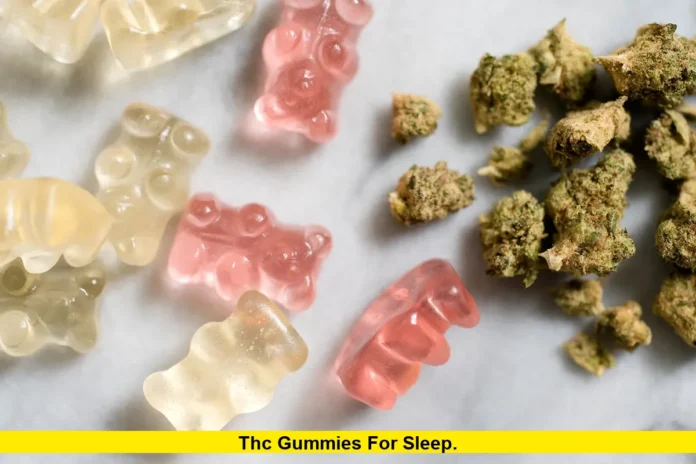

As of November 2025, THC gummies for sleep have become one of the fastest-rising wellness products in the United States. With more Americans searching for natural sleep solutions, these cannabis-infused edibles are gaining mainstream attention, expanding into health stores, online retailers, and even major delivery platforms. Yet, with their popularity comes increasing scrutiny from regulators, doctors, and consumers alike.
Rising Popularity of THC Gummies for Sleep
Over the past year, U.S. demand for THC-infused sleep products has surged. Market analysts report that sales of sleep-targeted edibles—including those combining THC, CBD, and CBN—have grown significantly. Many Americans are turning to these gummies as an alternative to prescription sleeping pills or alcohol, hoping for a gentler way to unwind and improve rest.
Brands are now emphasizing low-dose formulations—often between 2.5 mg and 10 mg of THC per gummy—to help users relax without strong intoxication. These products are typically labeled “Sleep,” “Nighttime,” or “Relax,” featuring balanced cannabinoid blends intended to promote deeper and longer rest.
How THC Gummies Work for Sleep
The science behind THC gummies for sleep centers on how THC interacts with the body’s endocannabinoid system, which regulates mood, stress, and circadian rhythms. THC binds to CB1 receptors in the brain, which can reduce tension and induce a sense of calm that supports sleep onset.
Many sleep-specific gummies also include other cannabinoids such as CBD or CBN, as well as herbal ingredients like melatonin, chamomile, or lemon balm, creating a synergistic “entourage effect.”
Typical effects reported by users include:
- Quicker sleep onset
- Fewer nighttime awakenings
- Reduced anxiety before bed
- Improved overall sleep satisfaction
However, individual responses vary widely depending on body chemistry, dosage, and frequency of use. Experts recommend starting with very low doses and tracking how your sleep changes over several nights.
Current Legal Status in the U.S.
In 2025, the legal landscape surrounding THC gummies for sleep remains complex. While hemp-derived THC products (including delta-8 and delta-9 from hemp) are still federally legal under the 2018 Farm Bill, several states have enacted stricter regulations.
- Some states, including Alabama and Arkansas, have imposed limits on THC content per serving and per package.
- Others, like Minnesota and Kentucky, allow hemp-derived THC gummies under regulated testing and labeling standards.
- A handful of states, including Idaho and Kansas, continue to ban psychoactive THC altogether.
At the federal level, lawmakers are currently reviewing new language that could redefine hemp limits, potentially restricting many THC edibles on the market. If enacted, the new threshold would require much lower THC concentrations in all hemp-derived products.
For consumers, this means it’s essential to check local regulations before purchasing or traveling with THC gummies for sleep.
What the Research Shows So Far
Scientific research on THC gummies as a sleep aid is still developing, but early studies and clinical reviews suggest several consistent findings:
- Low doses of THC (below 10 mg) may shorten the time it takes to fall asleep.
- Balanced THC-CBD combinations appear more effective than THC alone, as CBD may counteract next-day grogginess.
- Chronic high-dose use can disrupt sleep architecture, reducing REM sleep and increasing tolerance over time.
- Discontinuing THC after prolonged use can temporarily cause sleep disturbances or vivid dreams.
Researchers emphasize that while short-term benefits are promising, long-term effects remain unclear. Controlled studies are ongoing in several states with medical cannabis programs.
Safety and Quality Concerns
Because the market for THC gummies for sleep has expanded rapidly, product quality varies dramatically. Inconsistent dosing, inaccurate labeling, and contamination issues have been found in some unregulated brands.
Consumers should always:
- Verify third-party lab results showing cannabinoid content and purity.
- Avoid products without batch numbers or testing certificates.
- Buy only from reputable brands or licensed dispensaries.
- Keep all THC gummies out of reach of children and pets.
Reports of accidental ingestion by minors have led several states to tighten packaging laws, requiring child-resistant seals and clear warning labels.
How to Use THC Gummies for Better Sleep
If you’re considering using THC gummies for sleep, here are some best practices recommended by sleep and wellness professionals:
- Start low and go slow: Begin with 1 to 2.5 mg of THC about one hour before bedtime.
- Combine with good sleep hygiene: Reduce screen time, keep a consistent sleep schedule, and avoid caffeine late in the day.
- Avoid daily use: Reserve THC gummies for nights when you truly need help winding down to prevent tolerance.
- Pair with CBD or CBN: These non-intoxicating cannabinoids can complement THC and promote a smoother sleep cycle.
- Monitor effects: Track your sleep quality, dreams, and next-day alertness to determine if the gummies are genuinely helping.
Market Trends: Sleep Meets Wellness
In 2025, the wellness industry continues to blur the lines between cannabis and lifestyle health. THC gummies for sleep are now featured in wellness subscription boxes, online health stores, and boutique dispensaries across many states.
Consumers increasingly favor “functional edibles” that claim to target specific outcomes—such as focus, relaxation, or rest—rather than simply offering a recreational high. Brands have responded by formulating gummies with precision dosing and natural flavor profiles like elderberry or blueberry lavender, marketed under themes like “Dream,” “Calm,” or “Unwind.”
Major beverage and supplement companies are also entering the hemp-derived THC market, viewing sleep aids as a lucrative segment of the evolving cannabis economy.
Potential Risks and Drawbacks
Despite the promising reports, THC gummies for sleep are not risk-free. Side effects may include:
- Next-day fatigue or sluggishness
- Increased heart rate or anxiety at higher doses
- Dry mouth or mild dizziness
- Impaired coordination or delayed reaction times
In some cases, long-term reliance on THC for sleep may mask underlying issues such as insomnia, stress, or sleep apnea that require professional treatment. People with existing medical conditions or those taking prescription medications should consult a healthcare provider before using THC products.
The Outlook for 2026 and Beyond
As we approach 2026, the future of THC gummies for sleep in the United States hinges on two main factors: regulation and research. Federal lawmakers are expected to clarify hemp definitions and THC limits, which could reshape the market. Simultaneously, more sleep clinics and universities are launching studies into how cannabinoids affect different stages of sleep.
With increased scientific attention and stricter testing standards, consumers can expect clearer guidance and more consistent product quality in the years ahead.
THC gummies for sleep remain one of the most intriguing intersections of science, wellness, and law in 2025. As the research deepens and regulations evolve, staying informed will be the best way to make safe, effective choices for your nighttime routine.
Have you tried THC gummies for better rest? Share your experience or thoughts below and join the conversation about how cannabis is changing America’s approach to sleep.