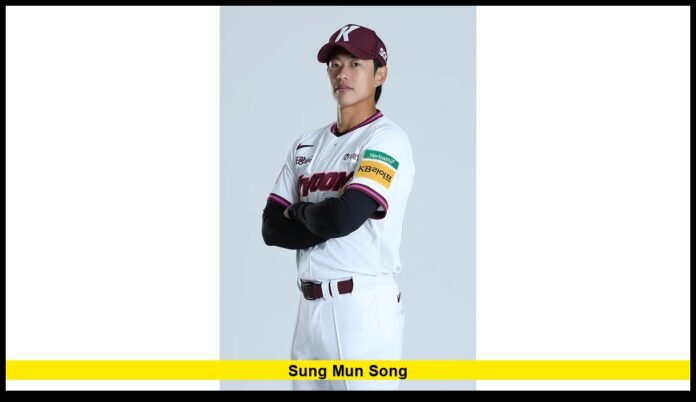

Sung Mun Song has reached a pivotal moment in his professional baseball career, completing a transition that reflects years of discipline, consistency, and steady growth. His move from South Korea’s top professional league to Major League Baseball represents more than a roster change. It marks the culmination of a long development arc shaped by patience, adaptability, and sustained performance at a high competitive level. For U.S. baseball fans, his arrival adds another compelling international storyline rooted in proven achievement rather than sudden emergence.
As of today, Sung Mun Song stands as one of the most notable Korean position players to make the jump to Major League Baseball after building a complete résumé at home. His career path highlights how long-term excellence can open doors to the world’s most competitive baseball environment.
Early Life and the Foundations of Sung Mun Song’s Baseball Identity
Sung Mun Song was born in Seoul, South Korea, a city with a deep and enduring relationship with baseball. From an early age, he was exposed to a competitive youth sports culture that emphasized fundamentals, teamwork, and mental toughness. Baseball was not just a pastime but a structured discipline, and Song embraced that environment fully.
Unlike players who stand out primarily due to size or raw strength, Song’s early strengths came from coordination and awareness. Coaches noticed his ability to track pitches, stay balanced through his swing, and make adjustments without losing confidence. These traits set him apart from peers and became central to his development.
During his amateur years, Sung Mun Song showed a strong understanding of situational baseball. He learned how to move runners, protect the plate, and approach each at-bat with intention. Those habits, formed early, became the backbone of his professional career and allowed him to progress steadily rather than relying on streaky performance.
Entering Professional Baseball and Facing Early Challenges
Sung Mun Song entered professional baseball through the Korea Baseball Organization draft system, joining the club now known as the Kiwoom Heroes. Like many young players, his first seasons were marked by adjustment rather than immediate success.
Professional pitching presented new challenges. Pitchers were more precise, game plans were more detailed, and defensive expectations were higher. Song responded by focusing on preparation rather than results. He spent extensive time refining mechanics, studying opposing pitchers, and improving footwork in the field.
Playing time came gradually. Early roles included bench appearances and situational starts, which required mental resilience. Instead of becoming discouraged, Sung Mun Song used these opportunities to learn the pace of professional games and the importance of consistency. These experiences hardened his approach and prepared him for larger responsibilities later.
Gradual Offensive Growth and Skill Refinement
As seasons progressed, Sung Mun Song’s offensive profile began to change. His contact rate improved, and he became more comfortable driving the ball with authority. Rather than overhauling his swing, he made subtle adjustments to timing and pitch selection.
This evolution was deliberate. He focused on hitting pitches he could handle and avoiding unnecessary risk. Over time, this approach led to higher batting averages and more consistent on-base production. His strikeout rates declined while his walk totals increased, reflecting growing plate discipline.
What stood out was his ability to maintain balance. Even as power numbers increased, he did not abandon contact hitting. This balance allowed him to remain productive across different game situations, whether facing elite starters or late-inning relievers.
Breakthrough Seasons That Defined His Reputation
Sung Mun Song’s career reached a turning point during his standout seasons in the KBO. These years were not defined by brief surges but by sustained excellence across full schedules.
He consistently delivered quality at-bats, produced extra-base hits, and contributed runs in high-pressure moments. His presence in the lineup forced opposing teams to adjust defensive alignments and pitching strategies.
Equally important was his durability. Sung Mun Song remained available throughout long seasons, handling the physical and mental demands of everyday play. This reliability increased his value and established him as a cornerstone player rather than a situational contributor.
Defensive Consistency and Infield Versatility
Defense has always been a quiet strength of Sung Mun Song’s game. While offense often draws headlines, his steady glove work provided consistent value behind the scenes.
Primarily stationed at third base, he demonstrated strong reactions, clean hands, and accurate throws. Over time, he expanded his defensive range to include other infield positions. This versatility was not accidental; it came from dedicated practice and a willingness to serve team needs.
In modern baseball, positional flexibility is highly prized. Sung Mun Song’s ability to transition across the infield enhances lineup options and provides insurance against injuries or rest days. His defensive reliability also builds trust with pitching staffs, an often overlooked but critical factor.
Leadership Development and Clubhouse Influence
As his role grew, Sung Mun Song naturally became a leader within his organization. Leadership for him did not come through loud speeches or dramatic gestures. Instead, it emerged through preparation, composure, and accountability.
Younger players observed how he handled failure and success with the same steady demeanor. Coaches relied on him to model professionalism during both winning streaks and difficult stretches.
This leadership experience is significant as he enters Major League Baseball. Teams value players who understand responsibility and maintain focus in demanding environments. Sung Mun Song’s clubhouse presence adds intangible value that complements his on-field contributions.
The Decision to Pursue Major League Baseball
After years of consistent performance, Sung Mun Song reached a point where pursuing Major League Baseball became a realistic option. His decision was not rushed. It reflected careful consideration of timing, readiness, and long-term goals.
By the time he became eligible for international movement, his skill set was mature. He had faced high-level competition, handled pressure situations, and refined his approach through experience. This preparation distinguished him from players who attempt the transition prematurely.
His move signaled confidence in his ability to compete at the highest level while acknowledging the challenges ahead.
Why Sung Mun Song Appeals to Major League Teams
Major League Baseball teams evaluate international players with caution, focusing on sustainability rather than highlights alone. Sung Mun Song checks several key boxes.
First, his offensive approach emphasizes consistency. He works counts, makes contact, and limits unproductive at-bats. This reduces risk and supports lineup stability.
Second, his athleticism is functional. Rather than relying on raw speed or power, he applies athletic ability intelligently through base running and defensive positioning.
Third, his professional maturity stands out. Years of experience in a competitive league prepared him for structured game planning and long seasons.
Together, these qualities create a profile well-suited for MLB competition.
Adjusting to Major League Pitching and Game Speed
Transitioning to Major League pitching requires significant adjustment. Pitch velocities are higher, breaking balls are sharper, and game plans are more complex.
For Sung Mun Song, success will depend on timing and adaptability. His career history suggests he responds well to challenges by refining technique rather than forcing results.
Early phases may involve learning curves, but teams value players who show improvement over time. Sung Mun Song’s patience and discipline increase the likelihood of steady progress rather than abrupt swings in performance.
Cultural Adaptation and Life in the United States
Moving from Korea to the United States involves changes beyond the field. Language, travel schedules, and lifestyle differences can affect comfort and focus.
Sung Mun Song enters this transition with experience handling public attention and professional expectations. Modern MLB organizations also provide resources to support international players, allowing them to concentrate on baseball.
His calm personality and structured habits position him well to navigate these changes without distraction.
Impact on Korean Baseball Representation
Sung Mun Song’s transition adds to the growing presence of Korean players in Major League Baseball. Each successful move reinforces the credibility of Korean baseball development systems.
His career path emphasizes preparation and patience. Rather than chasing early exposure, he built a complete professional foundation before moving abroad. This example may influence future players considering similar paths.
What U.S. Fans Can Expect From Sung Mun Song
For U.S. audiences, Sung Mun Song offers a player defined by reliability and intelligence. Fans can expect competitive at-bats, sound defense, and steady contributions.
He may not seek attention through dramatic moments, but his value emerges over time. Players like him often become trusted contributors who earn respect through consistency.
As his role develops, his impact may become increasingly visible within team dynamics.
Long-Term Outlook and Career Sustainability
Looking ahead, Sung Mun Song’s long-term success will depend on health, adaptation, and opportunity. His balanced skill set supports longevity rather than short-term peaks.
If he continues refining his approach and maintaining versatility, he can establish a meaningful presence in Major League Baseball. His experience suggests he understands the importance of continuous improvement.
Broader Significance of His Career Move
Sung Mun Song’s journey reflects the evolving nature of professional baseball. Talent evaluation now prioritizes performance across leagues, emphasizing adaptability and consistency.
His move demonstrates that excellence in one league can translate to opportunity in another when preparation aligns with timing.
Final Perspective on Sung Mun Song’s Ongoing Journey
Sung Mun Song arrives in Major League Baseball carrying years of experience, discipline, and growth. His career path underscores the value of patience, preparation, and professionalism in elite sports.
As his Major League chapter unfolds, attention will focus on how his skills evolve within a new competitive environment. His presence alone represents an important moment in the ongoing connection between Korean baseball and the American game.
Sung Mun Song’s story continues to develop, and baseball fans will be watching closely as his journey progresses on the world’s biggest stage.