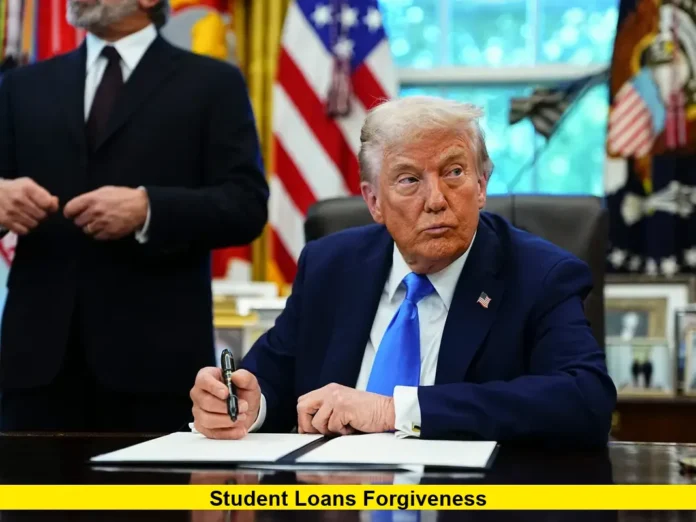

A wave of hope has returned for many federal loan holders as student loans forgiveness under the Income-Based Repayment (IBR) plan is once again active. After a months-long suspension, the U.S. Department of Education has begun notifying eligible borrowers that their remaining balances may now be discharged.
Forgiveness Resumes for Millions Under IBR
In recent days, the Department resumed the processing of student loan forgiveness for borrowers enrolled in IBR plans who have made the requisite number of qualifying payments (typically 20 or 25 years of payments). Notices went out via email stating that discharges will begin after October 21, 2025, unless borrowers opt out by that deadline. Processing for most discharges is expected within roughly two weeks after that date.
This move comes after the department paused IBR forgiveness in July to revalidate payment counts and comply with court rulings. The suspension had left many borrowers who believe they’ve completed the required payments waiting in limbo.
Roughly 2 million borrowers on IBR plans are affected by this restart. Those whose forgiveness goes through in 2025 will benefit from a tax exemption under the American Rescue Plan, which shields forgiven amounts from federal taxes through December 31, 2025. After that date, discharges processed in 2026 may become taxable — unless Congress extends the exemption or new law intervenes.
Legislative and Regulatory Shifts Add Complexity
While IBR relief is back, other forms of student loans forgiveness remain entangled in legal and policy turbulence.
- The Biden administration’s attempt to expand forgiveness via the SAVE plan was blocked by a federal appeals court earlier this year.
- Public Service Loan Forgiveness (PSLF) rules are under proposed revision. The Department’s new rulemaking aims to disqualify nonprofit or public employers deemed to engage in “substantial illegal purpose,” meaning some borrowers may lose eligibility under those changes.
- Meanwhile, the “One Big Beautiful Bill” legislation passed in 2025 places new borrowing caps on graduate and professional student loans, eliminates the Grad PLUS program, and authorizes structural changes to income-driven repayment (IDR) programs. These shifts could raise monthly payments or lengthen paths to forgiveness for future borrowers.
In short, while IBR forgiveness has returned, the broader forgiveness landscape is highly uncertain.
Backlogs, Delays & the Tax Deadline Risk
Thousands of borrowers still have outstanding PSLF Buyback requests or IDR applications waiting to be processed. The department reported over a million pending cases prior to the IBR pause. Processing delays had already threatened to push many borrowers’ discharges into 2026, when tax exemption may no longer apply.
Adding to the urgency: if forgiveness doesn’t finalize by year’s end, the amount forgiven — even for those who qualified in 2025 — may be taxed. PSLF discharges remain tax-free regardless of date, but most IDR/IBR discharges will lose that protection after December 31, 2025.
Borrowers are strongly urged to:
- Verify no errors in their payment count
- Opt out before October 21 if they don’t want forgiveness processed automatically
- Monitor updates from their loan servicer
- Continue making payments while waiting for discharge to avoid being considered delinquent
What’s Next & What Borrowers Should Watch
Here are the key developments borrowers should monitor:
| Issue | What’s Happening | Why It Matters |
|---|---|---|
| Processing timeline | Discharges begin post–October 21 | Speed matters so forgiveness hits before tax exemption expires |
| Rule changes in PSLF | Proposed rules may strip eligibility | Could reduce the pool of valid borrowers in public service |
| New borrowing limits | Caps on grad / professional loans under 2025 legislation | May limit ability for future advanced-degree borrowing |
| Tax exemption expiration | Forgiveness taxable if processed in 2026 or later | Borrowers could face surprise tax bills |
| Legal action | Suits demand faster processing & protection of existing benefits | Court rulings may force or block policy moves |
The administration and courts will play critical roles in shaping whether forgiveness continues smoothly or further restrictions are imposed.
What Borrowers Can Do Today
- Confirm you’re enrolled in IBR and meeting all requirements
- Check your loan servicer for notices or opt-out instructions
- Prepare for potential tax implications if discharge slips into 2026
- Track how changes to PSLF and IDR could affect your eligibility
- Stay vigilant for new announcements from the Department of Education
The return of student loans forgiveness under IBR offers relief for many who have long awaited relief. But in a shifting legal and policy climate, momentum alone isn’t enough — borrowers must stay engaged and informed.
I invite you to share your experience or questions below, and stay tuned as this story develops.