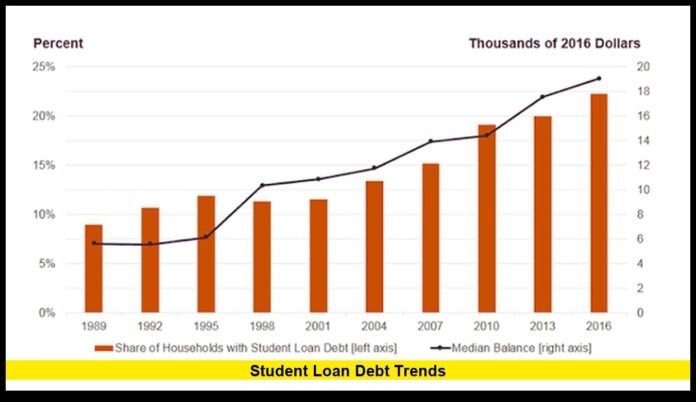

Student loan debt trends are drawing continued attention across the United States as borrowers navigate education costs, repayment obligations, and changing federal student aid policies. Millions of Americans rely on student loans to finance college degrees, graduate programs, and professional qualifications. However, the long-term cost of borrowing can affect household budgets, credit health, homeownership plans, and retirement savings. Understanding the latest developments can help students, graduates, parents, and current borrowers make informed financial decisions.
Student loans remain an important part of the American higher education system. They provide access to education for people who cannot cover tuition and living expenses upfront, but repayment can become challenging when earnings fall short of expectations. Interest charges, employment conditions, family responsibilities, and federal repayment rules all influence how borrowers manage their balances.
As repayment policies evolve in 2026, borrowers need to understand the differences between federal and private loans, available repayment options, delinquency risks, and strategies for controlling education debt.
Key Points Summary
╔════════════════════════════════════════════════════════════════════╗
║ – Student loans remain a significant financial obligation for ║
║ millions of American households. ║
║ – Tuition, living expenses, interest rates, and income levels ║
║ influence the overall cost of education borrowing. ║
║ – Missed payments can lead to delinquency, credit complications, ║
║ and more serious consequences if default occurs. ║
║ – Federal student loan repayment options and eligibility rules ║
║ changed during 2026. ║
║ – Private loans generally offer different protections and ║
║ repayment flexibility from federal student loans. ║
║ – Borrowers can improve repayment planning by reviewing balances, ║
║ comparing eligible plans, and managing monthly expenses. ║
╚════════════════════════════════════════════════════════════════════╝
Understanding the U.S. Student Loan Debt Situation
Student loan debt includes money borrowed to pay for undergraduate education, graduate studies, professional programs, and other eligible educational expenses. The amount owed nationally changes as new loans are issued, borrowers make payments, interest accrues, and qualifying balances are discharged or forgiven.
Federal student loans represent the largest portion of the U.S. student loan market. These loans are administered under government-established rules and may provide repayment options that are not available through private lenders. Private student loans, meanwhile, are offered by financial institutions and other private lenders under individual loan agreements.
The national balance is only one part of the picture. A borrower with a substantial balance and a stable income may be able to manage monthly payments comfortably. Someone with a smaller balance but inconsistent employment may face greater financial pressure.
Several indicators help explain the overall situation:
- Outstanding balances: The total amount borrowers still owe.
- New borrowing: The amount students and families take out to finance education.
- Repayment progress: How quickly borrowers reduce their principal balances.
- Interest accumulation: The additional cost associated with carrying unpaid balances.
- Delinquency rates: The proportion of loans with payments that are overdue.
- Default levels: The extent to which borrowers have reached the applicable default threshold.
- Forgiveness and discharge: The amount of eligible debt canceled under applicable programs.
Together, these measures offer a more useful understanding of student debt than the national total alone.
Why Student Loan Repayment Is Difficult for Many Americans
Repayment can become difficult when education debt competes with ordinary living expenses. Housing, groceries, transportation, insurance, childcare, and healthcare can consume much of a household’s income before a student loan payment is due.
For recent graduates, the transition from school to full-time employment can be particularly challenging. A graduate may expect to earn a certain salary but instead find limited job opportunities, temporary work, or an entry-level position with lower compensation.
Borrowers who return to school, change careers, or experience a period without employment may also struggle to maintain consistent payments.
Federal Reserve Bank of New York household debt reporting highlighted repayment pressure in 2026. In the first quarter, the share of student loan balances at least 90 days delinquent reached 10.3%, compared with 9.6% in the previous quarter. This measure reflects seriously overdue balances and indicates that some borrowers continue to face substantial repayment difficulties.
Delinquency does not automatically mean a borrower has defaulted. The consequences depend on the loan type, the length of nonpayment, and the rules governing the account. However, prolonged missed payments can create more serious financial problems.
Borrowers experiencing difficulty should contact their loan servicers or lenders as early as possible. Waiting until overdue payments accumulate can limit the time available to review repayment options and address financial problems.
Federal Student Loan Changes Affecting Borrowers in 2026
Federal student aid policies influence monthly payments, borrowing limits, and eligibility for repayment assistance. Changes implemented during 2026 have made it especially important for borrowers to review their individual loan arrangements.
The SAVE Plan’s End and Borrower Transitions
The Saving on a Valuable Education, or SAVE, repayment plan ended following a court order in March 2026. Borrowers previously enrolled in the program need to review communications from their servicers and determine which repayment options are available to them.
The transition may not be identical for every borrower. Loan types, account circumstances, and applicable deadlines can affect the steps required.
Borrowers should not assume that an earlier monthly payment amount or repayment arrangement will continue indefinitely. Reviewing official account information can help prevent confusion and missed obligations.
The Repayment Assistance Plan
The Repayment Assistance Plan, known as RAP, became available on July 1, 2026, under the updated federal student loan framework.
RAP is an income-based repayment option for eligible federal student loans. Its terms differ from older repayment arrangements, making it important to compare the rules before enrolling.
Borrowers should examine how their income, family circumstances, loan eligibility, and repayment period affect their expected payments. A payment that fits comfortably into a monthly budget may be attractive, but borrowers should also consider the overall cost of repayment.
The Tiered Standard Repayment Plan
The Tiered Standard Repayment Plan also became available on July 1, 2026. It replaces the former Standard Repayment Plan for Direct Loans first disbursed on or after that date.
The available options can differ for borrowers with older loans and those taking out new loans under the revised system. As a result, students who already have debt should understand how additional borrowing could affect their future repayment choices.
Changes to Federal Borrowing Limits
Federal borrowing rules also changed in 2026 for certain graduate, professional, and Parent PLUS borrowers. New restrictions and eligibility provisions may affect how students and parents finance higher education.
The impact depends on the program, loan history, and applicable transition rules. Students planning advanced degrees should calculate the total cost of attendance and investigate other funding options before relying on additional borrowing.
These developments make careful financial planning essential for both current borrowers and students preparing to enroll in college.
Federal Student Loans and Private Student Loans Compared
The distinction between federal and private student loans is important because the two categories can offer different repayment protections.
Federal student loans operate under government-established eligibility and repayment rules. Depending on the loan and borrower, options may include income-based repayment arrangements, deferment, forbearance, and qualifying forgiveness or discharge programs.
Private student loans are governed by individual contracts and applicable law. Their interest rates may be fixed or variable, and repayment assistance depends on the lender’s policies.
Before borrowing privately, students should compare interest rates, fees, repayment periods, cosigner obligations, and hardship provisions. Federal borrowing options should also be reviewed before students commit to private loans.
Refinancing can sometimes reduce an interest rate, but refinancing federal loans through a private lender generally means giving up federal repayment protections and access to federal forgiveness programs associated with those loans. Borrowers should weigh these trade-offs carefully.
How Student Debt Affects Credit and Long-Term Financial Goals
Student loans can influence a borrower’s financial life well beyond graduation. Required monthly payments affect how much money remains for savings, housing, transportation, and other goals.
Credit Scores and Payment History
Missed payments may affect credit reports and credit scores under applicable reporting rules. A history of late payments can make it more difficult to qualify for credit cards, auto financing, or mortgages on favorable terms.
Default can create additional consequences. Federal and private loan collection procedures differ, so borrowers should understand the rules applicable to their accounts.
Maintaining contact with loan servicers and addressing payment problems early can help borrowers understand their options before the situation becomes more difficult to resolve.
Homeownership and Major Purchases
Student loan payments can affect mortgage affordability assessments because lenders generally evaluate income alongside recurring debt obligations.
A student loan balance does not automatically prevent someone from buying a home. Mortgage eligibility depends on several factors, including income, credit history, existing debts, the required payment, and the lender’s underwriting standards.
Borrowers planning a major purchase should account for student loan payments when estimating how much they can comfortably afford.
Retirement Savings and Family Expenses
Large monthly payments may leave borrowers with less money for retirement contributions and emergency savings. They can also influence decisions about childcare, moving, starting a family, or launching a business.
The effects vary by income and household circumstances. A practical budget can help borrowers balance repayment with other important financial priorities rather than concentrating exclusively on eliminating debt as quickly as possible.
Practical Strategies for Managing Student Loan Debt
Although borrowers cannot control every policy change or economic condition, several steps can make repayment more manageable.
1. Review all loan balances. Identify each loan’s outstanding principal, interest rate, monthly payment, servicer, and repayment status. Federal and private loans may require separate account reviews.
2. Compare eligible repayment plans. Federal borrowers should evaluate the plans currently available to their particular loans. Consider monthly affordability, repayment duration, eligibility conditions, and the potential total cost.
3. Create a realistic budget. Include housing, utilities, food, transportation, insurance, and other essential expenses before deciding how much additional money can go toward student debt.
4. Build emergency savings. An emergency fund can help cover unexpected costs without requiring new borrowing or missed loan payments. Even modest, consistent contributions can provide a useful financial cushion.
5. Consider additional payments carefully. Paying extra toward principal may reduce future interest costs, depending on the loan terms. Before making additional payments, borrowers should consider high-interest debts and immediate financial needs.
6. Investigate forgiveness eligibility. Some federal borrowers may qualify for forgiveness or discharge under specific programs. Eligibility requirements can involve loan type, employment, qualifying payments, and other conditions. Borrowers should verify the current rules rather than assume they qualify.
7. Contact lenders early. Anyone anticipating difficulty paying should ask about available repayment adjustments or temporary relief. Private lenders may offer different assistance from federal programs, and interest may continue to accrue during certain relief periods.
8. Avoid unnecessary borrowing. Students can compare tuition, living costs, grants, scholarships, and lower-cost educational pathways before accepting loans. Borrowing only what is needed can reduce future repayment pressure.
What to Watch in the Student Loan Market
Future developments will depend on education costs, employment conditions, repayment performance, and federal policy decisions. Student loan debt trends will remain important for understanding how these factors influence American households.
Tuition affordability is likely to remain central to discussions about higher education. When educational expenses rise faster than available resources, students may need to borrow more or seek alternative funding.
Employment outcomes also matter. Graduates with stable earnings may be better positioned to manage repayment, while those entering uncertain job markets may need more flexibility.
Changes to federal loan eligibility, repayment plans, and forgiveness requirements can affect the options available to borrowers. Students and graduates should therefore review official updates rather than rely on outdated information or assumptions about earlier programs.
Repayment statistics will also remain important. Rising delinquency can signal that households are having difficulty keeping up with obligations, although the figures should be interpreted alongside employment, income, and overall debt levels.
Ultimately, education debt is not only about the amount borrowed. It is also about whether borrowers can manage payments while maintaining financial stability and benefiting from the education they financed.
Frequently Asked Questions
What are the main factors influencing student loan debt?
The main factors include tuition costs, living expenses, interest rates, borrowing levels, employment opportunities, repayment plans, and the ability to make regular payments.
Are federal student loan rules changing in 2026?
Yes. Federal student loan changes introduced during 2026 include the end of the SAVE Plan following a court order, the availability of RAP and the Tiered Standard Repayment Plan, and changes affecting certain borrowing limits. Eligibility varies by loan type and borrower circumstances.
Can student loan debt affect a credit score?
Yes. Missed payments may be reported to credit bureaus under applicable rules, potentially affecting credit scores. Borrowers should address payment difficulties promptly and review their loan status regularly.
Is student loan forgiveness available?
Certain federal student loans may qualify for forgiveness or discharge under specific programs and conditions. Private loans generally do not qualify for the same federal forgiveness programs. Borrowers should confirm eligibility before making decisions.
What should borrowers do if they cannot afford payments?
They should review their budgets, contact their loan servicers or private lenders, and investigate available repayment options. Acting early can provide more time to understand potential solutions and avoid prolonged nonpayment.
Final Thoughts
Student debt remains a significant financial consideration for students, graduates, parents, and households throughout the United States. Education loans can make college possible, but repayment requires careful planning, especially when income, living expenses, and government policies change.
Borrowers who understand their loan terms, monitor repayment deadlines, and compare available options can make better-informed decisions. Students preparing for college can also reduce future pressure by evaluating the full cost of their education before borrowing.
What change would make student loan repayment easier for Americans? Share your opinion in the comments and follow the latest education finance developments.