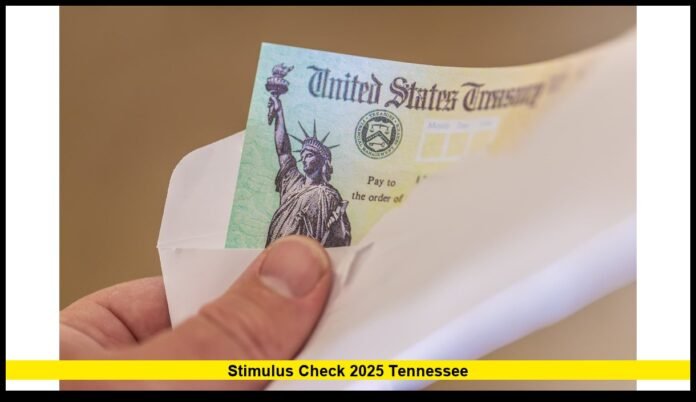

As economic pressures continue to affect families nationwide, many Tennessee residents have been asking about the stimulus check 2025 Tennessee situation — specifically, whether any new direct payments or financial aid are available this year.
While there is no federal stimulus program currently active, several state-level and local assistance initiatives continue to provide meaningful relief to households, seniors, and low-income workers across the state. These programs target property taxes, energy costs, and childcare expenses, giving Tennesseans a variety of ways to find support even without a nationwide stimulus.
This in-depth update covers the latest verified information on payments, eligibility, and current relief programs available in Tennessee as of November 24, 2025.
No Federal Stimulus Payments in 2025
There are no new federal stimulus checks being issued this year. The federal government has not approved any legislation for direct economic payments since the last round of nationwide relief in 2021.
The Internal Revenue Service (IRS) continues to emphasize that any online claims or messages about “fourth stimulus payments” are false. The only official federal payments available at this time are tax-related credits or refunds from previous filings.
That said, Tennessee residents can still access various financial assistance programs at the state and local levels that serve similar purposes — easing the cost of living, helping with essential expenses, and supporting vulnerable households.
Tennessee’s Current Financial Relief Programs
Tennessee does not have a personal income tax, so it does not issue direct rebate checks like some other states. However, the state and its counties have implemented several targeted aid initiatives throughout 2025.
These are the main forms of relief currently available to qualifying residents:
Property Tax Relief for Seniors and Disabled Homeowners
One of Tennessee’s longest-running financial assistance programs remains the Property Tax Relief Program, designed to help senior citizens, disabled homeowners, and veterans reduce their annual housing costs.
For 2025:
- Eligible homeowners must be 65 years or older or have qualifying disabilities.
- The income cap is set at $36,000 for the current tax year.
- Participants may receive reimbursement for part of the property taxes paid on their primary residence.
The average benefit ranges between $200 and $400, depending on the assessed value of the home and the county’s tax rate. Applications can be submitted through each county’s trustee office, and filing deadlines extend into early 2026 for the current tax year.
This relief remains one of the most effective ways for retirees and fixed-income households to manage housing expenses without direct stimulus payments.
Energy and Utility Assistance Programs
With utility costs rising across much of the state, the Low-Income Home Energy Assistance Program (LIHEAP) continues to serve as a critical lifeline for qualifying households.
Through this program:
- Residents can receive annual benefits between $350 and $650.
- Assistance covers heating, cooling, or electricity expenses.
- Priority is given to seniors, disabled individuals, and families with children.
Applications are handled by local community action agencies, and funding for the program remains secure through the end of 2025.
In addition, several power companies, including Tennessee Valley Authority (TVA) partners, offer payment flexibility and energy-efficiency discounts for low-income customers. These smaller programs often supplement federal energy relief, providing additional ways to manage seasonal costs.
Childcare and Family Assistance
The state’s Child Care Payment Assistance Program continues to help working families manage rising childcare expenses. This program, supported by federal and state funds, covers a portion of childcare costs for qualifying parents who are employed or enrolled in approved education programs.
- Payments are sent directly to licensed childcare providers.
- The amount of assistance depends on household income, family size, and county.
- Applications can be submitted online or through the Tennessee Department of Human Services (TDHS).
Enrollment has remained steady in 2025 as more families return to full-time employment. The program has been especially beneficial for single parents and households in urban areas like Nashville and Memphis, where childcare costs are among the highest in the region.
County-Level Rebates and Local Aid
A handful of Tennessee counties launched local rebate programs earlier this year using leftover funds from the American Rescue Plan (ARP).
Counties such as Davidson, Shelby, Hamilton, and Knox issued one-time payments ranging from $150 to $500 per household between March and July 2025. These were designed to support residents facing food and utility cost increases.
While those payments have now concluded, residents who did not receive theirs can still contact their local county office to check for unclaimed or returned funds. Each county maintains separate databases for rebate verification, and a small number of unclaimed checks remain available.
Tax Credits Still Providing Support
In addition to local aid, Tennesseans can still benefit from federal tax credits that function similarly to stimulus payments.
Earned Income Tax Credit (EITC)
Workers with moderate to low incomes who meet IRS guidelines may qualify for the EITC, which can return hundreds or even thousands of dollars at tax time. Those who did not claim the credit for earlier years (up to three years back) can still file amended returns.
Child Tax Credit (CTC)
Parents who missed out on prior-year payments can still receive full or partial refunds for 2021–2023 when filing current returns. This includes families who did not originally file taxes during those years.
Both credits continue to serve as vital resources for families managing higher living expenses in 2025.
Economic Conditions in Tennessee This Year
Tennessee’s economy has remained relatively strong through 2025. The unemployment rate is 3.4%, slightly below the national average, and job growth continues in manufacturing, healthcare, and logistics.
However, inflation pressures are still being felt at the household level. Housing costs have climbed 4% year-over-year, while grocery prices remain up by about 3% from 2024.
These modest but persistent increases are the main reason residents have been searching for stimulus updates. While broad payments aren’t coming, local and state programs have helped cushion the impact of inflation across communities.
Economists predict steady, moderate growth heading into 2026, with energy prices expected to decline slightly during winter. Stimulus Check 2025 Tennessee
Avoiding Misinformation and Scams
As public interest in stimulus news has grown, so have scams promising fake “Tennessee relief checks.” Fraudulent messages often appear via text, email, or social media, asking recipients to provide personal details or bank information.
Residents should always verify information through official Tennessee government websites. Genuine programs will never ask for sensitive data through unsolicited links or messages.
If you suspect fraudulent activity, report it to the Tennessee Attorney General’s Office or the Federal Trade Commission (FTC).
Practical tips to stay safe:
- Never click on links claiming “instant payments.”
- Use only official state or county websites for applications.
- Be cautious of anyone requesting payment to “process” benefits — legitimate programs are always free. Stimulus Check 2025 Tennessee
What’s Ahead for 2026
Looking into 2026, large-scale federal stimulus checks are unlikely unless significant economic challenges arise. However, Tennessee lawmakers are already reviewing potential relief measures for next year’s legislative session.
Proposals include:
- Expanding property tax relief for seniors and disabled veterans.
- Increasing funding for energy and housing assistance programs.
- Launching new local grant initiatives for small businesses in rural communities.
These measures are expected to be discussed during the early months of 2026. Any new approvals will likely take effect by midyear, depending on budget allocations.
For now, residents are encouraged to take advantage of the existing relief programs — particularly those related to property taxes, utilities, and childcare — which continue to provide meaningful assistance. Stimulus Check 2025 Tennessee
How Residents Can Check Eligibility
To ensure you don’t miss out on any benefits:
- Visit your local trustee office for property tax relief details.
- Contact community action agencies for energy or utility aid through LIHEAP.
- Reach out to TDHS for childcare payment assistance or family support programs.
- Use the Tennessee unclaimed property database to search for any unpaid rebates or refunds.
All of these programs remain active and available throughout the state.
While no new federal stimulus checks are being issued, Tennessee continues to support its residents through property tax credits, childcare aid, and energy assistance programs. Have you applied for any of these relief options in 2025? Share your experience or tips below — your story could help someone else find the support they need.