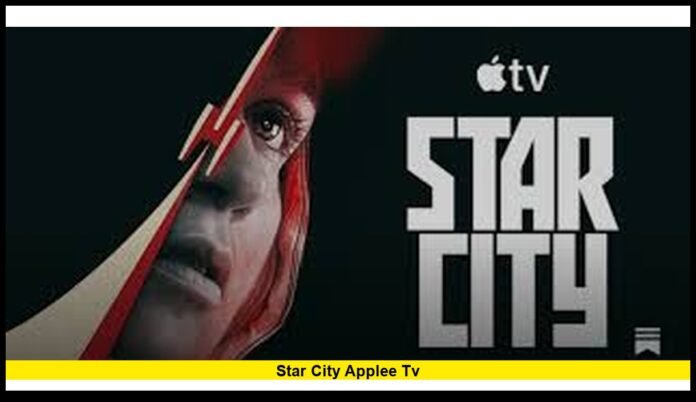

Science-fiction fans continue to talk about star city apple tv as the ambitious drama carves out its own identity within one of streaming’s most respected television universes. Set in an alternate-history world where the Soviet Union gained an early advantage in the race to space, the series delivers a fresh perspective on one of the most fascinating rivalries of the 20th century. Since its debut in 2026, the show has attracted attention for its gripping storytelling, strong performances, and detailed look at the people operating behind the walls of the Soviet space program.
Rather than revisiting familiar American-centered narratives, Star City places viewers inside the Soviet system, exploring the lives of engineers, cosmonauts, intelligence officers, and political leaders who shape the future of humanity’s journey beyond Earth. The result is a tense, character-driven drama that combines historical inspiration with high-stakes science fiction.
Viewers searching for their next must-watch series are finding plenty to discuss as the season unfolds and reveals new layers of intrigue, ambition, and personal sacrifice.
Looking for a space drama that goes beyond rockets and missions? Keep reading to discover why Star City has become one of the most talked-about sci-fi releases of the year.
A New Chapter in an Acclaimed Television Universe
The success of For All Mankind created a rich alternate-history setting that allowed audiences to imagine a world transformed by different outcomes in the global space race.
Star City builds on that foundation while moving in a distinctly different direction. Instead of focusing on American astronauts and NASA leadership, the series shifts attention to the Soviet side of the Cold War. This creative choice opens the door to new stories, new conflicts, and new perspectives.
The show examines how Soviet leaders respond to technological competition, how scientists navigate political pressure, and how ordinary individuals become part of extraordinary moments in history. While viewers may recognize connections to the broader universe, the series remains accessible to newcomers who have never watched For All Mankind.
Its self-contained story allows audiences to jump in without extensive background knowledge while still rewarding longtime fans with deeper world-building details.
Why the Soviet Perspective Matters
Many television productions centered on the space race emphasize American achievements and milestones. Star City takes a different approach by exploring the institutions and individuals responsible for Soviet successes.
This perspective helps create a more balanced understanding of the alternate timeline. Instead of presenting history through a single national lens, the series examines how competition drives innovation on both sides.
The Soviet characters face immense expectations. They operate within a system that demands results and closely monitors every decision. Engineers work under pressure to achieve breakthroughs. Cosmonauts train for dangerous missions while carrying the hopes of a nation. Political leaders seek victories that strengthen their influence on the world stage.
By focusing on these experiences, the series presents a complex and human story rather than a simple tale of geopolitical rivalry.
The Story at the Heart of Star City
At its core, Star City is a drama about people striving for greatness in an environment where success and failure carry enormous consequences.
The narrative follows several interconnected characters whose lives revolve around the Soviet space program. Some are dedicated scientists pursuing technological progress. Others are military officials concerned with national security. Intelligence officers monitor activities and protect state interests.
These competing priorities create constant tension.
A successful mission may bring prestige and advancement. A setback can threaten careers, reputations, and even personal safety. As the story develops, characters must decide how far they are willing to go in pursuit of their goals.
The series balances large-scale events with intimate personal moments. Family relationships, friendships, rivalries, and ethical dilemmas all play important roles in shaping the narrative.
This combination of political drama and emotional storytelling helps distinguish the show from more traditional science-fiction series.
Strong Performances Drive the Series
One of the reasons viewers have connected with Star City is its talented ensemble cast.
The actors bring depth and authenticity to characters who operate within a highly controlled and demanding environment. Rather than portraying simple heroes or villains, the performances highlight the complexity of individuals navigating a challenging political landscape.
Each major character carries unique motivations and ambitions. Some seek scientific discovery. Others pursue influence and power. Many simply want to survive within a system that rarely tolerates mistakes.
The cast’s ability to convey these conflicting emotions adds significant weight to the series.
As episodes progress, audiences gain a deeper understanding of each character’s personal struggles and aspirations. This emotional investment keeps viewers engaged beyond the larger historical and technological storylines.
A Detailed Recreation of an Alternate Cold War
Production design plays a major role in the show’s appeal.
From research facilities and control rooms to uniforms and living quarters, the series creates a believable vision of a Soviet space program operating at the center of global competition.
Attention to detail helps immerse viewers in the alternate-history setting. The environments feel lived-in and functional, reflecting both technological ambition and political realities.
The visual style also reinforces the show’s themes. Government offices appear imposing and controlled. Engineering centers showcase innovation and determination. Training facilities highlight the physical and mental demands placed on future cosmonauts.
These carefully designed spaces contribute to the atmosphere of tension that defines much of the series.
Blending Science Fiction With Political Drama
One of the most interesting aspects of Star City is its ability to merge multiple genres.
The series certainly contains science-fiction elements, but it also functions as a political thriller, workplace drama, and historical narrative.
Space missions remain important, yet they are only part of the story. Behind every launch lies a network of decisions, negotiations, and conflicts.
Political leaders debate strategy. Intelligence agencies gather information. Scientists push technological boundaries. Families cope with uncertainty and separation.
This layered approach gives the series a broader appeal than many traditional science-fiction productions. Viewers interested in character development, historical themes, or political intrigue can find compelling storylines alongside the show’s technological achievements.
Episode Structure Keeps Audiences Engaged
The weekly release schedule has helped sustain interest in the series.
Rather than making the entire season available at once, new episodes arrive gradually, encouraging viewers to discuss developments and speculate about future events.
Each installment advances multiple storylines while introducing new challenges for the characters.
Some episodes focus on engineering breakthroughs and mission planning. Others emphasize political maneuvering and personal relationships. This variety keeps the narrative fresh and prevents the show from becoming repetitive.
The pacing also allows major moments to resonate. Significant decisions and dramatic revelations receive time to develop, increasing their emotional impact.
As a result, viewers remain invested in both the immediate story and the larger direction of the season.
The Growing Popularity of Star City Apple TV
The growing conversation around star city apple tv reflects broader interest in sophisticated science-fiction storytelling.
Audiences increasingly seek shows that combine entertainment with thoughtful themes. Star City succeeds because it offers more than action and spectacle.
The series explores questions about ambition, loyalty, innovation, and the cost of progress. It examines how political systems influence scientific achievement and how individuals navigate institutions larger than themselves.
These themes resonate beyond the show’s alternate-history setting.
Many viewers appreciate stories that challenge them intellectually while still delivering suspense and emotional depth. Star City manages to achieve that balance, helping it stand out in a crowded streaming landscape.
How the Show Expands the Franchise
Spin-offs often struggle to establish their own identity. Some rely too heavily on familiar elements, while others drift too far from what made the original successful.
Star City largely avoids those pitfalls.
The series respects the established universe while introducing fresh characters, settings, and conflicts. It expands the mythology without feeling dependent on nostalgia.
This approach benefits both new and longtime viewers. Existing fans gain a deeper understanding of the alternate world, while newcomers receive a complete story that stands on its own merits.
The show’s success demonstrates the potential for additional stories within this universe and highlights the flexibility of the alternate-history concept.
What Sets the Series Apart From Other Sci-Fi Shows
Television audiences have no shortage of science-fiction options, yet Star City occupies a unique position within the genre.
Many modern sci-fi productions focus on distant futures, advanced civilizations, or intergalactic adventures. Star City remains grounded in a recognizable historical context.
Its alternate-history framework allows viewers to connect familiar events with imaginative possibilities.
The series also prioritizes character development over spectacle. While technological achievements remain important, the emotional journeys of the characters drive the story forward.
This emphasis on human experiences creates stronger engagement and makes major events feel meaningful rather than purely visual.
The combination of historical inspiration, political tension, and personal drama gives the show a distinctive voice.
Looking Toward the Rest of the Season
As the first season continues, anticipation remains high for future episodes.
Several storylines continue to develop simultaneously, creating numerous possibilities for dramatic confrontations and major turning points.
Relationships face increasing strain. Political pressures intensify. Technological challenges grow more demanding.
The interconnected nature of these conflicts ensures that individual decisions can have far-reaching consequences.
Viewers remain eager to see how characters respond to the mounting pressures surrounding them and how the broader Soviet space program evolves as new obstacles emerge.
The ability to maintain suspense while delivering meaningful character growth has become one of the show’s greatest strengths.
Why Star City Is Worth Watching
For viewers interested in science fiction, historical drama, or political thrillers, Star City offers an engaging blend of all three genres.
The series combines compelling performances, strong writing, detailed world-building, and thought-provoking themes. It explores ambition and innovation while examining the personal costs associated with both.
By shifting attention to the Soviet side of an alternate space race, the show introduces a perspective rarely explored in mainstream television. That fresh viewpoint helps distinguish it from many other productions currently available.
As audiences continue following the season, Star City remains one of the most intriguing television releases of 2026 and a noteworthy addition to the expanding universe that inspired it.
Have you started watching Star City? Share your thoughts on the series and stay tuned for more updates as the story continues to unfold.