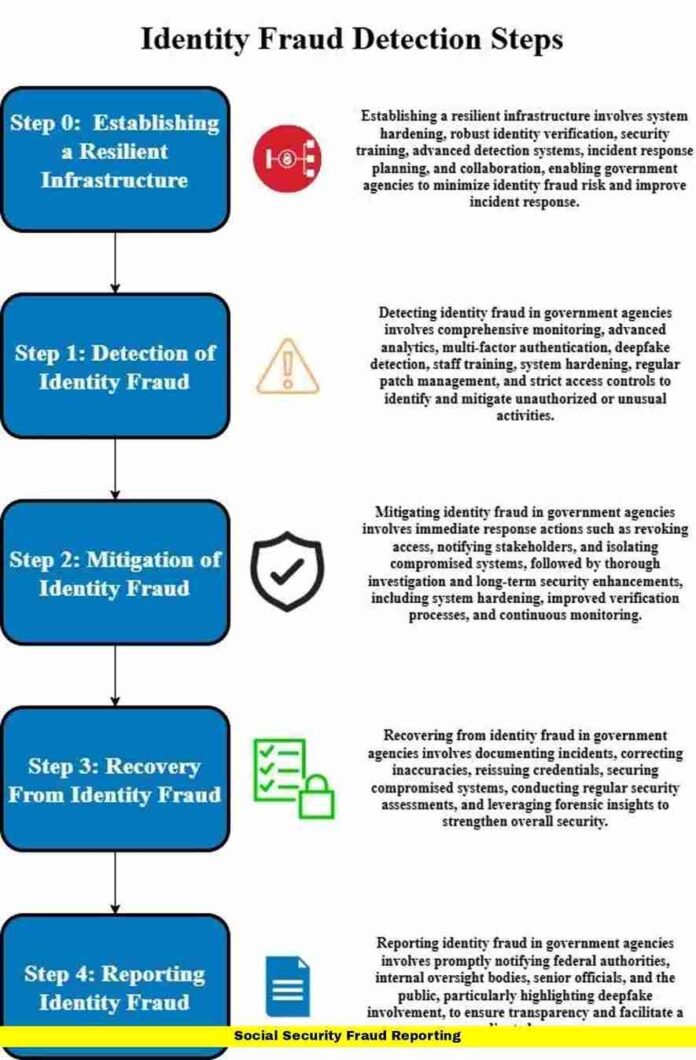

Protecting your Social Security number and benefits is more important than ever. Social security fraud reporting allows individuals to safeguard their identity and benefits from criminals attempting to exploit the system. Identity theft and fraudulent claims have been increasing steadily, which makes understanding how to identify, report, and prevent fraud crucial for every American. Timely action ensures your financial security and helps the Social Security Administration (SSA) hold fraudsters accountable.
Understanding Social Security Fraud and Its Implications
Social Security fraud occurs when someone uses your personal information, particularly your Social Security number, to gain unauthorized access to benefits, commit identity theft, or manipulate the system for financial gain. Fraud can take several forms, including false claims for retirement, disability, or Medicare benefits, as well as impersonation of SSA officials to extract personal data. These fraudulent activities can harm your credit score, affect eligibility for benefits, and create long-term complications in your financial and personal records. Recognizing fraud early and reporting it promptly is the most effective way to reduce damage and ensure legal measures are taken against offenders.
Key Points Summary
For readers who need a quick overview, social security fraud reporting is essential for protecting your benefits and personal information. Fraud can involve identity theft, false benefit claims, and impersonation of SSA representatives. Immediate reporting through SSA’s online portal, hotline, or mail ensures investigations begin quickly, preventing further misuse. Monitoring your SSA account regularly, educating family members, and keeping thorough documentation are crucial steps in preventing and mitigating fraud. Timely reporting not only protects your benefits but also contributes to broader fraud prevention efforts nationwide.
Identifying Social Security Fraud
Recognizing the warning signs of fraud is the first step to protecting yourself. Common indicators include unexpected notices for benefits you did not apply for, deposits in your bank account that you did not authorize, sudden changes to personal information, or suspicious phone calls and emails requesting your Social Security number. Fraudsters often pose as SSA officials, claiming urgent action is required to prevent penalties or loss of benefits. Monitoring your SSA account and reviewing benefit statements regularly helps detect unauthorized activity early. Verification of any request through official SSA channels is key to avoiding scams.
How to Report Social Security Fraud
The SSA provides secure channels to report suspected fraud, including online, by phone, and via mail. Online reporting through the SSA portal allows submission of information regarding identity theft, benefit fraud, and scams involving impersonation of SSA officials. The SSA fraud hotline is staffed by trained representatives who can provide instructions and record details of suspected fraud. Written reports can also be sent to SSA offices, including documentation of suspicious activity. Prompt reporting ensures that investigations begin immediately, minimizing further misuse of benefits and protecting your personal information from additional exposure.
Types of Social Security Fraud
Social Security fraud can occur in various forms. Identity theft involves unauthorized use of your Social Security number to open accounts, file taxes, or access financial resources. Benefit fraud includes filing false claims for retirement, disability, or Medicare benefits. Impersonation scams involve fraudsters pretending to be SSA representatives to gain sensitive personal data. Medical fraud includes submitting falsified Medicare claims or billing for services not provided. Understanding the different types of fraud helps individuals detect suspicious activity and report it effectively, minimizing financial loss and potential disruption to legitimate benefits.
Steps to Take if You Suspect Fraud
If you suspect Social Security fraud, acting quickly is critical. Start by securing your SSA account online and changing your passwords. Review all benefit statements for discrepancies, and gather evidence such as emails, letters, or official notices. Report the suspected fraud through the SSA online portal, fraud hotline, or by mail. Additionally, monitor bank accounts and credit reports for unusual activity. Early action helps protect your benefits, allows SSA to investigate promptly, and limits long-term consequences from identity theft or unauthorized claims.
Preventing Social Security Fraud
Prevention is the most effective defense against Social Security fraud. Limit sharing of your Social Security number and confirm the identity of anyone requesting it. Use strong, unique passwords for online accounts and enable notifications for suspicious activity. Educate family members, particularly seniors, about common scams. Staying informed about emerging fraud tactics allows you to detect suspicious behavior quickly. Regular monitoring, cautious sharing of personal information, and education form a comprehensive approach to protecting your Social Security benefits.
SSA Investigation Process
When a report of fraud is submitted, the SSA initiates a detailed investigation. This may include reviewing benefit records, contacting financial institutions, coordinating with law enforcement, and conducting interviews. The SSA may freeze accounts, correct records, or prosecute offenders when evidence supports legal action. Cooperation from victims ensures accurate reporting and helps investigations proceed efficiently. A structured investigation enables SSA to recover misused funds, prevent additional fraudulent claims, and deter future fraud attempts.
Medicare and Supplemental Security Fraud Reporting
Social Security fraud often overlaps with Medicare or supplemental insurance fraud. Common examples include fraudulent billing for medical services, using another individual’s Social Security number to obtain coverage, or falsifying medical records. SSA provides dedicated channels for reporting Medicare-related fraud. Prompt reporting prevents financial loss, protects future benefit eligibility, and assists federal authorities in uncovering larger networks of fraudulent activity. Awareness of the connection between Medicare and Social Security fraud strengthens overall protection of your benefits.
Tips for Effective Fraud Reporting
To maximize the effectiveness of your report, provide complete and accurate information. Include detailed descriptions of the suspicious activity and attach copies, not originals, of supporting documents. Submit reports through secure channels and follow up if confirmation of receipt is not provided. Well-documented reports enhance SSA’s ability to investigate quickly and take appropriate action, helping protect both your benefits and others from fraud.
Legal Implications of Social Security Fraud
Committing Social Security fraud is a federal crime with serious consequences. Convictions can result in fines, restitution of stolen funds, and imprisonment. Federal authorities collaborate with SSA to prosecute cases effectively. Reporting suspected fraud not only safeguards your personal benefits but also helps reduce broader identity theft and financial crime. Awareness of these legal implications emphasizes the importance of timely and accurate reporting.
SSA Fraud Hotline and Resources
The SSA fraud hotline is a critical tool for reporting suspicious activity. Staffed by professionals, the hotline ensures that each report is logged, prioritized, and investigated. Representatives provide guidance on protecting benefits and monitoring for fraud. Utilizing the hotline is an essential step in safeguarding your Social Security benefits and assisting SSA in identifying and preventing fraudulent activity.
Digital Security Measures for SSA Accounts
Online account security is crucial for protecting Social Security benefits. Use multi-factor authentication, regularly monitor login history, and review account activity for irregularities. Avoid accessing your SSA account on public Wi-Fi and update passwords frequently. These digital security practices complement other preventive measures and help reduce the risk of identity theft or unauthorized claims. Vigilant online security protects both your personal information and benefits.
Education and Awareness Programs
SSA provides educational initiatives to increase public knowledge about fraud prevention. These programs cover common scams, examples of fraudulent communications, and instructions for reporting suspected fraud. Participating in these programs equips individuals with the knowledge to detect fraudulent activity and act quickly. Awareness and education are key components of an effective strategy to prevent and mitigate Social Security fraud.
Recent Trends in Social Security Fraud
Recent years have seen an increase in identity theft, Medicare scams, and impersonation tactics. Fraudsters increasingly use technology, including phishing emails, fraudulent phone calls, and online scams, to target individuals. Staying informed about these trends is essential for early detection and prevention. The SSA regularly updates resources to reflect new fraud tactics, providing guidance for individuals to protect their benefits effectively.
FAQs
Q1: Can I report Social Security fraud anonymously?
Yes, you can submit online or mail reports anonymously. Providing accurate details ensures SSA can investigate efficiently.
Q2: How long does SSA take to investigate fraud?
Investigation timelines vary based on complexity. Detailed, prompt reports allow SSA to resolve cases faster.
Q3: Can someone else report fraud on my behalf?
Yes, an authorized representative can report fraud if documentation proves they are permitted to act on your behalf.
Disclaimer
This article is for informational purposes only and does not constitute legal or financial advice. SSA policies and procedures may change. For personalized guidance, contact SSA directly or consult a licensed professional.