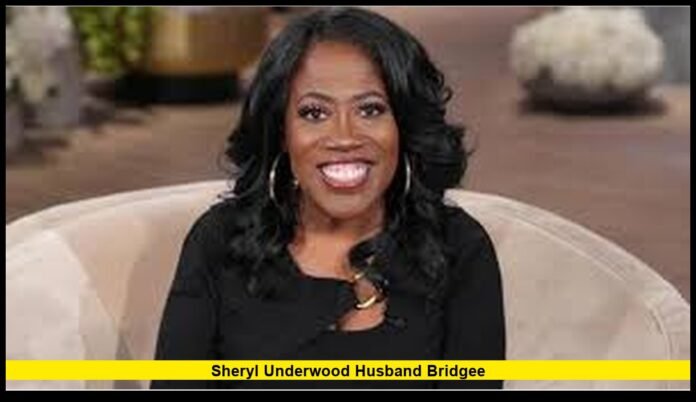

The entertainment world is still reacting after “sheryl underwood husband bridge” became one of the fastest-rising celebrity search trends following Netflix’s highly publicized roast of comedian Kevin Hart. The viral controversy erupted after several comedians made dark jokes involving Sheryl Underwood’s late husband during the live comedy event, triggering heated debates online about whether roast comedy has gone too far.
Millions of viewers watched clips from the roast spread across TikTok, Instagram, X, YouTube, and Facebook within hours of the event airing. While some fans defended the comedians by arguing that roasts are designed to be ruthless and offensive, many others criticized the jokes for targeting a painful personal tragedy that Underwood has openly discussed for decades.
The backlash quickly transformed into a larger national conversation about comedy, grief, mental health, and the emotional limits of entertainment in the streaming era.
As reactions continue flooding social media, many viewers are revisiting Underwood’s personal story, her marriage, and the devastating loss that changed her life long before she became one of television’s most recognizable personalities.
Fans across the country continue searching for details surrounding the controversial bridge jokes and the history behind them.
If you’ve followed Underwood’s career through stand-up comedy, radio, and daytime television, the emotional response surrounding this moment shows just how deeply audiences connect with her story.
Stay with us as we break down the roast controversy, the viral reactions, Sheryl Underwood’s emotional history, and why this story has become one of the entertainment world’s biggest talking points this week.
The Netflix Roast That Sparked Nationwide Debate
Netflix’s latest celebrity roast event brought together comedians, athletes, actors, and entertainers for an evening centered around Kevin Hart. Like previous celebrity roasts, the format encouraged brutal jokes aimed at nearly everyone participating in the show.
But one particular segment involving Sheryl Underwood quickly became the center of controversy.
Comedians Shane Gillis and Tony Hinchcliffe delivered several jokes referencing the death of Underwood’s late husband. Some of the remarks included references involving bridges and balconies, which immediately shocked many viewers online.
Audience reactions inside the venue appeared mixed. Some attendees laughed loudly while others looked visibly uncomfortable.
Underwood herself appeared to respond calmly during portions of the roast and even joked back at several performers later in the show. That response surprised many viewers watching from home because social media criticism began exploding almost instantly after the clips circulated online.
The moment became one of the most discussed segments from the roast, overshadowing many of the event’s other celebrity jokes.
Why the Public Reaction Became So Intense
Part of the outrage came from the deeply personal nature of the topic.
Underwood’s husband died by suicide in 1990, and she has spoken emotionally over the years about the trauma she experienced afterward. Because she previously shared painful details publicly, many viewers felt especially uncomfortable hearing comedians use the tragedy as material during a roast.
The emotional response online became massive.
Thousands of social media users described the jokes as insensitive, cruel, or unnecessary. Others argued that comedians participating in roasts traditionally target painful and controversial subjects because shock value has always been part of the format.
That divide quickly became the central debate surrounding the event.
Some comedy fans insisted that nothing should be off-limits during a roast if celebrities willingly participate. Critics responded that suicide and mental health should not become punchlines, regardless of the setting.
As clips continued circulating online, searches connected to “sheryl underwood husband bridge” surged across entertainment platforms and search engines nationwide.
Sheryl Underwood’s Personal Tragedy Still Resonates With Fans
Long before this controversy, Underwood had already spoken publicly about the devastating loss of her husband, Michael.
The couple married in 1987. According to interviews Underwood has given throughout her career, her husband struggled privately with depression before his death three years later.
She has openly described the emotional devastation that followed.
During previous television interviews and public appearances, Underwood explained how surviving spouses often live with unanswered questions after losing someone to suicide. She spoke about the emotional confusion, grief, anger, and heartbreak that affected her life for years afterward.
Her honesty resonated deeply with many viewers because public figures rarely discuss such personal pain with that level of openness.
Fans who remembered those emotional interviews were among the loudest voices reacting to the roast jokes this week.
For many longtime supporters, the controversy felt personal because they remembered how vulnerable Underwood had been while discussing the tragedy in the past.
Social Media Became Completely Divided
The controversy quickly spread far beyond entertainment headlines.
TikTok creators posted reaction videos analyzing the roast clips frame by frame. Instagram pages reposted the jokes alongside emotional comments from viewers debating whether the material crossed ethical lines.
On X, users argued nonstop about comedy culture and public sensitivity.
One side insisted roast comedy exists specifically to challenge social boundaries and make audiences uncomfortable. Another side argued that public grief should not become entertainment simply because someone is famous.
Mental health advocates also joined the conversation.
Many users shared personal stories involving suicide loss within their own families, explaining why the jokes struck such a painful nerve. Others emphasized that comedians should consider the emotional consequences of turning real-life tragedies into punchlines.
At the same time, defenders of roast comedy argued that selective censorship weakens the genre itself.
The emotional intensity surrounding the debate helped drive even more public attention toward the story.
Sheryl Underwood’s Career Has Been Built on Resilience
Underwood’s life story extends far beyond the latest controversy.
Before becoming a television personality, she built a respected career as a stand-up comedian during an era when very few women dominated major comedy stages. Her breakthrough came after competing in comedy competitions that introduced her to national audiences.
Over time, she became one of the most recognizable voices in entertainment.
Millions of viewers know her from “The Talk,” where she developed a reputation for honesty, humor, and emotional openness. She also became successful in radio and live comedy while maintaining strong connections with audiences nationwide.
One reason Underwood has remained relevant for decades is her ability to combine humor with vulnerability.
She frequently discusses emotional hardship, grief, mental health, and resilience in ways audiences find relatable. Rather than hiding painful experiences, she has often spoken openly about overcoming them.
That authenticity has strengthened her relationship with viewers over the years.
The current controversy reminds many fans how deeply connected people feel to her personal journey.
The Streaming Era Has Changed Roast Comedy
Celebrity roasts are nothing new.
For decades, comedians have used roast events to deliver shocking jokes involving relationships, scandals, addiction, careers, and personal struggles. Historically, these events targeted celebrities willing to participate in highly offensive humor for entertainment purposes.
But modern streaming platforms and social media have changed the environment dramatically.
In previous decades, roast jokes remained mostly within niche comedy audiences. Today, short clips spread instantly online to millions of viewers who may never watch the entire event.
That creates very different reactions.
A joke delivered inside a roast room can quickly become a viral national debate once isolated clips circulate across social media platforms.
The Kevin Hart roast demonstrates exactly how quickly those moments can spiral into broader cultural conversations involving mental health, ethics, celebrity culture, and comedy itself.
Many Viewers Focused on Underwood’s Reaction
One of the biggest talking points after the roast involved Underwood’s visible reaction during the event.
Despite the harsh jokes, she appeared composed and laughed during several moments. Later in the show, she responded with jokes of her own and continued participating professionally.
That reaction surprised many viewers who expected visible anger or emotional discomfort.
Some fans praised her for handling the situation gracefully under intense public pressure. Others argued that public laughter does not necessarily reflect private emotions.
Entertainment analysts noted that Underwood’s decades of experience in stand-up comedy likely helped her navigate the moment differently than someone unfamiliar with roast culture.
Still, the public backlash continued growing regardless of her response.
Many viewers insisted the jokes remained inappropriate even if Underwood chose not to publicly object during the event itself.
Mental Health Discussions Returned to the Spotlight
The controversy also renewed broader discussions about suicide awareness and mental health support.
Several public conversations online shifted away from comedy entirely and focused instead on grief, depression, and emotional trauma.
Mental health advocates encouraged people struggling emotionally to seek support and speak openly with loved ones. Many users stressed that depression often remains hidden from public view, even among people who appear successful or happy outwardly.
Underwood herself has previously spoken about how difficult it can be to recognize what someone is experiencing internally.
Her past interviews discussing depression resurfaced online as viewers revisited clips from earlier television appearances.
That emotional context made the roast controversy even more powerful for audiences already familiar with her story.
The Debate Over Comedy Limits Continues
The entertainment industry now finds itself once again debating a familiar question: should comedy have limits?
Supporters of unrestricted comedy argue that offensive humor has always existed and that roasts specifically depend on pushing boundaries.
Critics counter that deeply personal tragedies involving suicide, trauma, or mental illness deserve greater sensitivity.
Neither side appears willing to back down.
The discussion surrounding “sheryl underwood husband bridge” has become larger than one roast or one comedian. It reflects ongoing cultural disagreements about entertainment, accountability, artistic freedom, and emotional responsibility.
The controversy also highlights how quickly public opinion forms in today’s digital environment, where viral clips can dominate national conversations within minutes.
Underwood’s Legacy Extends Far Beyond One Viral Moment
While the current controversy continues dominating headlines, many fans believe the renewed attention also reminds audiences of Underwood’s larger impact on entertainment.
She remains one of the most influential female comedians in modern television history and continues connecting with viewers through honesty, humor, and resilience.
Her willingness to discuss grief openly helped many people dealing with personal loss feel less isolated.
That emotional connection explains why audiences reacted so strongly to the roast controversy in the first place.
For supporters, Underwood represents strength after unimaginable pain.
And as online debates continue, many viewers are now rediscovering the deeper story behind the comedian who spent decades transforming personal heartbreak into perseverance, humor, and public inspiration.