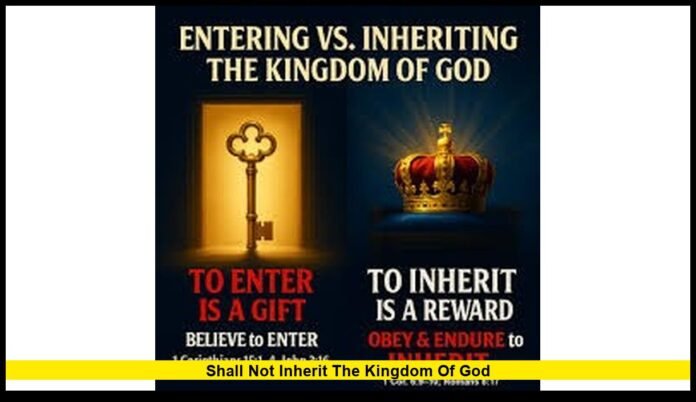

In churches, debates, and personal reflections across the globe, few biblical phrases strike the heart as forcefully as shall not inherit the kingdom of God. This solemn declaration, echoing from ancient texts into modern pulpits, continues to challenge cultural norms, shape theological debates, and stir individual conscience.
As of 2025, this phrase has re-emerged in public conversations—not just as a doctrinal statement but as a moral and spiritual compass. In a time of shifting beliefs, it calls believers to examine their lives and beliefs with clarity and humility.
Understanding the Phrase in Its Original Context
The expression “shall not inherit the kingdom of God” comes from New Testament writings. In several of his letters, the Apostle Paul uses it as both a warning and a theological marker. He names specific behaviors and lifestyles that are incompatible with God’s kingdom and urges believers to live differently.
“Inherit” in biblical language implies receiving something as a rightful heir—a permanent, eternal share in God’s reign. To say someone “shall not inherit” is not a casual remark; it signifies exclusion from that inheritance.
This phrase blends moral instruction, theological depth, and eternal consequence. It is meant to awaken, not simply inform.
A Phrase That Bridges Warning and Hope
At first glance, “shall not inherit the kingdom of God” may seem like a purely negative statement. But in its full biblical context, it operates in two dimensions:
- Warning: It clearly outlines which behaviors are incompatible with God’s kingdom. It functions as a boundary, separating what belongs to the kingdom from what does not.
- Hope: The very passages that contain this phrase also proclaim transformation. People once identified by these behaviors can be changed, cleansed, and restored.
This duality gives the phrase its lasting power. It doesn’t merely condemn; it also invites transformation.
Why the Phrase Still Echoes Powerfully in 2025
Cultural Shifts Demand Moral Anchors
In modern society, definitions of morality, identity, and ethics change rapidly. Many behaviors that once carried clear moral judgments are now viewed through lenses of personal freedom or cultural evolution. Within this fluid moral landscape, shall not inherit the kingdom of God stands as an unchanging reference point. It reminds believers that God’s kingdom operates by divine standards, not public opinion.
Churches Re-engaging with Foundational Truths
Many faith communities have noticed a drift from traditional teachings. As a result, pastors, teachers, and theologians are revisiting foundational biblical phrases to re-anchor their congregations. This phrase, in particular, has gained attention in sermons, conferences, and online discussions as a moral and spiritual boundary marker.
Social Media Amplification
In 2025, short sermon clips and debates featuring this phrase often trend on platforms like Instagram, TikTok, and YouTube. Its bluntness cuts through modern euphemisms. People react to it—some with conviction, others with discomfort—but rarely with indifference.
Theological Foundations: Inheritance, Kingdom, and Transformation
Inheritance and Family Identity
Biblically, inheritance is tied to family identity. A child inherits because they belong to a family. Likewise, those who belong to God inherit His kingdom. But inheritance assumes alignment with the family’s values. A persistent, willful rejection of those values indicates a lack of true belonging.
The Kingdom of God
The kingdom of God represents God’s eternal reign—His rule over those who belong to Him. It is both a present reality and a future inheritance. Entering this kingdom involves more than verbal allegiance; it involves inner transformation and surrender to divine authority.
Transformation Through Grace
The heart of the message is not moral perfection but transformation through grace. The same biblical texts that issue stern warnings also celebrate that “such were some of you.” In other words, those who once lived contrary to the kingdom can be changed by divine power.
Key Themes Embedded in the Phrase
1. Moral Boundaries
The phrase establishes clear moral boundaries. It doesn’t list every possible sin but identifies representative patterns of rebellion that define a lifestyle, not occasional missteps.
2. Personal Accountability
It speaks to individual responsibility. Everyone is called to examine their lives in light of kingdom standards, rather than simply adopting cultural norms.
3. Eternal Perspective
It places human choices within an eternal framework. This is not about temporary rewards or punishments but about ultimate inheritance and destiny.
Modern Interpretations and Debates
The phrase shall not inherit the kingdom of God has been interpreted in multiple ways over centuries. In 2025, debates often focus on three major areas:
Eternal Security vs Conditional Inheritance
Some theological traditions emphasize that once someone is genuinely saved, their inheritance is secure, and this phrase refers to unbelievers. Others argue it is a real warning to believers that persistent, unrepentant sin can disqualify them from inheritance. Churches often differ on this point, leading to varied preaching styles.
Cultural Application vs Timeless Principles
A second debate concerns whether Paul’s specific lists were cultural or timeless. Some argue the behaviors listed were tied to first-century social realities, while others believe they reflect enduring moral truths applicable across eras.
Grace vs Legalism
A third debate revolves around tone. Some fear that emphasizing this phrase leads to legalism, making salvation seem like a checklist of moral achievements. Others insist that ignoring it cheapens grace and undermines moral responsibility. Most balanced interpretations emphasize grace that transforms, not grace that excuses.
How This Phrase Shapes Christian Living Today
Self-Examination
For many believers, encountering this phrase prompts honest reflection. It encourages individuals to look inward, evaluate their habits, and align their lives with the values of the kingdom. It isn’t meant to produce despair, but clarity.
Repentance and Renewal
The phrase drives believers toward repentance—not out of fear alone, but out of love and desire for alignment with God’s will. It acts like a spiritual compass, redirecting hearts when they drift.
Pastoral Preaching and Discipleship
Many pastors use this phrase not just to warn but to teach. They emphasize that inheritance is both a promise and a responsibility. It’s about living as heirs now, not merely waiting for a future kingdom.
Practical Examples Illustrating Its Power
Example 1: The Hidden Life
A leader outwardly respected but living a secret life of habitual wrongdoing hears this phrase preached. It pierces through the facade. The realization that outward image cannot secure eternal inheritance leads to confession and transformation.
Example 2: Cultural Drift
A young believer slowly adopts popular cultural values that contradict biblical teaching. Over time, conviction fades. Hearing the phrase again brings clarity: cultural acceptance does not rewrite kingdom standards.
Example 3: Radical Redemption
A man once known for destructive habits hears the message of grace alongside this warning. He turns his life around completely. Once among those who “shall not inherit,” he now walks as an heir through transformation.
Why This Phrase Is Both Confronting and Comforting
On the surface, “shall not inherit the kingdom of God” can sound harsh. But at its core, it is both a boundary and a beacon. It confronts sin honestly, refusing to soften the seriousness of rebellion. At the same time, it points to a clear path of restoration.
- It confronts the lie that everyone automatically inherits the kingdom regardless of their choices.
- It comforts those who fear they are beyond redemption by offering hope through transformation.
- It clarifies the difference between momentary failures and persistent rebellion.
This blend of honesty and hope is why the phrase continues to shape lives today.
The Role of the Church in 2025
In 2025, churches are increasingly recognizing their responsibility to teach this phrase with clarity and compassion. It is not enough to quote it; leaders must explain it, apply it, and pair it with the transformative power of grace.
- Teaching: Helping congregations understand the phrase theologically and morally.
- Pastoral Care: Guiding those convicted by the phrase toward genuine repentance and healing.
- Cultural Engagement: Responding to societal shifts without diluting kingdom truth.
This balanced approach ensures the phrase remains both relevant and redemptive.
Practical Takeaways for Readers
Here are key steps for anyone reflecting on this phrase today:
- Reflect Honestly – Allow the phrase to challenge personal assumptions and hidden areas.
- Respond with Repentance – Where necessary, turn away from persistent wrongdoing.
- Reaffirm Identity – Remember that inheritance belongs to those transformed by grace, not those performing moral checklists.
- Rely on Community – Walk this journey with others who can encourage accountability and growth.
- Rejoice in Grace – Never forget that the same Bible that warns also redeems.
Frequently Asked Questions
Q1: Does this phrase mean only perfect people can inherit God’s kingdom?
No. It refers to persistent, unrepentant rebellion—not occasional failures. Transformation, not perfection, is the key.
Q2: Is this phrase directed only at non-believers?
No. Paul addressed it to believers as a warning and a reminder, urging them to examine their lives and stay aligned with God’s kingdom.
Q3: Can someone who once lived in sin still inherit the kingdom of God?
Yes. The message of redemption is central. Anyone who repents and is transformed can receive the full inheritance.
Disclaimer: This article is intended for spiritual reflection and educational purposes only. It is not a substitute for pastoral counseling, theological education, or personal study. Interpretations may vary between traditions and denominations. Readers are encouraged to seek guidance from trusted spiritual leaders for deeper understanding.