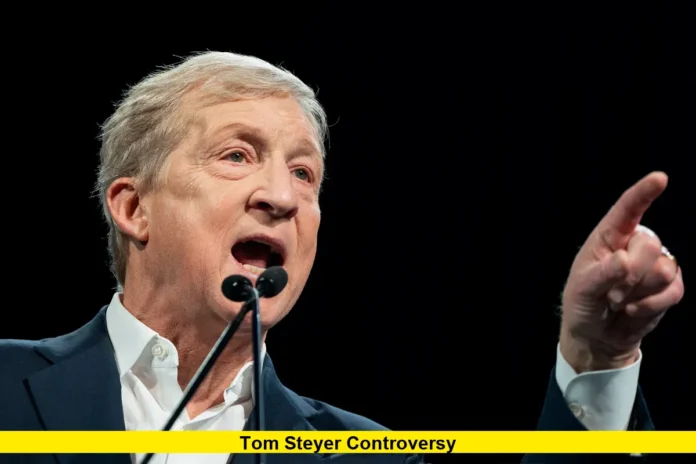

The phrase “Tom Steyer controversy” continues to attract attention as discussions around campaign ethics, billionaire influence in politics, environmental activism, and Democratic Party strategy remain active in American political conversations. Over the years, Tom Steyer has faced criticism from political opponents, watchdog groups, media commentators, and even some fellow Democrats over campaign practices, political spending, and policy positions.
Steyer, a billionaire investor and climate activist, became nationally known through heavy political advertising, anti-Trump campaigns, and his presidential run. While supporters describe him as a climate-focused reformer willing to spend personal wealth to challenge corporate influence, critics argue that his political activities represent another example of billionaire power shaping American elections.
Who Is Tom Steyer?
Tom Steyer is an American hedge fund manager, environmental advocate, philanthropist, and political activist. He founded Farallon Capital Management before transitioning into politics and activism full-time. Steyer gained national prominence through initiatives focused on climate change, clean energy, and impeachment efforts targeting former President Donald Trump.
His presidential campaign drew attention because of the massive personal fortune he invested into political advertising and voter outreach. Even after ending his presidential bid, Steyer remained active in Democratic political circles, especially on environmental issues and voter mobilization efforts.
Why the Tom Steyer Controversy Continues
The controversy surrounding Tom Steyer largely centers on three major areas:
- Campaign finance and political spending
- Allegations involving campaign practices
- Criticism over billionaire influence in democracy
Supporters see Steyer as a wealthy individual using his resources to promote progressive policies. Critics argue that large-scale self-funded political influence can undermine public trust in democratic systems.
Another reason the topic continues trending online is the repeated resurfacing of past campaign allegations and ethics complaints linked to political advertising and influencer partnerships.
Influencer Files Complaint Against Steyer Campaign, Alleging Violations
One of the more widely discussed controversies involved allegations connected to campaign outreach practices. Reports emerged that an influencer filed a complaint against the Steyer campaign, alleging violations tied to political promotional agreements and compensation arrangements.
The complaint reportedly raised concerns regarding transparency and campaign compliance requirements connected to digital political marketing. The allegations sparked broader conversations about how political campaigns use influencers and online personalities to reach younger voters.
While campaign representatives denied wrongdoing and maintained that activities complied with applicable election laws, the situation intensified scrutiny around modern campaign tactics. Political analysts noted that influencer-driven campaigning occupies a relatively new area in election strategy, where regulations continue evolving alongside social media platforms.
The controversy also highlighted growing national concern regarding transparency in sponsored political messaging online. Critics argued that undisclosed or poorly disclosed campaign relationships can create confusion among voters, while supporters claimed digital outreach is now a standard part of modern elections.
Billionaire Influence in Politics
Another major criticism aimed at Tom Steyer involves his personal wealth and political spending power. Before running for president, Steyer already spent millions supporting Democratic causes, environmental campaigns, and impeachment advocacy efforts.
Critics from both conservative and progressive circles questioned whether billionaires should have such enormous influence over political narratives. Some argued that wealthy individuals can dominate media attention through advertising budgets that ordinary candidates cannot match.
However, Steyer defended his spending by saying he used his resources to fight climate change, protect democracy, and counter corporate political influence. Supporters also pointed out that wealthy conservative donors similarly fund political campaigns and advocacy organizations.
The debate reflects a larger national conversation about campaign finance laws, political advertising, and the role of money in American elections.
Climate Activism and Corporate Criticism
Steyer positioned himself as one of the strongest climate-focused figures in national politics. His environmental activism earned praise from many progressive groups, but critics also questioned aspects of his financial background.
Some opponents argued that portions of his investment history conflicted with his climate messaging. Others accused him of benefiting from industries that environmental activists often criticize. Steyer responded by emphasizing his later environmental commitments and clean-energy advocacy work.
His climate proposals frequently included:
- Large investments in renewable energy
- Carbon reduction strategies
- Environmental justice programs
- Expanded green jobs initiatives
These policies helped him build support among climate activists, though critics sometimes described his proposals as overly ambitious or expensive.
Is Tom Steyer a Democrat or Republican?
Many online searches continue asking: “is tom steyer a democrat or republican.” Tom Steyer is a Democrat and has consistently supported Democratic Party candidates, causes, and policy initiatives. He became especially visible during campaigns opposing Republican leadership and advocating progressive reforms. Throughout his political involvement, Steyer funded Democratic voter outreach efforts, environmental campaigns, and anti-Trump initiatives. His presidential campaign also ran under the Democratic Party banner during the Democratic primary race. Although critics occasionally described him as an outsider because of his business background, his political positions align far more closely with modern Democratic priorities, especially on climate policy, healthcare access, voting rights, and corporate regulation.
Tom Steyer Policies
Search interest around “tom steyer policies” remains strong because many voters still associate him with climate-focused political reform. Steyer’s policy platform emphasized aggressive action on climate change, investments in renewable energy, campaign finance reform, healthcare access, and economic fairness. He frequently supported stronger environmental regulations and major federal investments designed to transition the United States toward clean energy industries. Steyer also advocated for voting rights protections and reducing the influence of large corporations in politics. During his presidential campaign, he promoted plans related to education affordability and economic opportunity. Critics argued some proposals would require major federal spending increases, while supporters viewed his policies as necessary long-term investments in environmental and economic stability.
Tom Steyer AIPAC
The phrase “tom steyer aipac” has also generated online discussion due to ongoing debates surrounding U.S.-Israel relations within Democratic politics. AIPAC, the American Israel Public Affairs Committee, has long played a major role in American political lobbying connected to Israel policy. Tom Steyer’s positions on Middle East issues occasionally attracted attention because he attempted to balance traditional Democratic support for Israel with progressive concerns regarding human rights and diplomacy. Some progressive activists believed Democratic leaders should take a tougher stance on Israeli government policies, while pro-Israel groups often supported maintaining strong bilateral relationships. Although Steyer was not among the most controversial figures in these debates, his comments and policy discussions sometimes drew scrutiny from both sides of the political spectrum, reflecting broader divisions within Democratic foreign policy conversations.
Criticism From Democratic Rivals
During the Democratic presidential primary, Steyer faced criticism from rival candidates who questioned whether billionaire self-funding distorted the democratic process. Some opponents argued that ordinary candidates lacked the same ability to buy advertising and gain visibility.
Others criticized Steyer’s late entry into the presidential race, suggesting his campaign relied too heavily on marketing rather than grassroots organizing. Still, Steyer managed to gain debate-stage visibility through aggressive ad spending and voter outreach.
Political analysts noted that his campaign represented a growing trend where wealthy outsiders attempt to enter national politics using personal financial resources and media saturation.
Media Coverage and Public Perception
Media coverage of Tom Steyer often reflected sharply divided public opinions. Progressive environmental groups frequently praised his climate activism and voter engagement efforts. Conservative commentators, meanwhile, criticized his impeachment campaigns and large-scale political spending.
Some independent analysts argued that Steyer represented a contradiction in modern politics: a billionaire advocating against concentrated corporate influence while simultaneously benefiting from enormous personal financial power.
Public reaction also varied depending on political affiliation. Democratic voters focused more on his environmental policies, while critics concentrated on campaign spending and political influence concerns.
Digital Campaigning and Ethical Questions
The influencer complaint against the Steyer campaign also sparked broader debate about ethics in digital campaigning. Political experts increasingly warn that social media advertising, influencer partnerships, and online targeting strategies can blur lines between entertainment and political persuasion.
As campaigns continue shifting toward online engagement, regulators face pressure to update disclosure rules and transparency standards. The Steyer-related allegations became part of a larger national discussion involving political accountability in digital spaces.
Many analysts believe future election cycles will see stricter scrutiny surrounding influencer partnerships and sponsored political content.
The Lasting Impact of the Tom Steyer Controversy
Although Tom Steyer is no longer running for president, controversies connected to his campaigns and political activism continue surfacing online. Discussions surrounding billionaire influence, campaign ethics, climate policy, and digital political marketing remain highly relevant in American politics.
For supporters, Steyer represents a wealthy activist willing to spend resources fighting climate change and supporting progressive causes. For critics, he symbolizes the growing influence of billionaire-funded politics and the ethical concerns surrounding modern campaign tactics.
As campaign regulations evolve and digital political strategies become more sophisticated, controversies involving influential political figures like Tom Steyer are likely to remain part of national political conversations for years to come.
What do you think about the Tom Steyer controversy and the role of billionaire influence in politics? Share your thoughts in the comments and stay updated for more political news and analysis.