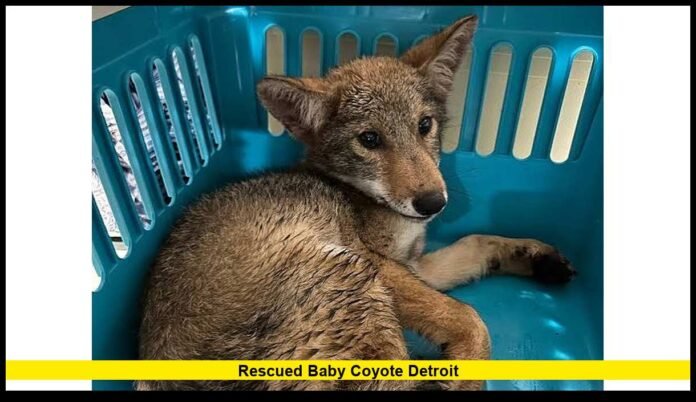

The rescued baby coyote Detroit story has captured public attention after a young coyote pup found injured on the roadside was taken in for professional care. The baby animal, later named Kojo, was discovered by a boy named Levi, who initially believed he had found a lost puppy. The animal was later identified as a coyote pup and was brought to Detroit Animal Welfare Group (DAWG) for rehabilitation after suffering a broken leg.
The unusual rescue has gained interest because of the quick actions that helped the injured wild animal receive treatment. What appeared to be a simple encounter with a small puppy turned into a wildlife rescue situation that highlighted the importance of recognizing when wild animals need professional assistance.
Kojo’s recovery has become a story of compassion, wildlife care, and responsible intervention. The case also reminds residents that young wild animals should not be taken home or treated like domestic pets without guidance from trained professionals.
How the Baby Coyote Was Discovered in Detroit
The incident began when Levi found the small animal on the side of the road. At first glance, the young animal looked like a puppy, but further evaluation revealed that it was actually a coyote pup.
The discovery happened when the animal was vulnerable and needed help. The pup had a broken leg, making it difficult for the young coyote to survive without medical attention.
Instead of leaving the animal alone or attempting to care for it without assistance, the situation was reported and the coyote was taken to professionals who could provide proper treatment.
The rescue quickly gained attention because of the unexpected discovery. Many people who encounter young wildlife may not immediately recognize the difference between a wild animal and a domestic pet, especially when the animal is very young.
Kojo’s Condition After Being Rescued
After being rescued, the baby coyote received care through Detroit Animal Welfare Group. The organization identified the animal as a coyote pup and named him Kojo.
The young animal arrived with an injured leg that required attention. Wildlife caregivers focused on helping Kojo recover while maintaining behaviors needed for survival in the wild.
Unlike domestic animals, coyotes require specialized rehabilitation. The goal is not to make them dependent on humans but to prepare them for a possible return to their natural environment.
During rehabilitation, wildlife experts monitor factors such as:
- Physical recovery from injuries
- Ability to interact appropriately with other coyotes
- Natural behaviors
- Independence from human care
Kojo’s situation showed why wildlife rehabilitation requires patience and specialized knowledge.
Why This Rescue Became Important for Detroit Residents
The story attracted attention because it showed how a small decision can make a major difference for wildlife. Finding an injured animal can be confusing, especially when it appears young and helpless.
Many residents may want to immediately pick up a baby animal, provide food, or bring it home. However, wildlife experts often recommend contacting professionals first.
Young coyotes may need assistance, but human contact can create problems if the animal becomes too comfortable around people. Rehabilitation specialists work carefully to balance medical support with preserving natural instincts.
Kojo’s rescue helped bring awareness to the proper way communities can respond when they encounter wild animals in need.
The Role of Detroit Animal Welfare Group in Kojo’s Recovery
Detroit Animal Welfare Group played an important role in providing care after the young coyote was discovered.
Wildlife rehabilitation organizations help animals that are injured, orphaned, or unable to survive without temporary support. Their work includes medical care, safe housing, and preparation for future release when possible.
For animals like Kojo, rehabilitation is different from ordinary pet care. Caregivers must avoid creating a strong human attachment while still providing the treatment needed for recovery.
The organization’s involvement allowed the young coyote to receive specialized attention instead of facing the challenges of surviving with an untreated injury.
Understanding Baby Coyotes Found in Urban Areas
Coyotes have adapted to many environments across the United States, including areas near cities. Urban wildlife encounters are becoming more common as animals move through neighborhoods, parks, and roadside areas.
A baby coyote found alone does not always mean it has been abandoned. In many cases, adult coyotes leave pups hidden while searching for food.
However, signs of injury or distress may indicate that professional help is needed.
Residents should look for warning signs such as:
- Visible injuries
- Difficulty walking or standing
- Extreme weakness
- Signs of danger from traffic or other hazards
- A situation where the animal cannot safely survive alone
When these signs appear, contacting wildlife professionals is usually the safest option.
What Residents Should Do If They Find a Baby Coyote
The Kojo rescue also highlights the importance of knowing how to respond during wildlife encounters.
Experts generally recommend keeping a safe distance and avoiding direct handling unless instructed by trained responders.
Helpful steps include:
- Keeping children and pets away from the animal
- Avoiding attempts to raise the animal at home
- Not feeding the coyote
- Contacting wildlife professionals for guidance
- Observing from a distance if the animal appears safe
These steps protect both the animal and the people nearby.
A young coyote may look harmless, but it remains a wild animal with specific needs that differ from household pets.
Kojo’s Recovery and Future in Rehabilitation
The focus of Kojo’s care is helping him grow stronger while maintaining the skills needed for life outside human assistance.
Wildlife rehabilitation programs aim to prepare animals for independence. For young coyotes, that means learning natural behaviors and developing confidence away from people.
The rescue team continues to provide the environment needed for recovery. The process requires time because releasing an animal too early can reduce its chances of survival.
Successful rehabilitation depends on both physical healing and behavioral development.
Community Reaction to the Detroit Wildlife Rescue
The story has received positive attention because it combines a surprising discovery with a hopeful outcome. Many people have expressed appreciation for the care given to the young coyote and the actions that helped him reach safety.
The rescue also created an opportunity to educate the public about wildlife protection. Stories involving injured animals often encourage communities to learn more about responsible interactions with local species.
Kojo’s journey represents how cooperation between residents and wildlife professionals can help vulnerable animals.
Lessons From the Baby Coyote Rescue
The rescue offers several important lessons for communities where wildlife and people share the same spaces.
First, appearances can be misleading. An animal that looks like a puppy may actually require specialized wildlife care.
Second, quick action does not always mean taking an animal home. The best help often comes from contacting people trained to handle wildlife situations.
Finally, every rescue depends on awareness. Knowing when to step in and when to seek professional advice can improve outcomes for wild animals.
The story of Kojo demonstrates how compassion combined with responsible action can give injured wildlife a better chance.
The rescued coyote’s journey continues to remind Detroit residents that kindness toward wildlife starts with understanding, so share your thoughts in the comments and stay informed about future updates.