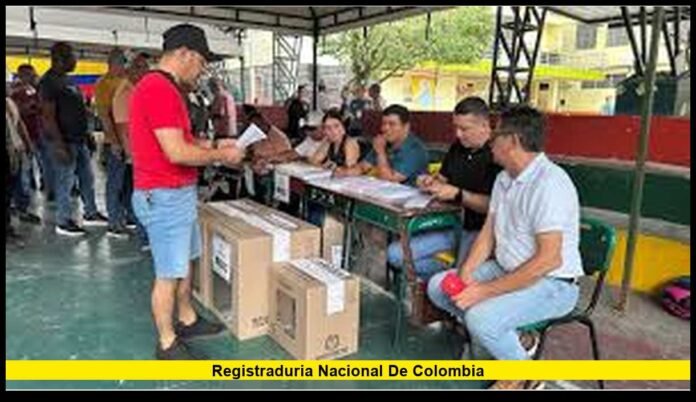

Registraduria Nacional de Colombia continues to play a vital role in the country’s democratic system as Colombia moves through a historic political period in 2026. The institution remains responsible for organizing elections, maintaining voter rolls, issuing identification documents, and managing civil registration records for millions of citizens. Following the completion of Colombia’s latest presidential election cycle, public attention remains focused on how the agency handled one of the largest electoral operations in the nation’s history.
For many readers in the United States, understanding Colombia’s electoral structure begins with understanding the work of the Registraduría Nacional del Estado Civil. The organization serves as one of the most important public institutions in the country, touching nearly every aspect of civic life from birth registration to voting participation.
Understanding the Registraduría Nacional del Estado Civil
The Registraduría Nacional del Estado Civil is Colombia’s national authority responsible for civil registration and election administration. Its duties extend far beyond election day.
The institution manages official records of births, marriages, deaths, and identification documents. At the same time, it oversees voter registration systems and coordinates the logistics necessary for national, regional, and local elections.
Because every Colombian citizen interacts with civil registration services at various stages of life, the institution occupies a unique position within the country’s government framework.
Election years often bring the agency into the international spotlight. During those periods, its responsibilities expand significantly as it prepares voting locations, updates voter databases, trains election personnel, and supervises result reporting.
Why the Institution Drew Global Attention in 2026
Colombia’s 2026 presidential election attracted attention throughout Latin America and beyond. Political observers, international organizations, and foreign governments closely followed developments leading up to the vote.
The election featured strong voter engagement and extensive public interest. Millions of citizens participated in a process that required months of preparation.
The Registraduría coordinated operations across thousands of polling locations while also supporting voting opportunities for Colombian citizens living abroad.
As election day approached, officials focused on ensuring smooth logistics, secure voting procedures, and accurate voter information.
The successful organization of such a large national vote reinforced the importance of professional election administration in modern democracies.
A Massive Electoral Operation
Running a nationwide election in Colombia presents significant logistical challenges.
The country includes large urban centers, remote mountain communities, jungle regions, coastal areas, and island territories. Election officials must ensure that eligible voters can participate regardless of location.
The 2026 presidential election involved more than 41 million eligible voters.
To support participation, authorities established thousands of polling stations and voting tables across the country.
Election administrators coordinated with local governments, security agencies, transportation providers, and diplomatic missions overseas.
Every ballot, voting table, and reporting system required careful planning long before voting began.
The scale of the operation highlights the complexity of administering elections in a nation with diverse geography and a large population.
Maintaining the Electoral Census
One of the institution’s most important responsibilities is maintaining the electoral census.
The electoral census serves as the official voter registry used during elections. It identifies who is eligible to vote and determines where each voter is assigned.
Officials regularly update the database to reflect new registrations, changes in residence, and other relevant information.
Accurate voter records help reduce administrative problems on election day and strengthen confidence in the electoral process.
For the 2026 presidential election, authorities finalized voter eligibility records before the official voting period.
This preparation ensured that election administrators worked from a verified database when assigning polling locations and processing voter information.
Election Day Responsibilities
Election day involves much more than opening polling stations.
The Registraduría coordinates thousands of workers and volunteers throughout the country.
Officials oversee the distribution of voting materials, manage communication systems, provide voter assistance, and monitor operational performance.
Polling stations typically open in the morning and remain available throughout the day.
Election personnel verify voter identity, process participation records, and maintain voting procedures established by Colombian law.
Throughout the voting period, election administrators address technical questions, logistical concerns, and operational issues that may arise.
Their goal is to provide a smooth experience for voters while protecting the integrity of the process.
The Importance of Election Jurors
A defining feature of Colombian elections is the use of election jurors.
These citizens perform essential functions at voting tables throughout the country.
Election jurors verify identification documents, record participation, distribute ballots, and complete official election paperwork.
They also help ensure that voting procedures remain consistent across thousands of locations.
The participation of ordinary citizens in election administration reflects a long-standing tradition within Colombia’s democratic system.
Training programs prepare jurors for their responsibilities before election day.
Their work contributes directly to the efficiency and credibility of the voting process.
Voting Abroad: Serving Millions of Colombians Overseas
Millions of Colombian citizens reside outside their home country.
To support their democratic participation, the Registraduría organizes overseas voting operations through embassies and consulates.
This effort allows citizens living in North America, Europe, Latin America, Asia, and other regions to cast ballots during national elections.
Managing international voting requires substantial coordination.
Election materials must reach diplomatic missions on time. Personnel must receive proper training. Security procedures must meet established standards.
The overseas vote has become increasingly significant as Colombia’s global community continues to grow.
For many citizens abroad, participation provides an important connection to their country’s democratic institutions.
Identity Documents and Civic Participation
The institution’s responsibilities extend beyond elections.
One of its most visible functions involves issuing national identification documents.
These documents are essential for voting, accessing government services, conducting financial transactions, and completing many legal procedures.
In recent years, Colombia has modernized portions of its identification system.
Digital identity initiatives have introduced new tools designed to improve convenience while maintaining security.
Modern identification systems help reduce fraud, streamline public services, and improve administrative efficiency.
They also support accurate voter verification during elections.
Technology’s Growing Role in Election Administration
Technology has transformed election management around the world.
Colombia is no exception.
The Registraduría uses digital systems to maintain voter records, support logistical planning, and provide public information.
Technology allows election administrators to process large amounts of information efficiently.
Citizens can access election-related details more easily than in previous decades.
However, election administration still relies heavily on human oversight.
Officials continue to use verification procedures designed to ensure accuracy and transparency.
This combination of technological tools and traditional safeguards helps maintain public confidence in electoral outcomes.
Building Public Confidence
Public trust remains one of the most important elements of any democratic process.
Citizens must believe that elections are administered fairly and consistently.
The Registraduría works to promote confidence through transparency measures, public communication, and clearly defined procedures.
Election authorities routinely provide information regarding voter registration, polling locations, voting requirements, and result reporting.
Open communication helps reduce confusion and encourages informed participation.
Strong election administration contributes to democratic stability by ensuring that citizens can exercise their voting rights with confidence.
Managing Challenges in a Modern Democracy
Election authorities face numerous challenges in the digital age.
Rapid information sharing can increase public engagement, but it can also create confusion when inaccurate claims spread online.
As a result, election administrators must communicate clearly and respond quickly when questions arise.
Other challenges include cybersecurity concerns, logistical demands, population growth, and changing voter expectations.
Each election cycle presents new circumstances that require careful planning.
The ability to adapt while maintaining consistent procedures has become a key characteristic of successful election administration.
The Connection Between Civil Registration and Elections
Many people associate the Registraduría primarily with elections.
Yet civil registration remains a foundational part of its mission.
Every birth recorded, identification document issued, and legal status update contributes to an accurate national database.
That information supports countless government functions.
It also helps ensure that electoral records remain current.
Without reliable civil registration systems, maintaining accurate voter rolls would become much more difficult.
This connection illustrates why the institution occupies such a central position within Colombia’s public administration structure.
Democratic Participation in Colombia
Colombia’s democracy depends on the participation of millions of citizens.
The Registraduría serves as the administrative bridge between voters and the electoral system.
By organizing elections, maintaining voter databases, and verifying eligibility, the institution helps translate democratic rights into practical participation.
Every election provides an opportunity for citizens to shape their country’s future.
The administrative work performed behind the scenes makes that participation possible.
While political debates often dominate headlines, election administration remains equally important to the functioning of democratic institutions.
International Interest in Colombia’s Electoral System
Foreign governments, academic researchers, and election experts frequently study electoral systems across Latin America.
Colombia’s approach attracts attention because it combines extensive civil registration responsibilities with large-scale election management.
The country’s experience offers lessons in voter administration, identification systems, and election logistics.
International observers often examine how institutions balance accessibility, transparency, and security.
The Registraduría’s role in organizing nationwide elections provides a valuable case study in democratic governance.
As technology continues to evolve, election agencies worldwide face similar questions regarding modernization and public trust.
Looking Ahead
Following the conclusion of the 2026 presidential election cycle, attention is shifting toward future administrative priorities.
Election authorities will continue managing voter records, civil registration services, and identification programs.
Officials are also expected to review operational experiences from the recent election cycle to identify opportunities for improvement.
Future initiatives may focus on digital services, voter accessibility, administrative modernization, and continued efficiency gains.
These efforts reflect broader trends affecting election agencies around the world.
As democratic participation evolves, institutions responsible for administering elections must evolve as well.
Why the Registraduría Remains Essential
Few public institutions interact with citizens as frequently as the Registraduría Nacional del Estado Civil.
From the registration of a child’s birth to participation in a presidential election, the agency plays a direct role in civic life.
Its responsibilities touch identity, citizenship, public records, and democratic participation.
The successful management of major elections demonstrates the importance of strong administrative institutions within democratic societies.
As Colombia continues to navigate political, social, and technological change, the Registraduría will remain a central pillar of the country’s democratic framework.
Its work affects millions of citizens, supports electoral integrity, and helps ensure that democratic participation remains accessible across Colombia and around the world.
How do you view the role of election authorities in maintaining trust in democratic systems? Share your thoughts and continue following the latest developments from Colombia’s electoral institutions.