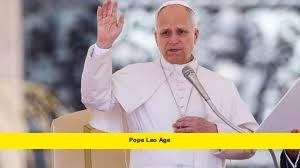

The conversation around pope leo age has taken on renewed relevance as Pope Leo XIV steps into the spotlight during a delicate phase in international diplomacy. At 70, the American-born pontiff is not only guiding the Catholic Church but also weighing in on one of the most sensitive geopolitical developments—the ongoing ceasefire discussions between the United States and Iran.
His latest remarks, delivered from the Vatican during a solemn gathering, have sparked worldwide attention. Speaking with urgency, Pope Leo warned against what he described as a dangerous mindset of unchecked power, calling it a “delusion of omnipotence” that continues to fuel global instability.
Readers following international affairs should pay close attention, as the pope’s words are shaping broader conversations around leadership, responsibility, and the pursuit of peace.
Understanding Pope Leo XIV’s Leadership Profile
Pope Leo XIV assumed the papacy during a period marked by uncertainty and rapid global change. Born in the United States, he represents a historic shift in the Church’s leadership, bringing a distinctly American perspective to a traditionally European institution.
At 70 years old, he combines decades of pastoral experience with a modern awareness of geopolitical dynamics. His approach to leadership is marked by clarity and conviction, often addressing global issues with a tone that blends moral reflection and practical concern.
Unlike leaders who avoid politically sensitive topics, Pope Leo has shown a willingness to engage directly with pressing international challenges.
A Strong Message on Power and Responsibility
In his recent address, Pope Leo delivered one of his most pointed critiques to date. His reference to a “delusion of omnipotence” reflects a belief that some global leaders are acting as though they are beyond accountability.
He emphasized that such thinking leads to dangerous consequences, particularly in times of conflict. By framing the issue in moral terms, the pope underscored the ethical dimension of political decision-making.
He also made it clear that violence cannot be justified through religious reasoning. According to his message, faith should guide humanity toward compassion and reconciliation, not division or conflict.
Diplomatic Developments: A Fragile Pause in Conflict
The pope’s remarks coincided with ongoing ceasefire negotiations involving the United States and Iran. These discussions, currently taking place through diplomatic channels in Pakistan, represent a rare opportunity to de-escalate tensions that have been building for weeks.
The ceasefire itself remains temporary, with both sides navigating complex disagreements. Key areas of negotiation include military activity in the region, maritime security, and broader concerns related to nuclear capabilities.
While progress has been slow, the continuation of dialogue is being viewed as a positive sign amid an otherwise volatile situation.
Why the Pope’s Words Carry Weight
Pope Leo’s intervention adds a unique dimension to the conversation. Unlike political leaders, he speaks from a position rooted in moral authority rather than national interest.
His message resonates across borders, appealing to both religious communities and secular audiences. By addressing the ethical implications of power, he is encouraging leaders to reconsider the long-term consequences of their actions.
For many observers, his comments serve as a reminder that decisions made in government offices have real human impacts.
Human Consequences at the Center of the Crisis
Beyond the political negotiations, the ongoing tensions have had a significant impact on civilians. Communities in affected regions continue to face uncertainty, displacement, and economic hardship.
Pope Leo has repeatedly drawn attention to these human stories, urging leaders to prioritize the well-being of ordinary people. He has highlighted the vulnerability of children, families, and those living in conflict zones, emphasizing that their suffering should not be overlooked.
His focus on humanitarian concerns reinforces the urgency of reaching a lasting resolution.
A Clear Stand Against Religious Justification for War
One of the most notable aspects of Pope Leo’s statement is his firm rejection of using religion to justify violence.
He warned that invoking faith as a tool for conflict undermines its true purpose. Instead of promoting division, religion should act as a bridge that fosters understanding and peace.
This perspective challenges narratives that frame geopolitical disputes in religious terms, offering an alternative vision grounded in unity and shared humanity.
Reactions Across the International Community
Pope Leo’s remarks have been widely discussed among global leaders and diplomatic circles. While he did not single out specific governments, the timing of his message has made its implications clear.
Officials involved in the ceasefire talks are navigating a complex landscape, and the pope’s words add an ethical layer to their deliberations. His call for humility and restraint has been echoed by various leaders advocating for continued dialogue.
The broader response suggests that his influence extends beyond religious institutions into the realm of international policy.
The Road Ahead for Ceasefire Negotiations
As discussions continue, the outcome remains uncertain. The ceasefire offers a temporary reprieve, but significant challenges still need to be addressed.
Negotiators are working through key sticking points, including security arrangements and long-term stability in the region. The success of these talks will depend on the willingness of both sides to compromise and maintain open communication.
Pope Leo has urged all parties to remain committed to peaceful solutions, emphasizing that sustained dialogue is essential for lasting stability.
Pope Leo Age and His Expanding Global Role
The significance of pope leo age becomes even more apparent when considering his growing influence on the world stage. At 70, he is actively shaping discussions that extend far beyond the Church.
His ability to connect moral principles with current events has positioned him as a key figure in global discourse. As tensions continue to evolve, his voice is likely to remain an important part of the conversation.
Observers note that his leadership style reflects a balance of experience and urgency, enabling him to respond effectively to rapidly changing circumstances.
A Moment That Defines Leadership in Modern Times
The convergence of Pope Leo’s leadership and the ongoing ceasefire talks highlights a critical moment in international relations.
His warning about the dangers of unchecked power serves as a timely reminder of the responsibilities that come with leadership. By advocating for humility and dialogue, he is encouraging a shift away from confrontation toward cooperation.
As the world watches these developments unfold, the role of moral leadership becomes increasingly significant.
What are your thoughts on Pope Leo’s stance during these high-stakes negotiations? Share your perspective and keep following for the latest global updates.