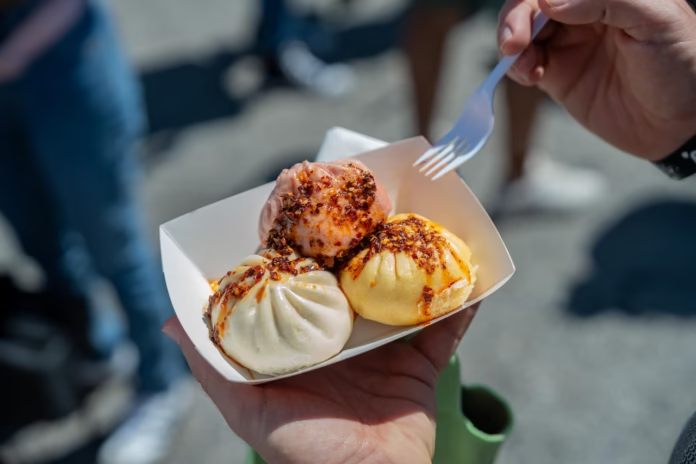

Crowds packed Ohiri Field on Sunday as Panda Fest Boston wrapped up its final day with a lively mix of Asian street food, cultural entertainment, music, and family activities that drew visitors from across the region. Long vendor lines, nonstop performances, and heavy social media buzz turned the festival into one of the city’s biggest weekend attractions.
Attendees arrived throughout the day to sample dishes from multiple Asian cuisines while exploring artisan booths, live demonstrations, and interactive exhibits. Organizers positioned the event as more than a food festival, blending culinary experiences with cultural storytelling and community engagement.
The atmosphere reflected the growing popularity of large multicultural events in major U.S. cities, where audiences increasingly seek experiences that combine entertainment, travel, and global cuisine in one setting.
Festival Grounds Filled Early as Demand Surged
By late morning, large sections of the venue were already crowded with guests moving between food stalls and entertainment areas. Visitors formed long lines for popular menu items including dumplings, grilled skewers, noodle bowls, mochi desserts, bubble tea, and fried street snacks.
Several vendors sold out of signature dishes before evening hours, highlighting the strong demand generated by the event’s online visibility and word-of-mouth popularity.
Families, college students, and tourists made up a large share of attendees. Many visitors spent several hours at the festival moving between food areas, music stages, and shopping booths.
Unlike traditional food fairs centered only on dining, the event placed equal emphasis on cultural immersion. Decorative installations, themed displays, and live acts helped create an environment designed for both entertainment and social sharing.
Asian Cuisine Continues to Drive Major Festival Trends
The continued rise of Asian-inspired food culture across the United States has fueled strong attendance at events like this. Consumers increasingly seek authentic dishes and regional specialties rather than generic festival menus.
Street food culture has become especially influential among younger audiences, many of whom discover new dishes through short-form video content online.
Festival vendors responded to those trends with highly visual presentations and limited-edition menu offerings designed to attract attention both in person and on social media.
Some of the most photographed items included oversized beverages, colorful desserts, hand-crafted pastries, and sizzling grilled specialties prepared directly in front of customers.
Food industry analysts say these events have evolved into powerful marketing opportunities for small culinary businesses trying to build loyal audiences beyond local neighborhoods.
Entertainment Became a Major Attraction
While food remained the centerpiece, performances and cultural programming played a major role in maintaining visitor engagement throughout the weekend.
Dance showcases, musical acts, traditional costume presentations, and interactive demonstrations drew large crowds near the main stage areas. Audience participation segments helped maintain energy levels between scheduled performances.
Children’s activity zones and family-oriented programming also expanded the event’s appeal beyond younger food-focused audiences.
Festival organizers appeared focused on creating an environment that appealed to multiple generations simultaneously. That broader strategy has become increasingly important for outdoor events competing for attention in crowded entertainment markets.
Visitors often moved back and forth between dining areas and performance spaces, helping maintain steady foot traffic across the venue during peak afternoon hours.
Boston’s Festival Market Continues to Grow
Boston has become an increasingly important market for large-scale cultural events over the past several years. The city’s dense student population, tourism industry, and international communities have created strong demand for globally themed experiences.
Seasonal outdoor events now play a larger role in the local economy, especially during warmer months when public gathering spaces become central entertainment hubs.
Event planners have responded by launching festivals that emphasize cultural authenticity, specialty foods, and immersive experiences rather than traditional fairground formats.
That shift has helped attract younger audiences who prioritize experiences and social interaction over conventional entertainment options.
The success of Panda Fest Boston also reflects how regional festivals can quickly gain national visibility through digital platforms without relying heavily on traditional advertising campaigns.
Social Media Turned Festival Moments Into Viral Content
One of the most noticeable aspects of the event was the constant stream of photo-taking and video recording throughout the grounds.
Guests regularly stopped at decorated installations, themed displays, and brightly designed food stations to capture content for TikTok, Instagram, and YouTube.
Many vendors intentionally designed their booths and menu items to encourage online sharing. Bright colors, oversized portions, and dramatic preparation methods became part of the attraction itself.
Live cooking stations generated especially large crowds, with visitors gathering to watch chefs prepare grilled meats, handmade dumplings, desserts, and specialty drinks in real time.
Short-form videos from the festival circulated widely during the weekend, helping drive additional attendance and expanding interest beyond the local Boston area.
Marketing experts increasingly view these organic online moments as one of the most valuable aspects of modern food festivals.
Small Businesses Benefited From Heavy Foot Traffic
For independent vendors, the festival represented more than a weekend sales opportunity. Events of this scale can dramatically increase brand recognition for restaurants, food startups, and specialty retailers.
Many businesses use festival appearances to test new products, introduce seasonal menus, or build regional customer bases.
Some vendors reported that attendees traveled significant distances specifically to try menu items they had previously seen online.
The event also created opportunities for artisans and small retail operators selling handmade products, clothing, accessories, and cultural merchandise.
Economic activity generated by large festivals often extends beyond the venue itself. Nearby transportation providers, hotels, convenience stores, and restaurants can also experience increased demand during high-attendance weekends.
Operational Challenges Remained Manageable
Large crowds naturally created periods of congestion near top-selling vendors and performance areas, especially during afternoon peak hours.
However, organizers appeared prepared for high attendance levels with designated walkways, expanded seating sections, and visible staff throughout the grounds.
Security teams monitored entrances and maintained crowd movement while sanitation crews worked continuously to manage waste and maintain public areas.
Outdoor festivals across the country have faced increased scrutiny regarding organization and safety in recent years, making operational execution a critical factor in long-term success.
Attendees generally responded positively to the overall layout and event management, particularly given the scale of turnout.
Cultural Festivals Are Becoming Mainstream Entertainment
Events centered on international cuisine and cultural exchange are no longer considered niche attractions. Across the country, multicultural festivals have entered the mainstream entertainment landscape.
Several major trends are driving that expansion:
- Increased consumer interest in global food experiences
- Growing multicultural populations in urban areas
- Demand for outdoor social activities
- Rising popularity of experiential entertainment
- Strong influence from social media food culture
Modern audiences increasingly value events that provide both entertainment and educational experiences. Festivals now compete not only with concerts and sporting events but also with streaming entertainment and digital media consumption.
Organizers who successfully combine authenticity, visual appeal, and convenience are often able to build highly loyal audiences.
Future Growth Appears Likely
The strong turnout during the final day suggests the event could continue expanding in future years.
Potential growth opportunities may include larger venues, extended schedules, additional cities, and expanded partnerships with regional businesses and performers.
Industry observers say food festivals that successfully create repeat attendance often evolve into major tourism draws over time.
Night market concepts, seasonal spin-offs, and traveling editions have become increasingly common among successful festival brands nationwide.
Boston’s strong attendance numbers may encourage organizers to further invest in future editions while expanding programming and vendor selection.
Visitors Embraced the Community Atmosphere
Beyond the food and entertainment, many attendees described the event as a social gathering space that encouraged connection and cultural appreciation.
Groups of friends shared dishes from multiple vendors while families explored performances and activity areas together.
For many visitors, the festival offered an opportunity to experience traditions and cuisines they might not normally encounter in everyday life.
That sense of discovery helped distinguish the event from standard food fairs focused solely on dining.
As crowds slowly filtered out during the evening hours, vendors and performers closed out a weekend that showcased both the commercial strength and cultural significance of large-scale international festivals in modern American cities.
The enthusiasm surrounding the event demonstrated how strongly audiences continue responding to experiences that combine food, entertainment, and community in a single destination.