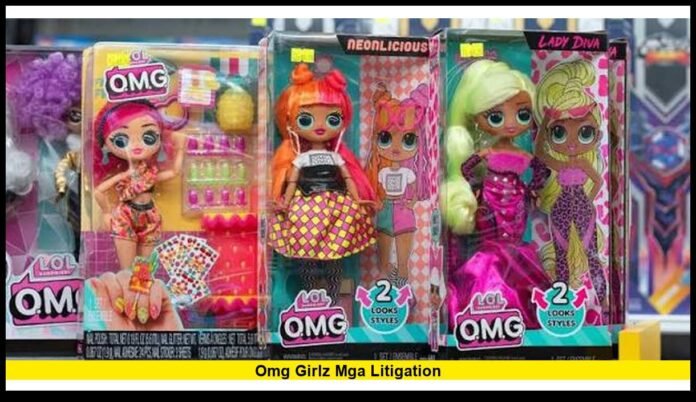

The OMG Girlz MGA litigation continues to draw national attention as one of the most significant intellectual property disputes involving the music and toy industries. As of July 2, 2026, the lawsuit remains active, with court proceedings continuing over punitive damages while post-trial legal matters and appeals have yet to reach a final resolution. Although a jury previously awarded substantial damages to the plaintiffs, the case is not over, making it one of the most closely followed legal battles involving celebrity branding and commercial product design.
The dispute has unfolded over several years and multiple courtroom proceedings. It has included a mistrial, a defense verdict, a new trial ordered by the court, a major jury award, and continuing litigation over damages. Because of its unusual history, the case has become an important example of how U.S. courts handle claims involving trade dress, likeness rights, and brand identity.
What Is the OMG Girlz MGA Litigation?
The lawsuit centers on allegations that MGA Entertainment copied the recognizable appearance and branding associated with the OMG Girlz when designing certain dolls in its L.O.L. Surprise! O.M.G. collection.
The plaintiffs include:
- OMG Girlz LLC
- Clifford “T.I.” Harris
- Tameka “Tiny” Harris
- Grand Hustle LLC
- Pretty Hustle LLC
The defendants are:
- MGA Entertainment
- MGA founder Isaac Larian
The plaintiffs argue that several dolls featured visual elements that closely matched the group’s distinctive public image. Those elements include hairstyles, clothing styles, accessories, makeup, and the overall fashion presentation that helped establish the group’s identity over many years.
MGA Entertainment has consistently denied those allegations. The company maintains that its dolls were created independently and reflect popular fashion trends rather than copying the music group’s protected identity.
How the Dispute Began
The legal battle started in 2020 when MGA Entertainment filed a lawsuit asking the court to declare that its dolls did not violate the rights of the OMG Girlz.
Soon afterward, the OMG Girlz and the related business entities filed counterclaims. They alleged several violations involving intellectual property and unfair competition.
The major legal claims included:
- Trade dress infringement
- False endorsement
- Misappropriation of likeness
- Unfair competition
- Related intellectual property violations
From that point forward, the dispute evolved into one of the most closely watched entertainment-related lawsuits involving consumer products.
Why Trade Dress Became the Center of the Case
Unlike a traditional trademark case that focuses on a logo or brand name, this lawsuit centered largely on trade dress.
Trade dress protects the distinctive overall appearance of a product, person, or commercial presentation when that appearance identifies a particular source in the minds of consumers.
During the trial, the plaintiffs argued that the OMG Girlz developed a recognizable visual identity through years of performances, music videos, promotional events, and merchandise.
Jurors were asked to determine whether certain dolls copied enough of that recognizable appearance to violate legal protections.
The court did not simply compare names. Instead, jurors examined complete visual presentations.
Who Are the OMG Girlz?
The OMG Girlz became well known during the early 2010s.
The original members included:
- Zonnique Pullins
- Bahja Rodriguez
- Breaunna Womack
The group gained recognition for colorful fashion, coordinated outfits, bold hairstyles, and a youthful image that helped distinguish them from other performers.
Tameka “Tiny” Harris played an important role in developing and managing the group’s brand.
According to the lawsuit, that visual branding later became one of the most valuable parts of the group’s commercial identity.
The First Trial Ended Without a Verdict
The first jury trial took place in early 2023.
Before jurors could reach a decision, the judge declared a mistrial.
The mistrial followed testimony involving racial issues and cultural appropriation that had been limited by earlier court rulings.
Because the trial ended without a verdict, the case moved forward to another jury.
The Second Trial Favored MGA Entertainment
Later in 2023, a second trial produced a favorable outcome for MGA Entertainment.
The jury rejected the plaintiffs’ claims during that proceeding.
However, the litigation did not end there.
Following developments in trademark law, the district court determined that another trial was appropriate because recent legal guidance affected how some of the claims should be evaluated.
That decision allowed the plaintiffs another opportunity to present their case before a new jury.
The Third Trial Produced a Major Verdict
The third trial began during 2024.
Over several weeks, jurors reviewed extensive evidence that included photographs, promotional materials, testimony, product comparisons, and expert opinions.
Rather than evaluating the entire doll collection together, jurors examined individual dolls separately.
That distinction proved important.
Some dolls were found to infringe protected rights.
Others were not.
After deliberations, the jury awarded approximately:
| Type of Award | Amount |
|---|---|
| Compensatory damages | $17.87 million |
| Punitive damages | $53.62 million |
| Total jury award | About $71.5 million |
The verdict became one of the largest awards ever returned in a case involving alleged trade dress infringement connected to entertainment branding.
Why the Original Award Changed
Although the jury reached its decision, federal judges must review major damage awards before final judgment becomes final.
The district court later examined the punitive damages portion separately.
After reviewing the evidence, the judge ruled that the record did not support the jury’s punitive damages award under the applicable legal standard.
Instead of approving more than $53 million in punitive damages, the court reduced that portion of the award to one dollar unless the plaintiffs chose another option provided under the law.
That ruling changed the course of the litigation once again.
The Plaintiffs Requested Another Trial
Rather than accept the reduced punitive damages award, the plaintiffs elected to have another jury determine that issue.
As a result, the findings involving liability remained significant, but punitive damages became the subject of additional court proceedings.
This unusual sequence explains why headlines have reported different financial figures at different stages of the lawsuit.
The original jury verdict remains historically important, while the final amount recoverable cannot be determined until all remaining legal proceedings conclude.
Current Status of the Case
As of July 2, 2026, the lawsuit has not reached its final chapter.
Several important facts remain confirmed:
- The litigation is still active.
- Additional proceedings concerning punitive damages remain pending.
- Appeals and post-trial matters continue.
- The originally announced $71.5 million award has not become a final collectible judgment in its original form.
Until every remaining legal issue has been resolved, the case cannot be considered complete.
Why the Lawsuit Matters
The importance of this litigation extends far beyond the parties involved.
Entertainment companies often build valuable brands around distinctive visual identities.
Toy manufacturers regularly create products inspired by fashion, music, and popular culture.
The lawsuit raises important legal questions, including:
- When does inspiration become infringement?
- How much visual similarity is legally acceptable?
- What protections exist for celebrity branding?
- How should courts evaluate overall commercial appearance?
The answers to those questions may influence future lawsuits involving entertainment properties, fashion brands, licensed merchandise, and consumer products.
Evidence Reviewed During Trial
Jurors reviewed a wide variety of materials before reaching their verdict.
Those materials included:
- Product photographs
- Promotional advertising
- Public appearances
- Music videos
- Fashion styling
- Doll packaging
- Expert testimony
- Business records
Rather than relying on one photograph or one design element, jurors evaluated the overall appearance presented by each doll compared with the group’s public image.
That comprehensive review became one of the defining features of the trial.
The Role of T.I. and Tiny Harris
Clifford “T.I.” Harris and Tameka “Tiny” Harris remained actively involved throughout the litigation.
Tiny Harris has long been associated with the creation and management of the OMG Girlz brand.
The lawsuit argues that years of investment helped establish a commercially recognizable identity deserving legal protection.
Their participation also increased public attention surrounding the case because both remain well-known figures in the entertainment industry.
MGA Entertainment’s Defense
Throughout every stage of the litigation, MGA Entertainment has maintained its position that it did not unlawfully copy the OMG Girlz.
The company has argued that fashion dolls naturally reflect current styles and trends seen across music, entertainment, and popular culture.
MGA has continued challenging the plaintiffs’ claims through post-trial motions and appellate proceedings.
Its legal arguments remain part of the ongoing litigation.
Read More – OMG Girlz MGA Litigation: Latest Verified Court Updates, Timeline, and What the Case Means in 2026
Major Events in Chronological Order
| Year | Development |
|---|---|
| 2020 | MGA filed the original lawsuit. |
| 2020 | The OMG Girlz filed counterclaims. |
| 2023 | First trial ended in a mistrial. |
| 2023 | Second trial resulted in a verdict favoring MGA. |
| 2023 | Court ordered another trial. |
| 2024 | Third jury awarded approximately $71.5 million. |
| 2025 | Court reduced punitive damages unless a new trial was chosen. |
| 2025–2026 | Plaintiffs elected a new punitive damages trial. |
| July 2026 | Litigation continues through additional proceedings. |
Why the Case Has Lasted So Long
Large intellectual property cases often continue long after a jury returns a verdict.
Several factors have extended this litigation:
- Multiple jury trials
- Complex legal questions
- Judicial review of damages
- Appeals
- Post-trial motions
- Separate proceedings involving punitive damages
Each stage requires additional legal briefing, hearings, and court decisions before a final judgment becomes effective.
What Comes Next
The remaining proceedings focus primarily on punitive damages and related legal issues.
Once those matters conclude, the parties may continue through additional appellate review before the litigation reaches its final outcome.
Until then, the case remains active within the federal court system.
Its eventual conclusion will likely be studied by attorneys, entertainment companies, toy manufacturers, and intellectual property professionals because it addresses important questions involving branding, product design, and commercial identity.
For businesses that depend on recognizable visual branding, the lawsuit highlights the importance of protecting intellectual property while also defining the legal limits of creative inspiration.
The OMG Girlz MGA litigation remains one of the most closely watched intellectual property cases in the United States, and future court decisions will continue to shape how similar disputes are handled in the years ahead. Stay tuned for the latest verified developments and share your thoughts on this landmark legal battle.