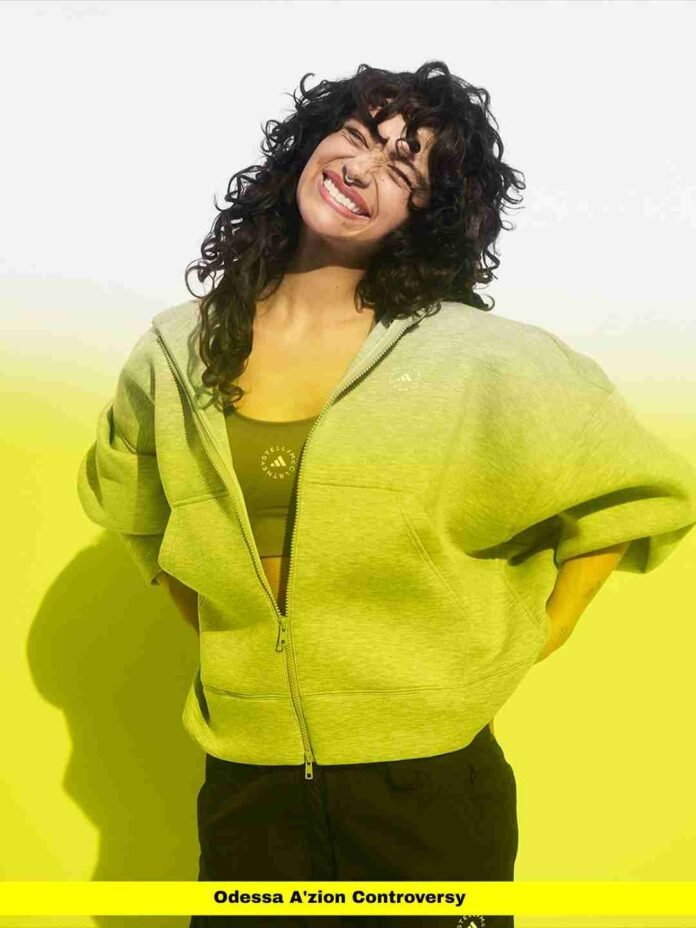

The odessa a’zion controversy has rapidly become one of the most talked-about entertainment discussions in the United States, drawing attention from film fans, social media communities, and industry observers alike. The situation unfolded after the young actress stepped away from a prominent film role following public criticism about casting choices and character representation. What began as a standard casting announcement soon evolved into a wider conversation about identity, accountability, and how modern audiences influence Hollywood decisions.
This unfolding event not only highlighted the dynamics between actors and fans but also emphasized how quickly public response can shape the direction of film projects today. As discussions intensified, the actress’s decision to exit the project shifted the focus from speculation to confirmed developments, creating a moment that reflects broader cultural changes within the entertainment industry.
How the Casting Decision Triggered Public Debate
The controversy began when a film adaptation of a well-known novel revealed its supporting cast lineup, including Odessa A’zion in a key character role. Shortly after the announcement, readers of the original book pointed out that the fictional character had a clearly described cultural background that did not fully align with the actress’s heritage. Online conversations expanded quickly as fans discussed whether casting should strictly match a character’s written identity or allow broader interpretation.
The intensity of the response grew because the character’s identity was not a minor detail in the novel but an aspect that shaped how readers connected with the story. Social media platforms filled with posts from viewers expressing disappointment and urging producers to reconsider the decision. The debate extended beyond a single film and became part of an ongoing national conversation about representation in entertainment.
The Actress’s Response and Decision to Exit
As public discussion reached its peak, Odessa A’zion addressed the situation directly through her personal social media accounts. She confirmed that she would no longer participate in the film and explained that she had accepted the role without fully reviewing the character’s background in the source material. Her message acknowledged the concerns raised by fans and expressed regret for not researching the role more thoroughly before agreeing to join the project.
This response shifted the narrative from criticism toward accountability. Many followers viewed her decision as a sign of respect for audience concerns, while others continued to debate whether actors or production teams should hold primary responsibility for accurate casting. Regardless of differing opinions, her withdrawal from the film became the defining moment of the situation and marked a clear turning point in the controversy.
Why Character Identity Became Central to the Discussion
The character involved in the casting debate holds an important position in the story’s structure and is portrayed as having a mixed cultural heritage that influences her experiences and relationships. For many readers, that identity represents visibility and recognition within popular media. When casting choices appear to overlook those elements, audiences often feel that a meaningful layer of storytelling risks being lost.
This perspective reflects a broader trend in entertainment where viewers expect greater authenticity and inclusivity. Adaptations of novels, especially those with loyal fan bases, tend to face higher scrutiny because readers form strong attachments to the way characters are described on the page. The controversy illustrates how audience expectations now extend beyond plot accuracy to include cultural representation and identity alignment.
Industry-Wide Conversations About Representation
The odessa a’zion controversy did not exist in isolation. Instead, it connected to wider industry conversations about diversity, authenticity, and the responsibilities of filmmakers when adapting literary works. In recent years, casting decisions have increasingly drawn public analysis, with viewers using digital platforms to voice support or criticism almost instantly.
Entertainment companies have responded to this cultural shift by paying closer attention to representation during pre-production stages. Casting directors now face the challenge of balancing artistic interpretation with audience expectations while ensuring inclusivity remains a genuine priority rather than a marketing strategy. This incident added another example to a growing list of moments that influence how studios approach character identity in future projects.
Public Reaction and Social Media Influence
Public reaction to the actress’s exit ranged from praise to continued debate. Supporters applauded her transparency and willingness to listen to feedback, seeing her decision as a responsible step that acknowledged audience concerns. Others questioned whether the intensity of online backlash places excessive pressure on performers and creative teams, potentially limiting artistic freedom.
What became evident throughout the conversation was the strong influence of social media in shaping entertainment narratives. Platforms that once served mainly for promotion now act as real-time forums where casting decisions, plot details, and production updates are instantly analyzed. The speed at which opinions spread demonstrates how public engagement can significantly alter the direction of a film before cameras even begin rolling.
Impact on the Film’s Production Path
Following the actress’s departure, the production team moved forward with plans to recast the character. Although official replacement details had not yet been announced at the time of the discussion, the decision signaled that producers recognized the importance of addressing audience concerns. Recasting a role before filming begins allows studios to realign creative direction while preserving audience trust.
For fans of the novel, the announcement of a future casting update became a focal point of anticipation. Many expressed hope that the new performer would more closely match the character’s cultural identity as described in the original work. This phase of the process highlights how early-stage casting adjustments can reshape public perception and maintain interest in an adaptation.
Career Implications for Odessa A’zion
While controversies can present challenges, they can also become defining moments in an actor’s professional journey. Odessa A’zion has built recognition through multiple television and film roles, and her decision to step away from the project drew attention to her willingness to address criticism directly. Industry observers noted that accountability and transparency often influence how performers are perceived in the long term.
Her career trajectory continues to evolve, with audiences now more aware of her name and the circumstances surrounding the controversy. Whether viewed as a learning experience or a turning point, the incident places her within a broader narrative about how young actors navigate complex cultural conversations in a rapidly changing entertainment landscape.
The Role of Audience Expectations in Modern Media
Audience expectations now play a larger role in shaping creative decisions than ever before. Readers and viewers increasingly seek authenticity not only in storytelling but also in the people chosen to portray fictional characters. This shift reflects a cultural environment where representation carries emotional and social significance, particularly for communities that historically saw limited visibility on screen.
Producers and casting teams must balance these expectations with the realities of film production, including schedules, availability, and artistic interpretation. The controversy demonstrates how deviations from character descriptions can quickly become central talking points, reinforcing the need for careful planning and open communication with audiences.
A Broader Cultural Reflection
Beyond the immediate film project, the odessa a’zion controversy illustrates how entertainment often mirrors social conversations happening across the country. Discussions about representation, inclusion, and accountability extend into many industries, but film and television provide highly visible platforms where these issues gain widespread attention. Each casting debate contributes to a larger cultural dialogue about who gets to tell certain stories and how those stories are presented.
This cultural reflection influences future creative decisions and shapes the evolving standards of the entertainment world. It also highlights the growing awareness among audiences that their voices can drive meaningful change when expressed collectively.
Looking Ahead for the Film and Industry
As production continues with new casting plans, the focus gradually shifts from controversy to anticipation. Fans remain interested in how the character will be portrayed moving forward and whether the adaptation will honor the original narrative while resonating with modern viewers. For the industry, the situation serves as a reminder that transparency and cultural awareness are increasingly essential elements of successful filmmaking.
The lessons drawn from this event may influence not only this project but also future adaptations where character identity plays a prominent role. Studios, actors, and audiences alike continue to learn from each instance where representation becomes a central topic of discussion.
What This Moment Reveals About Entertainment Today
This episode demonstrates how interconnected the entertainment industry and its audiences have become. Casting announcements now trigger immediate responses, and performers often engage directly with viewers through digital platforms. The ability of a single decision to spark national debate underscores the evolving relationship between creators and consumers.
The odessa a’zion controversy ultimately stands as a snapshot of modern media culture — one where transparency, accountability, and audience engagement shape outcomes as much as traditional studio decisions. It reveals how storytelling extends beyond scripts and screens into the social conversations that surround every major production.
What are your thoughts on how casting choices influence representation and storytelling in today’s entertainment world? Share your perspective and stay connected as this conversation continues.