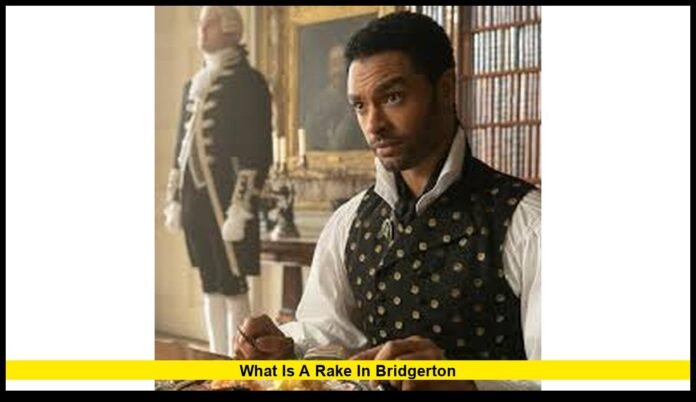

In the world of Regency romance, few labels carry as much intrigue as the phrase what is a rake in Bridgerton, a term that instantly signals charm, danger, and irresistible allure. Viewers hear it whispered in ballrooms, used in warnings by protective mothers, and attached to the most magnetic men of the ton. But behind the dramatic flair lies a historically grounded meaning that shapes both character arcs and social rules throughout the series.
Understanding what a rake truly represents unlocks a deeper layer of the story, revealing how reputation, privilege, and romance collide in high society.
What Does “Rake” Mean in the Bridgerton Era?
In Regency England, a “rake” referred to a man, usually of noble birth, who openly pursued pleasure and romance without regard for social restraint. The word evolved from “rakehell,” an older expression describing someone who lived fast, broke rules, and followed desire rather than duty.
In Bridgerton, a rake is not simply a flirt. He is a man with a well-known history of romantic conquests, late-night escapades, and a resistance to settling into marriage. Society views him as exciting but dangerous, desirable yet unreliable. His name sparks gossip, and his presence at any gathering draws attention.
A rake’s reputation spreads quickly in the ton. Ladies may be warned away from him, yet many find themselves irresistibly drawn to his confidence and mystery.
Why Reputation Matters So Much in Regency Society
During the period in which Bridgerton is set, reputation was a form of social currency. A single scandal could ruin a woman’s chances of marriage, while a man, especially one with a title and wealth, could survive far more freely.
This imbalance allowed rakes to exist.
A rakish man could gamble, drink, engage in affairs, and still remain welcome in drawing rooms and ballrooms. His status shielded him. Society might disapprove in whispers, but it also indulged him, often romanticizing his freedom.
For women, however, even a hint of impropriety could mean social exile. This contrast is why the term “rake” carries both admiration and warning within Bridgerton’s world.
The Rake as a Social Archetype
The rake is more than a personality type; he is a stock character deeply rooted in English literature and theater. For centuries, stories have featured wealthy men who reject responsibility, embrace pleasure, and charm everyone in their path.
Common traits of a rake include:
- Charisma and effortless confidence
- A history of numerous romantic relationships
- A reluctance to commit to marriage
- A sharp wit and commanding presence
- A reputation that precedes him in every room
In Bridgerton, these traits are not accidental. They are carefully crafted to reflect how such men would have been perceived during the Regency era.
Rake vs. Gentleman: A Delicate Balance
Not every charming man in Bridgerton is a rake. What separates a rake from a respectable gentleman is not wealth or manners, but conduct and intention.
A gentleman is expected to court with honor, seek marriage, and protect a woman’s reputation. A rake, by contrast, pursues pleasure first. He may follow the rules of society in public, but in private he lives by his own code.
Yet many rakes are still polite, educated, and refined. This duality makes them fascinating. They move easily between elegance and scandal, embodying both the highest and most dangerous aspects of aristocratic life.
How the Rake Shapes Romantic Storylines
One reason the rake archetype endures in romance is its emotional power. The idea that a man known for avoiding commitment could be transformed by genuine love creates instant drama.
In Bridgerton, this transformation is central to several major storylines. A rake is not just a background label; it is the starting point of a journey. The tension lies in whether he will continue his reckless freedom or choose devotion and responsibility.
This narrative arc allows for:
- Emotional vulnerability beneath confident exteriors
- Conflicts between duty and desire
- The gradual softening of hardened reputations
- High-stakes romance shaped by public perception
The rake becomes the perfect romantic lead because he carries both risk and promise.
The Power of the Rake’s Charm
Rakes are rarely subtle. Their confidence is open, their gaze direct, and their words carefully chosen to disarm. In a society governed by strict etiquette, this boldness feels intoxicating.
Their charm does not only affect women. Other men often view them with a mix of envy and rivalry. A rake commands attention without seeking approval, a trait that signals both dominance and independence.
This magnetism explains why the term “rake” is often spoken with equal parts criticism and fascination.
Social Consequences of Being a Rake
While rakes enjoy freedoms, their reputation is not without cost. Families may hesitate to trust them as potential husbands. Mothers worry about their daughters’ safety and future. Gossip follows them relentlessly.
In Bridgerton, a rake’s actions can threaten not only his own standing but also the honor of any woman associated with him. One misstep, one rumor, can spark scandal that ripples through the entire social season.
Thus, the rake walks a fine line between admiration and disgrace.
How the Ton Uses the Label
Within high society, calling a man a rake is both a description and a judgment. It signals that he is experienced, worldly, and dangerous to innocence. It also implies that he may not be taken seriously as a long-term partner.
Yet the same label can increase his desirability. The forbidden often becomes the most tempting. This contradiction fuels much of the romantic tension in Bridgerton.
Modern Understanding of the Rake
Today, the word “rake” is rarely used in everyday conversation, but its meaning survives through characters like those in Bridgerton. Modern audiences may equate it with the idea of a “playboy” or “bad boy,” though the historical context adds layers of class, power, and social consequence.
The Bridgerton series revives the term not as a relic, but as a living concept that still resonates. It represents freedom, charm, and emotional risk, wrapped in silk cravats and candlelit ballrooms.
Why the Rake Remains So Compelling
The enduring appeal of the rake lies in contradiction. He is both reckless and refined, feared and adored, condemned and celebrated. He stands at the intersection of desire and discipline, making every choice feel charged with consequence.
For storytelling, this makes him irresistible. He brings conflict, growth, and emotional depth. His journey from indulgence to devotion mirrors the broader themes of Bridgerton: love challenging tradition, and personal transformation unfolding under the watchful eyes of society.
What Is a Rake in Bridgerton, Ultimately?
A rake in Bridgerton is a man whose reputation for romance and rebellion defines how society sees him and how his story unfolds. He embodies privilege, temptation, and the possibility of change. His presence raises the stakes of every relationship and adds tension to every glance across the ballroom.
Understanding this term reveals why it carries so much weight in dialogue and plot. It is not a casual insult or playful nickname. It is a social identity, shaped by history, class, and the unspoken rules of the ton.
The allure of the rake continues to captivate viewers, proving that even centuries later, charm and scandal still make hearts race — share your thoughts and stay tuned for more insights into Bridgerton’s world.