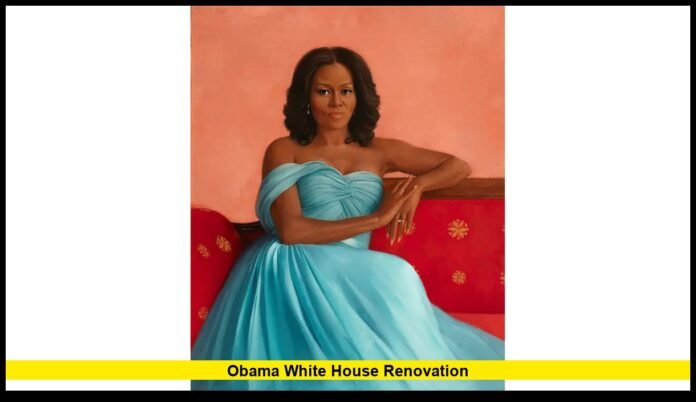

The Obama White House renovation remains one of the most discussed topics among those interested in the evolution of America’s most iconic residence. During Barack Obama’s presidency, the White House saw carefully planned updates that respected its historical legacy while introducing a fresh, modern touch. These renovations, primarily led by First Lady Michelle Obama, focused on enhancing the interior aesthetics, functionality, and cultural representation of the People’s House.
Major Obama Era Updates at the White House
Throughout President Barack Obama’s two terms (2009–2017), several renovations and design improvements took place. Although there was no complete reconstruction of the building, the changes made during this period reflected a strong commitment to historical preservation and subtle modernization.
- State Dining Room Renovation (2012–2015):
One of the most significant projects under the Obama administration was the extensive refurbishment of the State Dining Room. The redesign included a new custom wool rug patterned after the ceiling’s intricate plaster design, elegant peacock-blue and ecru striped silk window drapes, and 34 handcrafted mahogany chairs inspired by early 19th-century styles. The result was a room that blended traditional design with modern craftsmanship, achieving a refined balance of history and elegance. - Old Family Dining Room Redecoration (2014–2015):
Michelle Obama also led the transformation of the Old Family Dining Room, located just off the State Dining Room. The redesign embraced a clean, contemporary look, featuring a light gray color scheme, red draperies, and modern American art. This space—previously used for private family meals—was opened for public viewing, showcasing the Obama family’s appreciation for both tradition and contemporary art. - White House Kitchen Garden:
Early in the Obama administration, Michelle Obama introduced a new feature on the South Lawn: the White House Kitchen Garden. It became a symbol of healthy living, sustainability, and education, supplying the White House kitchen with fresh produce and inspiring a national conversation about nutrition and food awareness.
Each of these projects represented a thoughtful approach to modernization—refreshing the residence while preserving its historical significance.
How the Obama White House Renovation Differs from Current Projects
When comparing the Obama White House renovation to more recent changes at the executive mansion, several distinctions stand out:
- Scope of Work:
The Obama-era renovations were primarily focused on interior decor, furnishings, and accessibility improvements. Unlike later large-scale structural updates, the Obama team emphasized subtlety, elegance, and cultural inclusivity. - Funding Approach:
The projects during this time were funded through the White House Endowment Trust—a privately supported foundation—ensuring that no taxpayer dollars were used for decorative changes. This approach minimized public criticism and set a standard for transparency and responsibility. - Design Philosophy:
Michelle Obama’s vision emphasized respect for history with modern relevance. By incorporating American-made materials and artwork from diverse artists, the renovation celebrated inclusivity and the evolving American story without altering the mansion’s foundational design.
Why the Obama White House Renovation Still Matters
The Obama White House renovation remains relevant today for several reasons. It serves as an example of how leadership, design, and symbolism can converge in America’s most historic home.
- Preserving Legacy Through Design:
The updates from the Obama years did not erase the past—they enhanced it. Each design decision reflected a deep respect for the mansion’s centuries-old history while introducing new energy and identity. - Symbolism of Modern America:
The Obama administration used design as a form of storytelling. The inclusion of modern American art and diverse artistic voices sent a clear message about representation and progress. - Model for Responsible Renovation:
The renovation demonstrated that significant improvements could be achieved without dramatic reconstruction or excessive spending. The balance of modernization and preservation made it a model for future administrations.
Timeline of Key Obama-Era Renovations
| Year | Project | Description |
|---|---|---|
| 2009 | Kitchen Garden | Created the first major vegetable garden on the South Lawn since the Roosevelt era, promoting healthy eating. |
| 2012–2015 | State Dining Room Renovation | Comprehensive update including new furnishings, drapes, and design details reflecting early American elegance. |
| 2014–2015 | Old Family Dining Room Redecoration | Refreshed in a modern American style, featuring works by contemporary U.S. artists. |
These projects collectively highlighted the administration’s commitment to culture, sustainability, and inclusivity while maintaining the White House’s dignity as both a home and a national symbol.
Public and Historical Impact
The Obama White House renovation received praise for its understated yet powerful approach. Unlike dramatic overhauls seen in earlier decades, the work done between 2009 and 2017 reflected restraint, class, and a sense of continuity. Historians and curators often note that Michelle Obama’s efforts helped ensure that the White House remained not just a symbol of power, but also of progress and accessibility.
The updates also had cultural implications—particularly the decision to feature modern works by African American and female artists in key rooms, ensuring the residence represented the diversity of the nation it served.
How Many Executive Orders Did Obama Sign?
Barack Obama, who served as the 44th President of the United States from 2009 to 2017, signed approximately 276 executive orders during his two terms in office. T
A Legacy That Continues
Even today, the Obama-era renovations influence how future administrations approach design and restoration within the White House. The philosophy behind those changes—balancing preservation with progress—has become a blueprint for how to manage America’s most important residence responsibly.
As new renovations and expansions occur in the years ahead, the Obama White House era serves as a reminder that change can be both meaningful and mindful. The spaces they reimagined remain functional, welcoming, and historically grounded, representing the spirit of a modern America rooted in tradition.
As of 2025, Barack Obama’s net worth is estimated to be around $70 million.
His wealth comes from book deals, speaking engagements, and post-presidency ventures.
The Obama White House renovation stands as a graceful chapter in the history of the People’s House—proof that careful design can preserve the past while embracing the future. If you found this story insightful, feel free to share your thoughts or experiences about the White House’s evolving legacy.