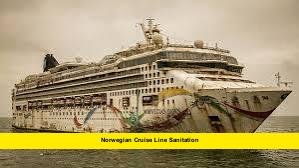

The Norwegian Cruise Line sanitation failure involving the Norwegian Dawn has become one of the most talked-about stories in the cruise industry this year, after the ship failed a routine health inspection conducted by the U.S. Centers for Disease Control and Prevention. The unannounced inspection, part of the CDC’s Vessel Sanitation Program, exposed a series of hygiene and food-safety lapses that pushed the vessel below the passing threshold, prompting swift corrective action from Norwegian Cruise Line and renewed public attention on shipboard cleanliness standards.
Background on the Inspection
The inspection took place on March 29, 2026, while Norwegian Dawn was docked in Tampa, Florida. Results were posted to the CDC’s website several weeks later, since the agency typically takes four to eight weeks to finalize and publish findings after an inspection is completed. The ship received a score of 84 out of 100, falling below the CDC’s minimum passing mark of 86. Under the Vessel Sanitation Program, any score of 85 or lower is classified as unsatisfactory, meaning Norwegian Dawn officially failed.
This marked the first time in the vessel’s 23-year history that it failed a CDC sanitation inspection. Notably, Norwegian Dawn had previously earned a perfect score of 100 on eight separate occasions, making the sudden drop in performance especially surprising to industry observers and frequent cruisers who track these ratings closely.
What Inspectors Found
CDC inspectors documented 49 separate deficiencies during their walkthrough of the ship. The issues spanned several critical areas, including food storage, water safety systems, and general cleanliness in food preparation zones. Some of the most notable findings included:
- Refrigeration units operating at unsafe temperatures, risking improper food cooling
- Mold-like buildup found on refrigerator gaskets and pooling inside a soda cabinet
- Rusted utensils stored in food preparation cabinets
- Condensation dripping from ceilings in areas where food was being handled
- Fruit flies observed in a crew dining area, including one resting on bread being served to staff
- Backflow prevention devices on the water system found with blocked or improperly sealed vents
Inspectors also noted liquid of unknown origin dripping near a utility sink, a detail that raised additional concerns about overall maintenance standards aboard the vessel. Once the fly on the bread was pointed out during the inspection, staff removed the item immediately, and two machines linked to food safety concerns were taken out of service on the spot for cleaning and sanitizing.
Norwegian Cruise Line’s Response
Norwegian Cruise Line moved quickly to address the sanitation failure once the inspection concluded. Within five days, the company submitted a detailed report to the CDC outlining the steps taken to correct the deficiencies. That initial response was later followed by a more comprehensive 34-page corrective action statement addressing all 49 items identified by inspectors.
The company’s response reflects standard industry protocol, since cruise lines are required to demonstrate that failing conditions have been resolved before a ship can be cleared for normal operations without further scrutiny. While the CDC has not publicly confirmed a reinspection date for Norwegian Dawn, the extensive documentation submitted by Norwegian suggests the company treated the failure as a serious operational priority rather than a routine paperwork issue.
There is no official confirmation yet on whether Norwegian Dawn has undergone a follow-up inspection or what score it may have received if one has occurred. Reports covering the situation note that this detail remains unconfirmed and that updates may follow as new inspection data is posted.
How Norwegian Dawn Compares to Other Ships in 2026
Data reviewed from the CDC’s Vessel Sanitation Program shows that Norwegian Dawn was the only vessel among 79 inspections conducted so far in 2026 to receive an outright failing score. By contrast, 21 ships earned a perfect 100 during the same period, underscoring that the Norwegian Dawn incident was an outlier rather than part of a broader industry-wide sanitation problem.
Other ships that landed near the bottom of this year’s rankings, though still technically passing, included:
- Carnival Breeze, Kydon, and National Geographic Sea Lion, each scoring 86
- Sun Princess, MSC Meraviglia, and Amadea, each scoring 89
Interestingly, Carnival Breeze had earned a perfect 100 in January before later scoring an 86 on a subsequent visit, a reminder that sanitation scores reflect conditions at the moment of inspection rather than a permanent grade for the ship or cruise line. Vessels are generally inspected twice a year, and conditions can shift considerably between visits depending on maintenance practices, crew turnover, and operational demands.
Public Interest and Industry Reaction
The Norwegian Cruise Line sanitation failure has drawn considerable public interest, particularly among travelers who research inspection scores before booking a cruise. Since the CDC’s Green Sheet database is publicly accessible, many prospective passengers now check a ship’s most recent sanitation rating as part of their pre-booking research, a habit reinforced by stories like this one.
Public health experts have emphasized that a single low score does not necessarily mean passengers face immediate danger or that an illness outbreak is occurring. Gavin Macgregor-Skinner, an infection prevention expert affiliated with Penn State College of Medicine, has noted that the Vessel Sanitation Program plays a critical role in protecting the health of passengers, crew, and the port communities that cruise ships visit. He has also pointed out that inspectors examine an extensive range of shipboard systems, from medical facilities and water systems to galleys, cabins, and ventilation, during each visit.
Health officials continue to stress basic hygiene practices for cruise passengers regardless of a ship’s inspection history. Handwashing with soap and water remains the most effective way to reduce the risk of illness onboard, since alcohol-based hand sanitizers are less effective against norovirus, one of the most common causes of gastrointestinal illness on cruise ships. Passengers experiencing symptoms such as vomiting or diarrhea are strongly encouraged to report to the ship’s medical center promptly rather than concealing symptoms, both to receive proper care and to support the ship’s broader outbreak prevention efforts.
Latest Updates
As of the most recent reporting, Norwegian Cruise Line has not issued any additional public statements beyond its corrective action filings with the CDC. The CDC has not posted a follow-up inspection score for Norwegian Dawn, and there is no official confirmation of when a reinspection might occur. Industry outlets tracking the Vessel Sanitation Program say they will continue monitoring the CDC’s database for updates, since new postings could shift Norwegian Dawn’s standing relative to other vessels inspected this year.
It’s also worth noting that reports of the CDC halting or reducing cruise ship inspections have circulated online, but these claims are inaccurate. The agency has confirmed that it continues to carry out unannounced health inspections on cruise ships operating out of U.S. ports as part of its standard oversight process.
Final Thoughts
The Norwegian Cruise Line sanitation failure aboard Norwegian Dawn serves as a notable case study in how the CDC’s Vessel Sanitation Program functions to hold cruise operators accountable for hygiene and food safety standards. While the failing score marked an unusual moment for a ship with a strong prior inspection history, Norwegian Cruise Line’s rapid and thorough corrective response demonstrates the kind of accountability the program is designed to encourage. For travelers, the episode is a useful reminder to review a ship’s current sanitation score before departure and to practice good personal hygiene once onboard, since these ratings can change significantly between inspections and are best viewed as a snapshot rather than a permanent judgment of a vessel or cruise line.
Have thoughts on this story or want to stay informed about future cruise health and safety updates? Share your comments below and check back for the latest developments.