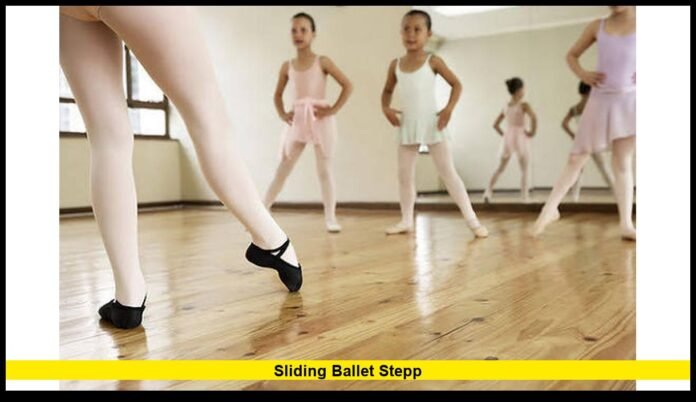

The sliding ballet step clue has crossword solvers looking for a six-letter answer in the latest Daily Commuter Crossword, and the solution is CHASSE. The French-derived ballet term describes a traveling movement in which one foot follows or appears to chase the other, creating the smooth, flowing effect associated with classical dance. The clue appears in the August 25, 2026 puzzle, making CHASSE one of the answers currently drawing attention from crossword players searching for help.
Key Points Summary
╔════════════════════════════════════════════════════════════════════╗
║ – CHASSE is the six-letter answer to the August 25, 2026 Daily Commuter Crossword clue. ║
║ – Chassé is a French ballet term associated with a traveling or gliding movement. ║
║ – The word comes from the French idea of “chasing,” referring to one foot following the other. ║
║ – Ballet terminology can vary between teaching methods, so chassé may describe slightly different forms of movement. ║
║ – Glissade is another ballet movement associated with sliding or gliding, but its eight-letter spelling does not fit today’s six-letter crossword entry. ║
╚════════════════════════════════════════════════════════════════════╝
What Is the Answer to Today’s Ballet Crossword Clue?
For crossword players working through the August 25, 2026 Daily Commuter puzzle, the answer is:
CHASSE
It has exactly six letters, matching the number of spaces provided for the entry.
The term is more commonly written chassé in French, but crossword grids generally remove accents and punctuation. As a result, CHASSE is the standard form a solver should enter.
The clue is a good example of how crossword puzzles often use a short definition to describe a specialized term. A solver does not necessarily need extensive ballet knowledge to reach the answer. The six-letter length, crossing letters and wording of the clue can all point toward the solution.
What Does Chassé Mean?
Chassé is a traveling movement used in several dance styles, particularly ballet. The French word is connected with the idea of chasing, which provides a useful description of the movement: one foot follows the other as the dancer moves through space.
The visual result can be a smooth, continuous progression across the floor.
Depending on the ballet technique or school being followed, the exact execution of chassé can differ. In some approaches, the movement is taught primarily as a gliding action along the floor. Other methods use a low jump or springing action as part of the movement.
That difference is important because ballet vocabulary can sometimes appear more straightforward in a crossword than it is inside an actual dance studio.
For a crossword solver, however, the important point is that CHASSE fits the current six-letter clue.
Why Is Chassé Associated With Sliding?
The association comes from the way the dancer travels.
Instead of remaining stationary, the dancer moves from one position toward another while maintaining coordinated leg and body movement. The feet work in sequence, producing an impression that one foot is pursuing the other.
The movement can be performed in different directions depending on the choreography. A dancer may travel sideways, forward, backward or diagonally, depending on the specific version and the surrounding combination.
The smoothness of the action is one of the reasons chassé is so recognizable as a connecting movement.
In performance, the step may only occupy a short portion of a musical phrase, but it can help create continuity between larger movements.
Chassé Is More Than a Crossword Answer
Although the current clue is useful for crossword enthusiasts, chassé is also an important part of dance vocabulary.
Ballet choreography frequently requires dancers to move between positions without making every transition appear like a separate event. Connecting movements such as chassé help create that sense of continuity.
A dancer can use the movement to:
- Travel across the stage
- Connect two larger movements
- Change position within a formation
- Maintain musical rhythm
- Build momentum for another movement
- Create a flowing visual effect
This makes chassé useful to choreographers as well as performers.
The step can be particularly effective when performed as part of a longer sequence, where its purpose is not simply to move the dancer from one point to another but to preserve the rhythm and visual line of the choreography.
Chassé and Glissade Are Not the Same
One reason this crossword clue can be challenging is that glissade is also associated with a sliding movement in ballet.
Glissade is a recognized ballet term describing a traveling or gliding step. The word itself is closely connected with the French concept of sliding.
That makes GLISSADE a tempting answer when a solver sees a clue describing a sliding ballet movement.
However, there is a major difference for crossword purposes.
CHASSE = 6 letters
GLISSADE = 8 letters
Because today’s clue requires six letters, CHASSE is the correct fit.
This is a useful reminder that crossword definitions should never be considered in isolation. The number of letters is often just as important as the meaning.
Why the French Spelling Can Cause Confusion
Ballet has retained a large amount of French terminology, which means crossword clues can introduce words that are unfamiliar to people who have never studied dance.
The accented spelling chassé is the standard French form. The accent is generally omitted in English-language crossword grids because crossword entries typically use basic letters.
That means a solver may recognize the word from ballet but hesitate when seeing CHASSE without the accent.
There is no need for that hesitation. CHASSE is the correct crossword-grid spelling.
The pronunciation is commonly rendered approximately as “sha-SAY,” another clue that the word is French in origin.
How Chassé Works in Ballet
The exact mechanics depend on the method being taught, but the movement generally involves controlled coordination between the legs while the dancer travels.
A dancer must pay attention to several technical elements:
1. Foot Position
Classical ballet relies heavily on precise foot positions. Chassé is performed within that broader framework, so the feet must remain properly coordinated rather than simply sliding randomly across the floor.
2. Weight Transfer
The dancer needs to transfer body weight smoothly as the movement progresses. Poor weight placement can make the step look heavy or disconnected.
3. Plié
Depending on the version of chassé, bending the knees through plié plays an important role in preparing and supporting the movement.
4. Direction
Chassé can be incorporated into choreography that travels in multiple directions. The dancer must understand where the body is going while maintaining alignment.
5. Musical Timing
Ballet is closely connected to music. A technically correct movement can still look awkward if it does not match the intended rhythm.
These elements explain why a movement that sounds as simple as a “sliding step” can require considerable training.
Different Ballet Methods Can Teach Chassé Differently
Ballet is not governed by one single worldwide teaching system.
Different traditions and methodologies have developed their own approaches to technique, terminology and execution. As a result, students may encounter variations in how chassé is performed.
Some versions emphasize a sliding action through the floor. Others incorporate a springing or low jumping quality.
This does not necessarily mean that one version is automatically wrong. The terminology and execution can depend on the method, instructor and choreography.
For crossword purposes, those technical differences do not change the answer to today’s clue.
The Meaning Behind the Word
The French word behind chassé is particularly helpful for remembering the movement.
The basic idea is “chased.”
Imagine one foot moving away while the other follows it. That image gives the word a memorable connection to the physical action.
For crossword enthusiasts, remembering that connection can make CHASSE easier to recall in future puzzles.
It also explains why the word appears in descriptions of traveling dance movements.
Why Crossword Solvers May Know the Word
Crossword puzzles frequently draw vocabulary from specialized areas.
Ballet is especially useful to puzzle constructors because its terminology contains many short French-derived words. Terms such as plié, jeté, relevé, passé and chassé can appear as clues or answers.
This means that even someone who has never taken a ballet class may eventually become familiar with ballet vocabulary simply through solving crosswords.
CHASSE is particularly crossword-friendly because it has six letters and a distinctive letter pattern.
Once a solver has a few crossing letters, the answer can become much easier to recognize.
For example, a pattern such as:
C H _ S S E
strongly suggests CHASSE.
Why Six Letters Matter
Crossword solving is often about narrowing possibilities.
The clue “sliding ballet step” by itself could lead someone to several dance-related terms. Once the puzzle tells the solver that the answer contains six letters, many alternatives disappear.
That is why the length of an entry is one of the most valuable pieces of information in any crossword.
For today’s clue, the six-letter requirement rules out GLISSADE immediately.
The crossing answers then provide additional confirmation.
This combination of definition, length and intersecting letters is the standard process experienced crossword solvers use to turn a vague clue into a confident answer.
Other Ballet Terms Worth Knowing
Anyone interested in crossword puzzles can benefit from learning a handful of basic ballet terms.
Plié refers to a bending of the knees and is one of the foundational movements in ballet technique.
Jeté generally refers to a jumping or leaping action.
Relevé describes rising onto the balls of the feet or pointe.
Passé is associated with passing one foot near or alongside the supporting leg.
Glissade describes a sliding or gliding movement and can serve as a connecting step.
Chassé describes the chasing or traveling action that gives today’s crossword answer its distinctive name.
Knowing these words can make future dance-related crossword clues considerably easier.
How to Remember CHASSE for Future Puzzles
A simple memory trick is to associate the spelling with the movement.
Think:
CHASSE = one foot chasing the other.
Then remember that the crossword version contains six letters:
C-H-A-S-S-E
The double “S” in the middle is another useful spelling marker.
If a future crossword asks for a six-letter ballet movement involving a chasing or sliding action, CHASSE should immediately come to mind.
Why the Clue Is Trending Among Crossword Solvers
Daily crossword puzzles generate searches from people who want to confirm a difficult answer, especially when the clue involves an unfamiliar subject.
The current clue is particularly approachable once its definition is understood. The challenge is not necessarily the complexity of the answer, but recognizing that a ballet term is being requested.
For casual solvers, CHASSE may be unfamiliar. For ballet students, dancers and experienced crossword players, it is a familiar piece of vocabulary.
That combination makes the clue a good example of how crossword puzzles bring together general knowledge and specialized terminology.
Frequently Asked Questions
What is the six-letter answer for the sliding ballet clue?
The answer is CHASSE.
What does chassé mean in dance?
Chassé is a traveling dance movement in which one foot follows or appears to chase the other.
Is CHASSE spelled with an accent?
The French spelling is chassé, but crossword grids generally use CHASSE without the accent.
Is glissade another sliding ballet step?
Yes. Glissade is another ballet movement associated with sliding or gliding, but GLISSADE has eight letters.
Why is CHASSE the correct crossword answer?
It matches both the clue’s definition and the six-letter requirement of the current puzzle.
How is chassé pronounced?
It is commonly pronounced approximately “sha-SAY.”
Can chassé be performed in different ways?
Yes. Execution can vary depending on ballet methodology, training system and choreography.
Final Answer
For anyone working through the August 25, 2026 Daily Commuter Crossword, the answer to the clue is straightforward once the ballet terminology is recognized:
CHASSE
The word describes a traveling dance movement built around the idea of one foot chasing the other. While GLISSADE may seem like a natural alternative because it is also connected with sliding or gliding in ballet, its eight-letter spelling means it cannot fit the six-letter entry in this puzzle.
For crossword enthusiasts, CHASSE is therefore the key answer to remember, while the underlying ballet terminology provides an interesting explanation for why the clue works.
Did CHASSE come to you immediately, or did this ballet clue slow down your crossword solve? Share your answer and keep checking back for more daily crossword solutions and explanations.