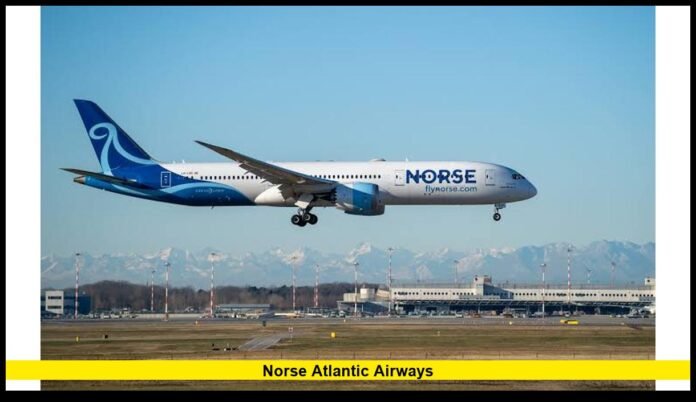

Norse Atlantic Airways has stopped operating flights following a severe financial crisis that ultimately led to the bankruptcy filing of its Norwegian operating subsidiary. The shutdown has disrupted travel plans for passengers booked on the airline’s international routes, particularly those traveling between Europe and the United States. Customers are now facing canceled reservations, uncertainty about refunds, and the need to find replacement flights with other carriers.
The airline had built its business around offering lower-cost long-haul travel, attracting passengers who wanted affordable transatlantic flights without paying the prices typically associated with traditional international airlines. However, rising operating expenses, fuel costs, financial pressure, and the failure to secure sufficient emergency financing made it increasingly difficult for the company to continue operating.
Norse Atlantic Airways has suspended flights, canceled its remaining scheduled services, and stopped selling tickets. Passengers with existing bookings should not assume their reservations will be honored by another airline or that their original flights will resume. Travelers should instead focus on confirming cancellation information, preserving their travel documents, and pursuing available refund or compensation options through the appropriate channels.
The airline’s shutdown represents a major development in the low-cost transatlantic travel market. It also raises broader questions about the future of the company’s remaining corporate structure, its aircraft, and whether any portion of the business could eventually continue under a different arrangement.
Norse Atlantic Airways Stops Operations Following Financial Crisis
The shutdown of Norse Atlantic Airways followed a rapid deterioration in its financial situation. The airline had been attempting to secure funding and explore possible strategic alternatives to maintain its operations, but the efforts did not produce enough financing to keep the business running.
The Norwegian operating subsidiary eventually determined that it could no longer continue normal operations. The company suspended flights and ticket sales before proceeding with a bankruptcy filing.
The operational shutdown is particularly significant because Norse Atlantic had already been adjusting its route network and business strategy in response to challenging market conditions. The airline had reduced scheduled passenger services while exploring other revenue opportunities, including charter operations and aircraft leasing arrangements.
Those efforts were intended to make the business more flexible and reduce dependence on its own scheduled passenger routes. However, the financial pressure became too severe for the airline to continue operating its remaining services.
Passengers who booked Norse Atlantic flights should treat their itineraries as canceled unless they receive separately confirmed transportation arrangements from another operating airline. A previously issued ticket, booking confirmation, or travel itinerary does not guarantee that the flight will operate following the shutdown.
The airline’s announcement also means that travelers should avoid relying on airport check-in services, normal flight operations, or the possibility of receiving assistance from Norse Atlantic at the airport. Customers who need to travel should arrange alternative transportation independently.
Norse Atlantic Airways Bankruptcy Filing and Corporate Structure
The bankruptcy filing involves Norse Atlantic Airways AS, the Norwegian operating subsidiary responsible for the airline’s operations. The filing does not automatically mean that every company associated with the broader Norse Atlantic organization has entered bankruptcy.
The parent company, Norse Atlantic ASA, and the U.K. subsidiary are separate corporate entities. Their status is different from that of the Norwegian operating company that filed for bankruptcy.
This distinction is important because the future of the broader organization may depend on decisions involving the remaining companies, potential financing arrangements, business assets, aircraft, and strategic discussions.
However, the distinction should not be interpreted as an indication that canceled passenger flights will return soon. The Norwegian operating company has ceased operations, and there has been no confirmed announcement establishing a restart of scheduled flights.
Any future continuation of the business would require additional developments and formal confirmation. Passengers should not make travel plans based on the possibility that Norse Atlantic could return to the market.
The airline’s corporate announcement provides details regarding the bankruptcy filing and operational shutdown through its official Norse Atlantic bankruptcy update.
Why Norse Atlantic Airways Could Not Continue Flying
The airline’s financial collapse was not the result of a single issue. Several challenges combined to make continued operations increasingly difficult.
Norse Atlantic was operating in a highly competitive international aviation market while attempting to maintain relatively affordable ticket prices. Its long-haul business model required significant financial resources for fuel, aircraft leases, maintenance, crew, airport services, and other operating expenses.
When costs increased and financing became difficult to obtain, the airline had limited room to continue operating without additional capital.
Rising Fuel Expenses Created Financial Pressure
Fuel is one of the most significant expenses for airlines, particularly carriers operating long-distance international flights.
Norse Atlantic operated Boeing 787-9 Dreamliner aircraft on long-haul routes. Although the aircraft is designed to provide fuel efficiency compared with older aircraft, long-distance flying still requires substantial fuel consumption.
Fuel prices can change rapidly because of geopolitical developments, market conditions, supply disruptions, and other factors. When fuel expenses increase, airlines must decide whether to absorb the additional costs, adjust fares, reduce operations, or seek new revenue.
For an airline focused on lower-priced tickets, raising fares significantly can make it more difficult to compete with other carriers. At the same time, keeping fares low while operating costs rise can reduce profitability and put additional pressure on cash reserves.
Norse Atlantic faced these challenges while already experiencing financial difficulties. Higher operating expenses made it increasingly difficult to maintain its business without additional funding.
Emergency Financing Efforts Failed
Norse Atlantic had been exploring financing options to address its liquidity needs.
The airline needed additional capital to continue operating, pay expenses, and maintain its business. It also explored potential strategic arrangements that could potentially provide financial support or help preserve parts of the organization.
However, the company was unable to secure enough financing to continue operations.
For airlines, liquidity is especially important because operating costs must be paid continuously. Aircraft leasing, fuel purchases, employee expenses, maintenance, airport charges, and other obligations cannot simply be postponed indefinitely.
When a company cannot secure the money needed to meet these obligations, the situation can deteriorate quickly. Norse Atlantic’s failure to obtain sufficient emergency financing ultimately contributed to the decision to suspend flights and file for bankruptcy.
Aircraft Lease Issues Complicated the Situation
Aircraft leasing was another important part of the airline’s business model.
Norse Atlantic operated Boeing 787-9 Dreamliners through leasing arrangements. As the airline’s financial condition worsened, aircraft lessors issued termination notices relating to aircraft agreements.
These developments created additional uncertainty about the fleet and the company’s ability to continue operating.
An airline that loses access to aircraft or faces termination of aircraft leases may have difficulty maintaining its scheduled network. Even if a company has customers and route opportunities, it cannot operate flights without access to aircraft and the necessary operational resources.
The aircraft-related developments added further pressure to an already difficult financial situation.
The Low-Cost Long-Haul Model Faced Challenges
Norse Atlantic attempted to compete by offering lower-priced international flights.
The strategy attracted travelers who were willing to purchase a basic ticket and pay separately for optional services. However, long-haul airlines face substantial operating expenses even when they use a low-cost business model.
International flights require large aircraft, long operating hours, significant fuel consumption, crew resources, maintenance arrangements, airport services, and financial reserves.
The airline also had to compete against established international carriers that benefit from larger networks, connecting passengers, loyalty programs, partnerships, and stronger financial resources.
These conditions made the business increasingly difficult to sustain as financial pressure grew.
Which Norse Atlantic Airways Routes and Flights Have Been Disrupted?
The shutdown affects the airline’s scheduled international operations across its network. Norse Atlantic had served destinations in North America, Europe, Africa, and Asia, although its network and schedule had changed substantially as the airline responded to financial pressure.
The carrier had previously offered services connecting European cities with the United States and other long-haul destinations. In the months leading up to the shutdown, it had reduced its scheduled network, withdrawn from some routes, and explored alternative ways to use its aircraft.
The final shutdown means that all Norse Atlantic flights have been canceled. Travelers should not rely on old route maps, published timetables, or previous announcements about planned services because the airline’s operational status has changed.
Flights Between the United States and Europe
Norse Atlantic had been an alternative for travelers crossing the Atlantic, particularly passengers seeking lower fares between the United States and Europe.
Its network had included U.S. destinations such as New York, Orlando, Los Angeles, Miami, and Las Vegas at different times during the airline’s operations. However, these cities were not all part of its final active schedule.
Route reductions had taken place before the bankruptcy filing. Therefore, passengers should distinguish between historical Norse Atlantic routes and flights that were actually operating immediately before the shutdown.
Travelers who booked flights to London or other European destinations should check their booking records carefully and confirm the cancellation status.
London and United Kingdom Services
London was an important destination in Norse Atlantic’s network.
The airline operated services from London Gatwick to several international destinations, including U.S. cities and destinations in other regions. It also had route plans and operations involving other British airports.
The shutdown has disrupted these services, leaving passengers who booked through the airline needing to find alternative transportation.
The fact that London Gatwick continues to operate flights for other airlines does not mean Norse Atlantic’s canceled services will be replaced automatically. Travelers should search for new flights directly with other carriers and verify their reservations independently.
European Flights and Other International Destinations
Norse Atlantic’s international network also included destinations in Europe and other parts of the world.
The airline had operated or planned services involving destinations such as Bangkok, Phuket, Cape Town, and other cities. Its route network was adjusted during the year as it responded to financial and operational challenges.
Passengers booked on these international services should follow the same steps as U.S. travelers. They should save their documents, confirm the cancellation, contact the original booking provider, and review payment-dispute or insurance options.
The airline’s complete suspension means that historical route availability is no longer relevant to current travel planning.
What U.S. Travelers Should Do After Norse Atlantic Flight Cancellations
Passengers affected by the shutdown should act quickly, particularly if their original travel dates are approaching.
Because Norse Atlantic has suspended operations and normal customer-service channels are no longer available, travelers may need to rely on outside organizations to help resolve their bookings.
Keep Booking Confirmations and Receipts
Passengers should save all documents related to their Norse Atlantic reservations.
Important records include:
- Original booking confirmation
- Ticket number
- Payment receipt
- Flight itinerary
- Cancellation information
- Baggage payments
- Seat-selection payments
- Travel-agent correspondence
- Insurance policy documents
- Receipts for replacement transportation
Keeping these records together can make it easier to submit a refund request, credit-card dispute, or insurance claim.
Passengers should also keep a record of any additional costs caused by the cancellation. Replacement airfare, hotels, ground transportation, meals, and other expenses may be relevant to a claim, although reimbursement is not guaranteed.
Contact the Travel Agency or Booking Platform
Passengers who purchased Norse Atlantic tickets through an online travel agency or travel agent should contact that company.
The booking provider may have access to reservation details and could be able to explain the available refund procedures. Customers should ask whether the agency has received instructions regarding canceled Norse Atlantic bookings.
Travelers should also confirm who processed their payment. In some cases, the payment may have been made to the travel agency rather than directly to the airline, which could affect the refund process.
Contact the Credit-Card Issuer
Credit-card customers may have an option to dispute a charge for travel that was canceled and not provided.
Passengers should contact their card issuer and explain the circumstances. They should ask what documentation is required and whether the transaction qualifies for a billing dispute.
The process and deadlines can vary depending on the card issuer and the type of transaction.
The Federal Trade Commission provides consumer information about credit-card billing protections and disputes through its official credit-card dispute guidance.
Travelers should not wait unnecessarily before contacting their card issuer. Promptly reporting a canceled service may help ensure that the passenger understands the applicable deadlines.
Review Travel Insurance Policies
Travel insurance may provide another potential avenue for recovering losses.
Passengers should review their policy for coverage related to airline insolvency, financial failure, trip interruption, trip cancellation, additional transportation costs, or other covered travel disruptions.
Not every policy includes airline bankruptcy coverage. Some policies may also contain exclusions, conditions, or deadlines that affect eligibility.
Passengers should contact their insurer directly and ask whether the Norse Atlantic shutdown qualifies for coverage. They should also ask which documents are required before submitting a claim.
Arrange Replacement Flights Carefully
Travelers who still need to reach their destination should begin looking for alternative flights with airlines that continue operating.
Replacement tickets may be more expensive than the original Norse Atlantic booking. Prices can change based on travel dates, available seats, demand, departure airports, and the amount of time remaining before travel.
Passengers should compare the complete cost of a replacement journey, including baggage, seat selection, transportation between airports, and possible overnight accommodation.
Travelers should not assume another airline will provide a free replacement ticket simply because Norse Atlantic has canceled its flight.
Refunds After Norse Atlantic Airways’ Bankruptcy
Refunds are one of the most important issues for passengers following the airline’s shutdown.
Customers paid for transportation that is no longer being provided. However, the bankruptcy of the Norwegian operating company complicates the recovery process because passenger claims may need to be handled through the insolvency proceedings.
Passengers should not assume that a refund will automatically appear on their credit card. The airline’s bankruptcy process, the payment method, the original booking arrangement, and any insurance coverage may all affect the outcome.
Passenger Claims Through the Bankruptcy Process
The bankruptcy trustee appointed through the Norwegian court process will oversee the proceedings involving Norse Atlantic Airways AS.
Passengers may be able to submit claims for amounts owed, but the process could take time. The amount ultimately recovered, if any, will depend on the bankruptcy proceedings and the company’s available assets and liabilities.
Passengers should preserve documentation proving the amount they paid and the services they were supposed to receive.
U.S. Consumer Refund Information
American travelers can review information from the U.S. Department of Transportation regarding canceled airline flights and refund rights.
The DOT’s official airline ticket refund information explains consumer protections and refund requirements in applicable situations.
Passengers should review the information carefully and determine which options apply to their specific booking. The airline’s bankruptcy may create additional complications, so customers should also contact their card issuer, travel agency, and insurer where appropriate.
The Future of Norse Atlantic ASA and Its Remaining Business
The bankruptcy filing does not automatically mean that every entity associated with Norse Atlantic has ceased to exist.
The Norwegian operating subsidiary is the company involved in the bankruptcy filing. The listed parent company Norse Atlantic ASA and the U.K. subsidiary remain separate entities and are not part of that specific filing.
The parent company has indicated that its board, management, and advisers are exploring options that could potentially allow parts of the remaining business to continue.
Those discussions may involve potential investors, financing, restructuring, or other strategic arrangements. However, there is no confirmed announcement establishing that Norse Atlantic’s scheduled passenger flights will resume.
The remaining business may face significant challenges, including the loss of aircraft access, financial obligations, customer confidence, and the need to develop a sustainable operating model.
Aircraft and Business Assets
The airline’s Boeing 787-9 Dreamliner fleet was central to its international operations.
Aircraft leasing arrangements became an important issue during the financial crisis. The company reported that lessors had issued termination notices relating to the aircraft agreements, although the company disputed aspects of those notices.
The status of the aircraft and associated agreements may become part of the wider process involving the remaining business and the bankruptcy proceedings.
If the broader Norse Atlantic organization is able to preserve part of its business, aircraft availability and financing would likely be among the important considerations.
Potential Sale, Restructuring, or Other Arrangements
Before the shutdown, Norse Atlantic had been exploring strategic alternatives, including a potential sale, merger, or other arrangement.
The airline had also attempted to diversify its operations through charter services and aircraft leasing opportunities.
Any future transaction involving the remaining business would need to be formally announced and confirmed. Until that happens, passengers and travel industry observers should avoid assuming that a buyer, investor, or restructuring plan will lead to the immediate restoration of flights.
The situation remains uncertain, and the future of the remaining organization will depend on further developments.
How Norse Atlantic Airways Built Its Low-Cost Long-Haul Business
Norse Atlantic Airways was founded in 2021 and began commercial operations in 2022.
The airline entered the market with a strategy focused on affordable long-distance flights between Europe and North America. Its approach was designed to attract passengers who were willing to purchase a lower-priced base fare and pay separately for certain optional services.
The company attempted to create an alternative to traditional international airlines by focusing on direct long-haul routes and using a fleet of Boeing 787-9 Dreamliners.
Its strategy was particularly aimed at leisure travelers, passengers visiting family, and customers who were willing to be flexible in exchange for lower airfare.
The Boeing 787-9 Dreamliner Fleet
The Boeing 787-9 Dreamliner was a central component of Norse Atlantic’s operating model.
The aircraft offered long-range capability and was designed with fuel-efficiency improvements compared with older aircraft. It allowed the airline to connect European cities with destinations in North America, Asia, and Africa.
Norse Atlantic operated a fleet of 12 Boeing 787-9 aircraft before the shutdown.
The Dreamliner was intended to support the airline’s low-cost long-haul strategy by allowing it to operate direct international routes while maintaining a relatively modern fleet.
However, aircraft efficiency alone could not eliminate the financial risks associated with long-haul operations.
Lower Fares and Optional Services
Norse Atlantic attempted to keep its base fares competitive.
Customers could choose lower-priced tickets and add services depending on their travel needs. This approach was intended to give passengers more control over how much they spent on a journey.
The model could appeal to travelers who did not need every service included in a traditional full-service airline ticket.
However, low fares also created challenges. The airline needed enough passengers to generate revenue while covering the costs of fuel, aircraft, crew, maintenance, airport charges, and other operating expenses.
The financial balance became increasingly difficult as the company’s costs rose and its liquidity weakened.
Why the Low-Cost Transatlantic Airline Model Is Difficult
Norse Atlantic’s collapse highlights the financial challenges facing smaller airlines that operate long-distance routes while trying to maintain low ticket prices.
Long-haul flights require substantial operating resources. Airlines must pay for fuel, aircraft leasing, crew, maintenance, airport fees, insurance, ground operations, and other expenses. These costs can remain high even when passenger demand weakens.
Fuel Costs Can Quickly Change Airline Economics
Fuel is one of the largest operating expenses for airlines.
When prices increase, carriers operating long-distance flights may face a significant financial burden. Airlines with strong cash reserves, fuel hedging arrangements, and diversified networks may have more flexibility to manage volatility.
Smaller airlines can be more vulnerable if they have limited financing and operate a narrow network.
Norse Atlantic’s financial difficulties worsened as fuel costs increased, making it harder for the company to absorb additional expenses while maintaining lower fares.
Seasonal Demand Can Create Pressure
International leisure travel often experiences seasonal changes.
Airlines may see stronger demand during summer holidays and certain holiday periods, while other months can be more difficult. A carrier must maintain its operating infrastructure and aircraft availability even when demand is weaker.
This can create financial pressure, particularly for airlines without extensive domestic networks or connecting traffic.
Competition From Established Airlines
Norse Atlantic also competed against major airlines with established international networks.
Large carriers can benefit from connecting flights, frequent-flyer programs, corporate travel contracts, partnerships, and multiple sources of revenue.
A smaller airline focused primarily on long-haul leisure travel may have fewer ways to attract passengers when fares become less competitive or demand weakens.
These factors make it difficult for a low-cost long-haul airline to maintain a sustainable advantage over time.
What Norse Atlantic Airways’ Shutdown Means for U.S. Travelers
The airline’s exit removes a budget-focused option from the transatlantic market.
For American passengers, Norse Atlantic had offered lower-priced international flights on selected routes. Travelers who previously compared its fares with those of larger airlines will now need to consider other carriers.
The impact will vary by airport and destination. Some routes may have multiple replacement options, while others may require passengers to fly from a different airport, make a connection, or pay more for transportation.
Replacement Flights Could Cost More
Passengers with canceled Norse Atlantic bookings may find replacement tickets significantly more expensive than their original fares.
The cost will depend on the destination, travel date, remaining seat availability, and demand. Travelers with flexible schedules may have more options, while passengers who need to travel immediately may face higher prices.
Travelers May Need to Use Different Airports
Some passengers may need to consider nearby airports to find available flights.
For example, travelers originally booked to London may compare flights to Heathrow, Gatwick, or other airports serving the region. However, they should account for transportation costs and travel time between airports and their final destination.
Travel Protection Is More Important Than Ever
The shutdown is a reminder that travelers should consider how they would handle an airline’s financial failure.
Before purchasing international tickets, passengers may want to review the protections available through their credit card, travel insurance, booking provider, and applicable consumer laws.
The cheapest airfare is not always the least expensive option if a traveler faces significant additional expenses after a cancellation.
Latest Norse Atlantic Airways Developments Travelers Should Monitor
The next phase of the airline’s situation will involve the bankruptcy process and decisions about the remaining parts of the Norse Atlantic organization.
Passengers and industry observers should watch for official announcements regarding:
- The bankruptcy proceedings involving Norse Atlantic Airways AS
- Passenger claim instructions and deadlines
- The status of Norse Atlantic ASA
- The future of the U.K. subsidiary
- Aircraft lease and asset arrangements
- Potential financing or acquisition discussions
- Any formal restructuring announcement
- Possible continuation of charter or aircraft-leasing activities
- Any confirmed decision about restarting scheduled passenger operations
Readers seeking additional reporting on the airline’s financial crisis and the factors behind the shutdown can review Reuters’ coverage of Norse Atlantic’s bankruptcy and flight cancellations.
The airline’s financial situation remains serious, and passengers should rely on confirmed announcements rather than speculation.
Norse Atlantic Airways Bankruptcy: What Passengers Should Know
Norse Atlantic Airways’ shutdown is a significant development for the international airline industry and for passengers who relied on the carrier’s lower-cost long-haul services. The airline’s Norwegian operating subsidiary filed for bankruptcy after the company failed to secure enough financing to meet its short-term liquidity needs, while all flights were canceled and ticket sales were discontinued.
The financial crisis was intensified by rising fuel expenses, operational challenges, aircraft-related issues, and the difficulties of maintaining a low-cost long-haul business model. Although the parent company and U.K. subsidiary remain outside the Norwegian operating company’s bankruptcy filing, their future remains uncertain.
For U.S. travelers, the priority is now to protect their travel plans and pursue available recovery options. Passengers should keep their booking and payment records, contact travel agencies where applicable, speak with their credit-card issuers, review travel insurance, and arrange replacement flights if they still need to travel.
The airline’s bankruptcy process could take time, and passengers should not assume that refunds will be immediate or guaranteed. Any potential continuation of the remaining business would require further official developments.
Norse Atlantic Airways’ shutdown leaves passengers facing canceled journeys and refund uncertainty, making it important to follow official announcements and take action quickly to protect travel plans and payment records.