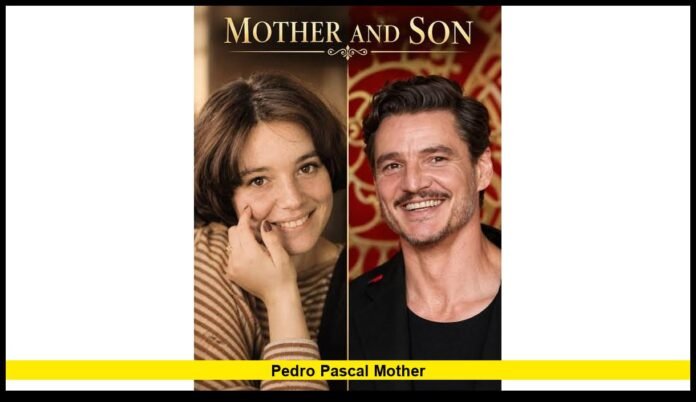

The Pedro Pascal mother story is closely connected to the actor’s childhood, family history, and the personal experiences that shaped his life. His mother, Verónica Pascal Ureta, was a Chilean child psychologist who supported her children while navigating major changes in the family’s life. Pedro Pascal has continued to remember her with affection, and her influence remains an important part of his personal story.
Today, Pascal is recognized internationally for his work in television and film. His performances in The Last of Us, The Mandalorian, and other major productions have made him one of the most popular actors of his generation. Yet behind his success is a family story shaped by immigration, perseverance, parental support, and loss.
Verónica Pascal Ureta encouraged her son’s interests when he was young and helped him explore his artistic ambitions. Pascal has also spoken about how deeply her death affected him and how he continues to feel connected to her through memories, family relationships, and his professional identity.
Who Was Verónica Pascal Ureta?
Pedro Pascal’s mother was María Verónica Pascal Ureta, a Chilean woman who worked as a child psychologist. She was married to José Balmaceda Riera and raised four children: Javiera, Pedro, Nicolás, and Lux.
Verónica played a significant role in the family’s life during a period of major change. The family left Chile during the political turmoil associated with the dictatorship of Augusto Pinochet and eventually settled in the United States.
Her life included the challenges of adjusting to a new country, raising children, and pursuing her own education. She continued studying while the family lived in the United States, demonstrating a commitment to personal development despite the circumstances surrounding their relocation.
Pascal has remembered his mother as a supportive and loving person. His public reflections often focus on her personality, encouragement, and the relationship they shared rather than only on the circumstances of her death.
Her Profession and Educational Background
Verónica Pascal Ureta worked in child psychology. Her professional field involved understanding children’s development, emotional needs, and behavioral experiences.
The family spent time in San Antonio, Texas, where Verónica pursued education at Trinity University. Her educational journey was part of her effort to continue developing professionally while raising her children.
Balancing education and family responsibilities was a major undertaking. The family had already experienced the disruption of leaving Chile, and settling into a new environment required adjustment.
Her background in psychology may have contributed to the supportive atmosphere Pascal has described. However, his memories emphasize her personal encouragement and understanding rather than presenting her only through her professional background.
She helped her children navigate their interests and ambitions. For Pedro, that support became especially meaningful as he developed an interest in acting and theater.
Pedro Pascal’s Early Years and His Mother’s Encouragement
Pedro Pascal was born in Santiago, Chile, in 1975. His childhood was influenced by his family’s experiences in Chile and their eventual move to the United States.
After leaving Chile, the family lived in different places before establishing themselves in the United States. Pascal spent part of his childhood in Texas and California, where he developed an interest in movies, television, and performance.
His mother encouraged his creative interests. Rather than discouraging his acting ambitions, she helped him explore opportunities that allowed him to experience theater and develop his artistic curiosity.
Pascal has recalled the importance of seeing theatrical productions during his younger years. Experiences involving stage performances helped him recognize the emotional power of acting and storytelling.
His mother’s encouragement gave him the freedom to take those interests seriously. The support he received during childhood became meaningful as he eventually pursued acting professionally.
Pascal later attended New York University’s Tisch School of the Arts, where he studied acting. His professional journey was not immediately successful, and he spent many years working through auditions and smaller roles.
The support he received from his family remained an important part of his life during those difficult early career years.
Why Pedro Pascal Chose His Mother’s Surname
Pedro Pascal’s professional identity is closely connected to his mother. His birth name is José Pedro Balmaceda Pascal, but audiences know him as Pedro Pascal.
He chose to use Pascal, his mother’s surname, professionally. The decision helped establish a recognizable name in the entertainment industry while maintaining a meaningful connection to his family.
His mother’s surname became part of his identity as he developed his acting career. As his popularity grew, the name Pedro Pascal became familiar to audiences around the world.
The connection is particularly meaningful because Verónica was an important source of encouragement during his childhood. Using her surname allows him to carry a piece of her identity into his professional life.
The name has become associated with his major television and film roles, including his work in The Mandalorian, The Last of Us, and other productions.
For people searching for Pedro Pascal’s mother, his surname provides one of the clearest connections between the actor’s public identity and his family history.
When Did Pedro Pascal’s Mother Pass Away?
Verónica Pascal Ureta died in 2000. Pedro Pascal was 24 years old when he lost his mother.
At the time, he was still working to establish himself as an actor. His career had not yet reached the level of recognition that would later make him internationally famous.
Her death was a deeply personal loss for Pascal and his family. He has spoken about the emotional impact of losing her and the difficult period that followed.
Pascal returned to Chile after her death. The loss also affected his siblings, and he has described feeling protective of them as the family navigated life without their mother.
Although he has experienced enormous professional success since then, Pascal has continued to acknowledge the importance of Verónica in his life.
His memories of her include affection, humor, encouragement, and the feeling that she understood him as a person. These recollections have helped fans see the emotional significance of their relationship.
How Losing His Mother Changed His Life
The death of Verónica Pascal Ureta occurred during an important stage in Pedro Pascal’s life. He was a young adult who was trying to build a career while also dealing with a major personal loss.
The experience affected his family relationships. Pascal has discussed the responsibility he felt toward his younger siblings and the desire to be present for them after their mother died.
He understood that he could not replace their mother, but he wanted them to know that they had someone they could depend on.
The experience helped reinforce the importance of family in his life. Pascal has continued to maintain close relationships with his siblings, and he has spoken affectionately about them in interviews and public appearances.
Grief has remained a subject Pascal discusses openly. His comments suggest that losing his mother was not something he simply forgot with time. Instead, her memory remains part of his life as he experiences new opportunities and milestones.
His willingness to speak about grief has resonated with many fans who have experienced the loss of a parent.
What Pedro Pascal Has Shared About His Mother’s Death
Verónica Pascal Ureta died when Pedro was 24 years old. Her death was a devastating experience that affected him personally and professionally.
Pascal has spoken publicly about the circumstances of her death in interviews. He has also explained that the loss was difficult for his family and that he continues to carry memories of her with him.
The actor has described his mother as a complicated person with a strong personality. He has acknowledged that remembering her can bring both affection and pain, particularly because the circumstances surrounding her death made it difficult for the family to process the loss.
Pascal has also explained that his mother’s memory is connected to his achievements. He believes her support and encouragement played an important role in the opportunities he eventually received.
His reflections are particularly meaningful because his mother died before she could witness his international success. Pascal became famous years later, after spending a long period working in television and theater.
The Emotional Connection Between Pedro Pascal and His Mother
Pedro Pascal has repeatedly described his mother as a person who believed in him. Her encouragement was particularly important during his younger years, when he was developing an interest in acting and the arts.
In interviews, he has expressed gratitude for the way she supported his sensitivity and creative interests. He has described feeling understood by her and has acknowledged that her encouragement helped him believe in his own potential.
Pascal has also said that he continues to feel connected to his mother. In a recent interview, he explained that he sometimes feels as though she is still watching over him.
That emotional connection remains significant as he experiences professional achievements that she never had the opportunity to witness.
His comments reveal that grief can remain part of a person’s life long after a loss. Pascal has not described himself as having completely moved on from his mother’s death. Instead, he continues to remember her while building his life and career.
Pedro Pascal’s 2023 Saturday Night Live Appearance and His Mother
Pedro Pascal hosted Saturday Night Live in February 2023, marking an important moment in his career. The appearance was particularly meaningful because it coincided with the anniversary of his mother’s death.
During the episode, Pascal discussed his family’s journey from Chile to the United States. He expressed appreciation for his parents and the courage they demonstrated when they left their home country.
The experience became emotional for him because of the timing. Pascal later described feeling as though his mother was with him during the evening.
The show helped transform a difficult anniversary into a memorable experience. Rather than focusing only on the sadness of losing his mother, Pascal was able to celebrate his professional achievement and reflect on the support she had given him.
The evening also featured Coldplay, whose performance of “Fix You” became another emotional moment connected to Pascal and his family.
For Pascal, the appearance represented more than a television milestone. It was an opportunity to honor his mother while celebrating a career achievement that had taken years to reach.
Pedro Pascal’s Mother and Their Family’s Immigration Story
Verónica Pascal Ureta’s life was closely connected to the family’s experience of leaving Chile. Pedro Pascal was only nine months old when his parents fled the country during the dictatorship of Augusto Pinochet.
The family sought safety outside Chile and spent time in Denmark before moving to the United States. They eventually settled in San Antonio, Texas, in the early 1980s.
Verónica was a young mother during this period. She had to adapt to a new country while raising her children and continuing her education.
Her experiences as a political refugee became an important part of the family’s history. Pascal has spoken with pride about his parents’ courage and the sacrifices they made to provide a safer environment for their children.
Their years in San Antonio were particularly important to Pascal’s childhood. The city became one of the places where he developed his interests in movies, entertainment, and acting.
His mother’s education also connected the family to the local community. While raising her children, she pursued graduate-level psychology studies at Trinity University.
The family’s immigration story remains an important part of Pascal’s identity. Although he became a major Hollywood actor, he has continued to acknowledge his Chilean roots and the experiences that shaped his childhood.
How Verónica Pascal Ureta Supported Pedro’s Artistic Interests
Pascal’s mother supported his interest in movies and the arts from an early age. His childhood experiences included watching films, attending theater productions, and discovering the emotional power of storytelling.
During the family’s time in San Antonio, his mother was balancing her studies and parenting. Pascal has recalled childhood experiences that helped develop his love for cinema.
He has described being fascinated by films and the way stories could affect people emotionally. His early experiences watching movies became part of the foundation for his acting ambitions.
His mother encouraged his interests and helped him explore opportunities. She did not pressure him to pursue fame or become a professional performer. Instead, she supported his creative development.
Pascal has remembered that encouragement as an important part of his childhood. It helped him develop confidence and recognize that acting was something he wanted to pursue seriously.
Eventually, he studied acting at New York University. Although his professional career took many years to develop, his early interest in performance remained central to his life.
Pedro Pascal’s Mother and His Siblings
Verónica Pascal Ureta was the mother of four children:
- Javiera Balmaceda Pascal
- Pedro Pascal
- Nicolás Balmaceda Pascal
- Lux Pascal
Pedro has maintained close relationships with his siblings. Family remains an important part of his personal life, and he has often expressed affection and admiration for them.
His older sister, Javiera, has pursued a career in the entertainment industry behind the scenes. His younger siblings, Nicolás and Lux, have followed their own professional paths.
The siblings have shared family moments publicly on occasions, including celebrations and tributes to their mother.
Their relationship became particularly important after Verónica’s death. Pascal has described feeling protective of his younger siblings and wanting to support them during the difficult period that followed.
Although the family members have different careers and interests, their shared history continues to connect them.
Pedro Pascal’s Relationship With His Mother’s Memory
Pascal has kept his mother’s memory alive through interviews, family photographs, personal reflections, and the name he uses professionally.
He does not speak about Verónica only in connection with her death. His memories also include her personality, humor, encouragement, and the experiences they shared as a family.
This distinction is important because Pascal has acknowledged that the circumstances surrounding her death sometimes make it difficult to remember her without experiencing sadness.
He has nevertheless continued to share positive memories of her. His comments show that he wants people to understand the person she was and the influence she had on his life.
Her memory also appears connected to his professional achievements. Pascal has said that he does not believe his success would have happened in the same way without her support.
The actor’s relationship with his mother’s memory demonstrates how family influence can continue long after someone has died.
Pedro Pascal’s Mother in Recent Interviews and Public Reflections
Pedro Pascal’s discussions about his mother have continued to attract attention in recent years. In a 2025 interview, he reflected on his grief, his childhood, and the continuing influence of Verónica on his life.
He described feeling as though his mother continues to watch over him. Pascal explained that her support played a major role in the person he became and that he still feels connected to her in meaningful ways.
The interview also offered additional details about his childhood in San Antonio. Pascal recalled experiences involving movies and his mother’s studies, helping audiences understand the environment in which his artistic interests developed.
He spoke about the complicated emotions surrounding her death and the difficulty of separating memories of her life from the tragedy of her passing.
His comments received considerable attention because Pascal rarely discusses his family history in such emotional detail. Fans appreciated his willingness to share personal memories while maintaining respect for his family’s privacy.
More recently, renewed attention to Pascal’s Chilean and San Antonio roots has continued to highlight his mother’s role in the family’s history. Her education, immigration experience, and influence on his childhood remain central to understanding his background.
Verónica Pascal Ureta’s Connection to San Antonio, Texas
San Antonio played an important role in Pedro Pascal’s childhood and his mother’s educational journey.
The family lived in the city after moving to the United States. During those years, Verónica pursued psychology studies while raising her children.
Pascal has spoken affectionately about his childhood experiences in San Antonio. His memories include movie theaters, local experiences, and the time he spent growing up in Texas.
His mother’s academic pursuits were an important part of the family’s life during this period. She continued her education while managing the responsibilities of raising children in a new country.
San Antonio became one of the places associated with Pascal’s early development. The city helped shape his childhood experiences before the family later moved to California.
The connection remains relevant because Pascal has continued to acknowledge the places and experiences that shaped his identity.
Why Pedro Pascal’s Mother Remains a Popular Search Topic
Fans frequently search for information about Pedro Pascal’s mother because they want to understand the personal history behind his success.
His career has brought him international attention, but his interviews often reveal a strong connection to his family and childhood experiences.
Several factors contribute to continued interest in Verónica Pascal Ureta:
- Her influence on his acting ambitions: She supported his interests in movies, theater, and the arts.
- His professional surname: Pascal uses his mother’s surname as part of his public identity.
- His family’s immigration history: Their experiences leaving Chile shaped his childhood.
- Her death: Pascal has spoken openly about the emotional impact of losing her.
- His continued tributes: He regularly remembers her through interviews and personal reflections.
- His family relationships: His connection with his siblings remains an important part of his life.
These details provide a fuller picture of Pascal beyond his television and movie performances. They show the importance of family support, personal history, and the people who influence an individual before they become successful.
The Lasting Legacy of Pedro Pascal’s Mother
Verónica Pascal Ureta remains an important influence in Pedro Pascal’s life. She supported his creative interests, encouraged his ambitions, pursued her own education, and helped raise her children during a period of major change.
Her influence did not disappear after her death. Pascal continues to remember her through his interviews, personal tributes, family connections, and professional identity.
He has described feeling her presence in his life even years after losing her. His reflections suggest that the support he received from his mother remains meaningful as he experiences new opportunities and achievements.
Although Verónica did not live to see her son become an internationally recognized actor, Pascal continues to credit her influence for helping shape his journey.
Her story is also connected to a larger family history involving Chile, immigration, education, and perseverance. Those experiences helped form the background of the actor audiences know today.
Pedro Pascal’s mother was more than a part of his childhood—she was a source of encouragement, inspiration, and lasting emotional connection. Her influence continues to be reflected in his life, his career, and the way he honors his family.