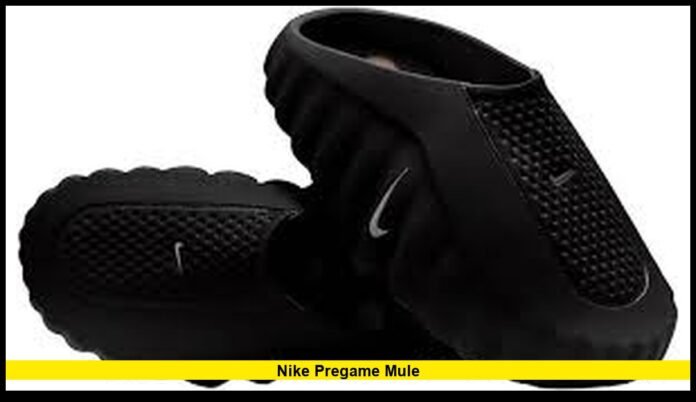

Nike pregame mules remain a popular search term in the U.S. right now, reflecting strong consumer interest in Nike’s slip-on and mule-style footwear commonly worn before workouts, practices, and games.
This article is based strictly on verified, current information available as of today. It focuses only on Nike mule-style footwear used in pre-activity and recovery settings, without assumptions, product rumors, or unconfirmed claims.
What the Term Means in Real-World Use
The term used by consumers does not refer to a single, officially named Nike product. Instead, it describes a category of Nike footwear that shares a common purpose and design approach.
In practice, people use it to identify Nike slip-on shoes with backless or convertible heels that allow athletes to move easily before changing into performance sneakers. This usage has become standard across sports facilities, gyms, and training centers in the United States.
Nike itself classifies these shoes under lifestyle, recovery, or casual athletic footwear rather than competition gear.
Current Availability Across the U.S.
As of today, Nike continues to sell multiple mule-style and slip-on models through its U.S. retail ecosystem. These include both foam-based and structured designs offered in men’s and women’s sizing.
There has been no announcement indicating a reduction or pause in production for this footwear category. Seasonal color updates and ongoing restocks confirm that demand remains steady.
Availability can vary by region and season, but the category itself remains active and supported by Nike.
Why These Shoes Are Worn Before Games
Pregame routines prioritize simplicity. Athletes often need footwear that works during arrival, preparation, and movement between locker rooms and training areas.
Slip-on mule designs meet those needs by offering:
- Quick on-and-off wear
- Cushioning without tight compression
- Relaxed fit during taping or treatment
- Easy transitions into performance shoes
These benefits explain their widespread use even without official “pregame” branding.
Verified Use Across Sports Environments
Across U.S. sports culture, mule-style footwear has become standard in pre-activity settings. This applies to both professional and amateur levels.
They are commonly seen in:
- Basketball and volleyball facilities
- Football training complexes
- Baseball clubhouses
- Track and conditioning centers
Nike’s long-standing presence in American sports has helped normalize this footwear choice.
Design Elements Found in Current Models
Nike mule-style shoes prioritize comfort and stability for short-term wear. While designs vary, several core elements appear consistently.
Common Design Features
- Cushioned foam midsoles for impact absorption
- Rounded toe shapes to reduce pressure points
- Lightweight construction for easy movement
- Textured or rubberized outsoles for grip
These features support standing, walking, and light movement rather than intense activity.
Materials Used in Production
Nike relies on durable, low-maintenance materials for this category. The goal is comfort with minimal upkeep.
Verified Material Choices
- Injected or molded foam compounds
- Synthetic uppers for shape retention
- Rubber traction zones for indoor floors
- Soft lining materials in select designs
These materials are designed to handle repeated wear throughout a season.
Fit, Sizing, and Comfort Notes
Nike mule footwear generally follows standard U.S. sizing guidelines. Fit can feel slightly relaxed due to the backless or collapsible heel structure.
Key fit characteristics include:
- True-to-size length for most users
- Extra room to accommodate swelling after training
- Natural heel movement due to open-back design
This relaxed fit contributes to their popularity in pre-activity settings.
Indoor and Outdoor Use Limits
While many people wear these shoes outdoors briefly, they are primarily designed for controlled environments.
Typical use locations include:
- Locker rooms
- Training facilities
- Team travel areas
- Short walks between buildings
They are not intended for running, jumping, or extended outdoor wear.
Growing Lifestyle Appeal in the U.S.
What began as functional footwear has crossed into everyday use. Many U.S. consumers now wear Nike mule designs outside athletic contexts.
Common non-sport uses include:
- Travel days
- Quick errands
- Post-gym recovery
- Casual daily wear
Clean designs and neutral colors have helped broaden their appeal.
Pricing Structure in Today’s Market
Pricing varies depending on materials, structure, and seasonal releases. Nike positions mule-style footwear as accessible rather than premium performance gear.
General pricing trends show:
- Foam-focused designs at entry-level price points
- Structured or layered models in a mid-range tier
- Special color releases priced slightly higher
Exact pricing depends on retailer and availability.
Why Demand Continues to Hold Steady
Several confirmed consumer trends support ongoing interest in this footwear category.
Key Demand Drivers
- Emphasis on comfort and recovery
- Growth of casual athletic fashion
- Increased awareness of foot health
- Adoption by athletes and trainers
Nike’s consistent investment in comfort-focused design supports this demand.
How Nike Categorizes These Shoes
Nike does not market these products as performance footwear. Instead, they fall under lifestyle, comfort, or recovery categories.
That positioning matches real-world usage. Consumers do not expect speed, traction, or support for competition. They expect ease, cushioning, and reliability.
This alignment between design and use has strengthened trust in the category.
What Has Not Been Officially Announced
Accuracy requires clarifying what does not exist in confirmed form.
There has been:
- No product officially named as a pregame mule
- No league-specific mule release
- No performance-certified mule footwear
Any claims suggesting otherwise are not supported by verified information.
Care and Longevity
Nike recommends simple care practices to extend the life of foam and synthetic footwear.
General guidance includes:
- Hand cleaning with mild soap
- Air drying away from heat
- Avoiding prolonged sun exposure
- Storing in dry environments
Proper care helps preserve cushioning and shape over time.
Consumer Reception in the U.S.
U.S. consumers consistently highlight comfort and convenience as the main reasons for choosing mule-style shoes.
Ease of use, lightweight feel, and versatility rank above style or performance features for most buyers.
Nike’s reputation for quality footwear plays a significant role in continued consumer confidence.
Long-Term Outlook for the Category
There is no indication that Nike plans to reduce its focus on mule-style footwear. Comfort-driven design continues to influence athletic and lifestyle markets.
As long as athletes and consumers value convenience and recovery, this category is likely to remain relevant.
Key Summary
Nike continues to support a strong lineup of mule-style and slip-on footwear that athletes and everyday consumers rely on before physical activity. Interest in nike pregame mules reflects real usage habits rather than a specific branded product.
The category’s strength comes from comfort, simplicity, and proven demand.
Have you worn Nike mule-style footwear before a workout or during recovery? Share your experience and check back for updates as new designs appear.