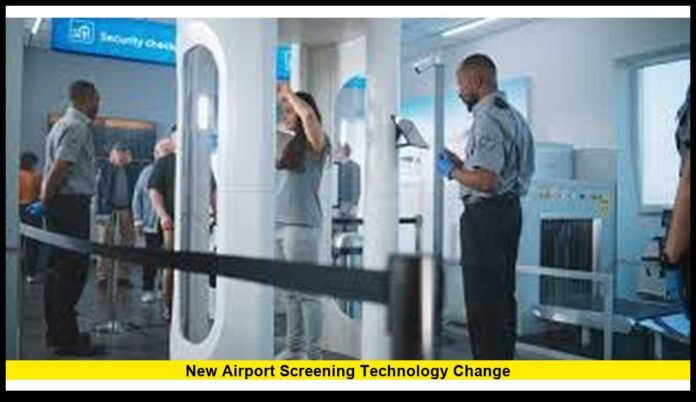

Air travel across the United States is undergoing a major transformation as new airport screening technology changes continue to roll out at airports nationwide. Security checkpoints that once relied heavily on manual inspections and traditional X-ray equipment are increasingly using advanced imaging systems, automated identity verification tools, biometric screening, and smarter security lanes designed to improve both efficiency and safety.
For millions of passengers, these upgrades are already changing what happens from the moment they enter a security checkpoint. Travelers are encountering faster document checks, more sophisticated baggage scanners, and screening procedures that require less handling of personal items. Airport operators and federal aviation authorities have spent the past several years investing heavily in modernization projects aimed at preparing for growing passenger volumes while maintaining strong security standards.
As travel demand remains high throughout 2026, understanding these changes can help passengers move through airports more confidently and avoid unnecessary delays.
The Biggest Airport Security Upgrade in Years
Security screening has evolved significantly since the early days of modern aviation security. Traditional screening methods focused largely on manual inspections, standard X-ray imaging, and document checks performed entirely by security officers.
Today’s systems combine advanced hardware with powerful software to create a more efficient process. Modern security equipment can analyze baggage contents in greater detail, assist officers in identifying potential threats more accurately, and process travelers at a faster pace than older systems.
The goal is not simply to speed up security lines. Authorities are also focused on improving threat detection capabilities while reducing congestion during busy travel periods.
Many airports now view technology as the key to balancing security requirements with passenger convenience.
CT Scanners Continue Expanding Across Major Airports
One of the most visible changes travelers are noticing involves the widespread installation of Computed Tomography scanners, commonly known as CT scanners.
Unlike traditional carry-on screening machines that generate flat images, CT scanners create highly detailed three-dimensional images of bag contents. Security officers can rotate these images and inspect items from multiple angles, allowing for a much more thorough examination.
This enhanced visibility offers several benefits.
First, it helps officers identify prohibited or suspicious items more accurately. Second, it reduces the need for manual bag inspections in many cases. Third, it can streamline the screening process by allowing certain items to remain inside carry-on bags.
At many airports using CT technology, travelers no longer need to remove laptops and some electronic devices from their luggage during screening. This change alone can save valuable time during busy travel periods and reduce bottlenecks at checkpoints.
The continued expansion of these systems represents one of the most significant investments in aviation security infrastructure in recent years.
Facial Recognition Technology Becomes More Common
Another major development is the growing use of facial recognition systems.
Many airports now use facial comparison technology to verify traveler identities at specific checkpoints. These systems compare a live image of a passenger with identification information associated with travel documents.
The process typically takes only a few seconds.
Supporters say the technology improves accuracy while helping move passengers through checkpoints more efficiently. It can also reduce the need for repeated document handling and create a smoother travel experience.
Facial recognition technology is appearing in both domestic and international travel operations, including security checkpoints, boarding gates, and customs processing areas.
While adoption continues to grow, travelers often retain the option to use traditional identity verification methods where available.
Automated Security Lanes Increase Efficiency
Automated security lanes are becoming another important part of airport modernization efforts.
Traditional security lines often slow down when travelers place belongings into bins at different speeds. Automated lanes help solve this problem by allowing multiple passengers to prepare their items simultaneously.
Motorized conveyor systems move bins automatically through various stages of the screening process. Empty bins are returned to the front of the line without requiring manual handling.
This design improves checkpoint flow and reduces wait times, especially during peak travel periods.
Several major airports have reported improved passenger throughput after introducing automated lane systems, making them an increasingly attractive option for airport operators looking to handle larger numbers of travelers.
Digital Identity Verification Changes the Check-In Experience
Identity verification is no longer limited to a quick glance at a driver’s license.
Modern digital verification systems use advanced technology to confirm traveler identities more efficiently. These systems can compare identification information, boarding passes, and traveler records within seconds.
At many airports, travelers now encounter dedicated identity verification stations before proceeding to baggage screening.
The technology is designed to strengthen security while reducing delays caused by manual document reviews.
As digital verification tools become more sophisticated, airports are expected to integrate them into additional stages of the travel process.
Why Airports Are Investing in New Technologies
Several factors are driving the rapid adoption of modern screening systems.
Rising Passenger Numbers
Air travel demand remains strong across the United States. More passengers mean greater pressure on airport infrastructure and security operations.
Without modernization efforts, many airports would struggle to maintain efficient passenger flow during busy periods.
Enhanced Security Requirements
Security agencies continually assess emerging threats and develop new detection methods.
Advanced screening systems provide more detailed information than older technologies, helping officers identify risks more effectively.
Operational Efficiency
Long security lines can create delays that affect travelers, airlines, and airport operations.
Technology-driven solutions help reduce congestion and improve overall airport performance.
Passenger Expectations
Modern travelers increasingly expect faster and more convenient experiences. Airports recognize that technology can play a major role in improving customer satisfaction.
How Artificial Intelligence Is Supporting Security Operations
Artificial intelligence is becoming an increasingly important tool within airport security environments.
Modern screening systems can use AI-assisted software to analyze images, identify unusual patterns, and highlight items requiring additional review.
The technology does not replace human decision-making. Instead, it provides security officers with additional information that can support faster and more consistent evaluations.
AI tools are particularly valuable when screening large volumes of baggage and passengers during periods of heavy travel demand.
As machine-learning systems continue improving, their role within airport security operations is expected to expand.
New Airport Screening Technology Changes Are Reducing Manual Inspections
One of the most noticeable benefits of new airport screening technology changes is the reduction in manual baggage inspections.
Traditional screening equipment often generated unclear images that required officers to open bags for closer examination. Advanced imaging systems provide greater detail, allowing officers to make more informed decisions without physically inspecting luggage as frequently.
This benefits both passengers and security personnel.
Travelers spend less time waiting for bag inspections, while officers can focus their attention on situations that genuinely require additional scrutiny.
The result is a more efficient checkpoint environment overall.
What Travelers Should Expect Before Their Next Flight
Airport experiences may vary depending on the location and the technology available at specific checkpoints.
Travelers should be prepared for several possible changes:
- Advanced baggage screening systems
- Facial recognition verification
- Automated security lanes
- Touchless identity checks
- Faster electronic document reviews
- Updated screening procedures
Because technology deployment differs from airport to airport, passengers may notice significant differences between facilities.
Arriving early remains important, particularly during major travel periods, even as screening systems become more efficient.
REAL ID Requirements Remain Important
While screening technology continues advancing, identification requirements remain a critical part of airport security.
Passengers flying domestically must carry acceptable identification that complies with current federal standards.
Many automated verification systems are designed to work seamlessly with modern identification formats, helping travelers move through checkpoints more efficiently.
Travelers should ensure their identification documents are valid and readily accessible before arriving at the airport.
Failure to present acceptable identification can still result in delays regardless of the technology being used.
International Airports Are Leading Innovation
Many of the newest screening technologies first appeared at major international airports before expanding to regional facilities.
Large airports often handle higher passenger volumes and have greater resources available for testing new systems.
As these technologies prove successful, additional airports across the country begin adopting similar solutions.
This gradual rollout strategy helps airport operators evaluate performance, identify improvements, and train personnel before expanding implementation.
The approach has accelerated the spread of advanced screening systems throughout the national aviation network.
Security and Convenience No Longer Need to Compete
For years, airport security and passenger convenience were often viewed as competing priorities.
Stricter security measures frequently resulted in longer wait times and more complicated screening procedures.
Today’s technology is helping change that perception.
Advanced imaging, automated processing, and digital verification systems demonstrate that security enhancements can coexist with a smoother passenger experience.
By reducing unnecessary manual processes while improving detection capabilities, airports are finding new ways to strengthen both objectives simultaneously.
Privacy Remains a Key Consideration
As airports adopt more sophisticated technologies, privacy remains an important consideration for travelers.
Officials emphasize that many biometric and facial comparison systems operate under established privacy safeguards and policies.
Passengers are increasingly seeking information about how personal data is collected, used, and stored.
Airport operators and aviation authorities continue working to balance security objectives with privacy protections as technology evolves.
Transparency regarding these systems remains an important part of public acceptance.
What the Future of Airport Screening Could Look Like
The modernization of airport security is far from complete.
Industry experts continue exploring innovations that could further transform the passenger experience over the next decade.
Potential developments include expanded biometric processing, more advanced artificial intelligence systems, improved remote screening capabilities, and additional automation throughout airport terminals.
Future checkpoints may require even less manual interaction while delivering stronger security performance.
Although implementation timelines vary, the direction of the industry is clear: airports are becoming increasingly digital, automated, and technology-driven.
A New Era for Air Travel
Airport security in 2026 looks dramatically different from just a few years ago. Travelers are encountering smarter scanners, automated identity verification, advanced imaging systems, and more efficient checkpoint layouts designed to keep pace with growing demand.
These investments reflect a broader effort to modernize the nation’s aviation infrastructure while maintaining strong security standards. As additional airports adopt these technologies, passengers can expect a more streamlined travel experience without sacrificing safety.
For frequent flyers and occasional vacation travelers alike, understanding these developments can make navigating today’s airports easier and help reduce stress before departure. The evolution of airport security is no longer a future concept—it is already shaping the way Americans travel every day.