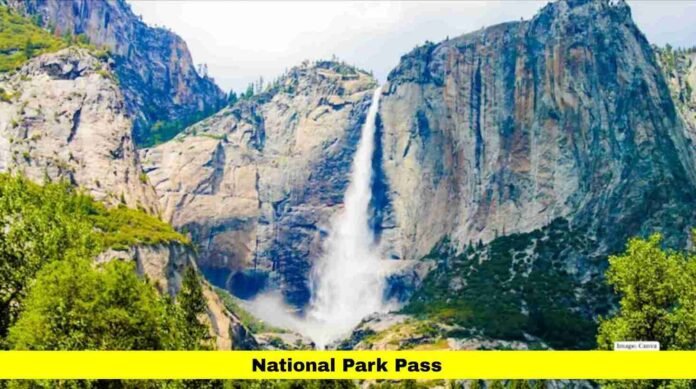

The national park system in the United States is undergoing its most significant set of changes in years, and millions of outdoor lovers are asking one question before planning their 2026 trips: how will a national park pass work, what new rules apply, and what costs should visitors expect? Beginning January 1, 2026, the National Park Service and the Department of the Interior implemented a suite of updates affecting everything from digital entry and fee structures to free entry days for U.S. residents and rules about how passes must be displayed.
These changes are already reshaping travel plans for families, solo adventurers, motorcyclists, and international visitors. They mark a major shift in how the nation’s most iconic landscapes are accessed and paid for, with implications for U.S. taxpayers, foreign tourists, and conservation funding. This article breaks down all the major verified details of the new 2026 national park pass system, how it affects different categories of visitors, and what you need to know before you hit the trails.
A Modernized Pass System With Digital Access
One of the most visible updates for 2026 is the shift toward digital pass access. Park officials have fully rolled out a digital version of the iconic “America the Beautiful” annual pass, allowing visitors to purchase and use their passes on mobile devices through an official recreation portal. Digital passes can be stored in smartphone wallets or accessed through the official app, offering instant validation at entrance stations without waiting for a physical card to arrive. Passholders can also link a physical card to their digital pass if they prefer a tangible backup.
In addition to digital convenience, the park service has redesigned the artwork featured on 2026 pass versions. The updated visuals emphasize the landscapes and heritage that national parks protect, and these images now appear on both digital and physical passes. These updates are intended to modernize the user experience and reduce friction at park entrances, while also reinforcing the cultural and environmental significance of the parks.
Resident-Focused Pricing and What It Means for Visitors
Perhaps the most talked-about change for 2026 is the revision to the pricing structure for national park passes and entrance fees. The Department of the Interior has implemented what it calls a “resident-first” pricing model that maintains affordable access for U.S. residents while imposing higher rates for visitors who do not reside in the United States. Under this model, U.S. residents can continue to purchase the annual “America the Beautiful” pass for $80, which provides full annual access to parks and participating federal recreation sites. Non-U.S. residents seeking an annual pass now pay $250, while non-residents who do not hold an annual pass must pay a separate $100 per person entrance fee to enter the eleven most popular parks, on top of standard vehicle or individual entrance fees.
This “America-first” approach is designed to prioritize affordable access for American taxpayers who already support these public lands, while non-resident visitors contribute at higher levels. The parks affected by the per-person surcharge include well-known destinations such as Yosemite, the Grand Canyon, Yellowstone, Glacier, Zion, Everglades, Bryce Canyon, and others in the top tier of visitation. This differential pricing system represents one of the biggest departures from past practice, when foreign and domestic visitors paid the same rates for national park access.
Adjusted Fee-Free Days for 2026
Another major update for 2026 involves the schedule of fee-free days at national parks. Fee-free days allow visitors to enter parks without paying an entrance fee or needing a pass on select dates throughout the year. The National Park Service confirmed changes to the lineup of fee-free days, which now includes eight occasions when U.S. residents can visit national parks without paying, though non-resident visitors may still need to meet the applicable entrance fees.
For 2026, the fee-free days for U.S. residents include President’s Day on February 16, Memorial Day on May 25, Flag Day and President Trump’s Birthday on June 14, Independence Day Weekend from July 3 to 5, the 110th Birthday of the National Park Service on August 25, Constitution Day on September 17, Theodore Roosevelt’s Birthday on October 27, and Veterans Day on November 11. Some previous fee-free dates, including Martin Luther King Jr. Day and Juneteenth, are no longer in the schedule. The new fee-free structure is specifically reserved for U.S. citizens and residents, marking a departure from prior years when fee-free days applied equally to all visitors.
International Visitors Face New Fee Realities
The updated fee structures have generated particular attention for their effect on international visitors. Anyone who is not a U.S. resident now pays higher costs to enter America’s most sought-after national parks. The non-resident annual pass costs more than three times what U.S. residents pay, and the per-person surcharge at major parks can quickly add up for families or tour groups.
Park staff have reported that the new pricing and the need to verify residency at entrances have led to confusion and longer processing times, particularly at busy parks that see heavy international traffic. Some visitors have opted to cut their trips short or change plans upon learning of the revised costs during entry checks. These fee increases are part of a broader shift intended to raise revenue for park maintenance and preservation while prioritizing accessibility for domestic visitors.
Rules About Pass Integrity and Alterations
With the rollout of the 2026 passes, the National Park Service has clarified rules regarding alterations to physical pass cards. The agency reinforced that any modification to a pass, such as adding stickers or personalizations, can render the pass invalid at entrance gates. Specifically, placing stickers over any part of the pass artwork may be interpreted as defacing or altering the card, and park officials have discretion to determine if a pass has been altered.
Visitors attempting to cover portions of the pass artwork for personal or political reasons have prompted this updated enforcement language to prevent confusion at entry stations and preserve the security features on the card design. The policy ensures that pass elements remain intact and recognizable as issued by the park service.
Controversies and Public Reaction
Not all changes have been embraced by the public. The redesigned artwork on the 2026 annual pass has sparked debate among advocacy groups, who argue that the imagery should reflect national contests celebrating park landscapes. Critics say the updated images do not honor historical park traditions. Additionally, legal challenges have been filed by conservation organizations asserting that changes to the pass design and the process for selecting artwork may not comply with federal requirements, adding complexity to the national conversation about park access.
Public reaction to the pricing changes has also been mixed. Advocates for domestic access praise the affordability for U.S. residents, while many tourism professionals and international travel groups say the higher fees risk deterring international visitors and harming local economies reliant on park tourism.
Digital and Physical Pass Use Explained
For visitors planning travel in 2026, understanding how to use the new passes is critical. You can obtain an America the Beautiful pass digitally and store it on a smartphone for immediate use, or order a physical pass online or pick one up at participating federal recreation sites and visitor centers. Digital passes can also be linked to a mobile wallet for faster scanning at park entrances.
All America the Beautiful passes, whether digital or physical, cover entrance fees and qualifying day-use fees at national parks, national wildlife refuges, and many other federal public lands. Passes allow entry for the pass owner and, in some cases, additional vehicle occupants or accompanying riders on motorcycles. For many travelers, especially those visiting multiple parks in a year, the annual pass remains a cost-effective choice, particularly for U.S. residents who will see no increase in the $80 price.
Motorcycle Access Expanded Under New Policies
The 2026 national park pass also includes expanded motorcycle access. Each annual America the Beautiful pass now covers up to two motorcycles, allowing riders and companions to enter parks without purchasing separate passes for each vehicle. This update acknowledges the growing popularity of motorcycle touring in America’s scenic public lands and ensures riders receive similar benefits to those who enter with passenger vehicles or RVs.
How Passes Work Across Different Federal Lands
The America the Beautiful pass is part of an interagency recreation pass system that includes access to other federal recreation lands, such as national forests, grasslands, wildlife refuges, and Bureau of Land Management sites. A valid annual pass provides entrance and day-use privileges across more than 2,000 federal recreation areas, and children 15 and under typically receive free entry at all sites. This broad coverage makes the national park pass a strategic investment for regular outdoor visitors and families who want year-round access to hiking trails, scenic drives, cultural sites, and natural landmarks.
Read Also :- Yosemite Rock Fissure Triggers Broad Safety Measures in Yosemite National Park
Planning Your 2026 Park Trips
To get the most value from the updated pass system, buy your pass in advance, as digital passes can be purchased and used immediately. Check residency requirements and fees before finalizing travel plans, and schedule visits on resident-only fee-free days if you qualify. Confirm entrance reservation requirements at popular parks and keep digital or physical passes accessible upon arrival at park gates. With thousands of square miles of protected landscapes, national parks remain among America’s most cherished treasures, and understanding the 2026 pass system helps ensure visitors can make the most of their outdoor adventures.
Are you planning a national park trip now that these changes are in effect? Share your itinerary or observations below — we’d love to hear about your park experiences this year.